Area Overview for Sonning Common
Photos of Sonning Common



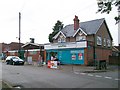







Area Information
Sonning Common is a compact built-up area in England, spanning just 2.3 km², yet it offers a distinct character shaped by its demographics and infrastructure. With a median age of 70, the community here is predominantly older, suggesting a mature, settled population. The area’s home ownership rate of 79% indicates a strong presence of long-term residents, many of whom may have established roots in the surrounding towns. Daily life in Sonning Common is influenced by its proximity to key services, including five retail outlets such as Co-op Sonning and Morrisons Daily, as well as rail links to Henley, Tilehurst, and Reading stations. This connectivity supports both local convenience and regional travel. The area’s schools, including Sonning Common Primary School and Maiden Erlegh Chiltern Edge Academy, provide a range of educational options for families. While the data does not specify the exact composition of households or ethnic diversity, the high home ownership rate and age profile suggest a community prioritising stability and familiarity. Living in Sonning Common means accessing a mix of local amenities and transport links, all within a relatively small geographic footprint.
- Area Type
- Built Up Area 250
- Area Size
- 2.3 km²
- Population
- Not available
- Population Density
- Not available
Living in Sonning Common offers access to a variety of local amenities that support daily life. The area has five retail outlets, including Co-op Sonning, Budgens Caversham, and Morrisons Daily, providing convenience for grocery shopping and other essentials. These stores are within practical reach, reducing the need for long journeys to larger centres. The rail network, with stations at Henley, Tilehurst, and Reading, connects residents to broader opportunities, whether for work, leisure, or socialising. While the data does not specify parks or leisure facilities, the presence of multiple retail and transport options suggests a community focused on practicality and accessibility. The combination of local shops and regional transport links creates a lifestyle that balances self-sufficiency with connectivity. For those prioritising convenience, Sonning Common’s amenities align with a practical, low-maintenance approach to daily living.
Amenities
Schools
Sonning Common is served by a range of educational institutions, including primary and specialist schools. Sonning Common Primary School, rated “good” by Ofsted, provides a foundation for younger children, while Chiltern Edge Community School offers similar primary education. For specialist needs, Bishopswood School caters to students with specific learning requirements. Independent options are available through Highlands School, which may appeal to families seeking private education. Maiden Erlegh Chiltern Edge Academy, also rated “good,” adds to the diversity of secondary education in the area. The mix of state, specialist, and independent schools ensures families have choices based on their priorities. The presence of multiple schools within practical reach of the area suggests that education is a key consideration for residents. However, the data does not indicate school catchment areas or performance metrics beyond Ofsted ratings, so prospective buyers should investigate further to align with their children’s needs.
| Rank | School | Type | Entry gender | Ages |
|---|
Explore more schools in this area
Go to Schools tabDemographics
Sonning Common has a median age of 70, placing it well above the national average, which indicates a community skewed towards older residents. The most common age range is listed as “Age: Total,” suggesting aggregated data rather than specific breakdowns. Home ownership here is robust, with 79% of properties owned outright, a figure that implies a stable, long-term resident base. The data does not specify household types, accommodation styles, or ethnic composition, but the high home ownership rate and age profile suggest a population that is largely retired or nearing retirement. This demographic may influence the local economy, with fewer young families and a focus on services tailored to older adults. The absence of detailed information on diversity or deprivation means the quality of life can only be inferred from available metrics, such as the safety score and connectivity. For prospective buyers, the area’s demographics highlight a mature, low-mobility community with a clear emphasis on established living.
Household Size
Accommodation Type
Tenure
Ethnic Group
Religion
Household Composition
Age
Household Deprivation
NS-SEC
Explore more demographic insights in this area
Go to Demographics tabPlanning
Planning Constraints
- Crime RiskPremium