Area Overview for Sonning
Photos of Sonning


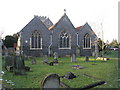




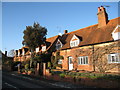


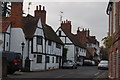
Area Information
Sonning is a compact built-up area in England, spanning just 1.5 km². Its small size creates a tight-knit community feel, with residents often knowing their neighbours. The area’s demographic profile is notable for its median age of 70, suggesting a population skewed towards older adults. This is reflected in the high home ownership rate of 72%, indicating a stable, long-term resident base. Daily life in Sonning blends practicality with accessibility. The proximity to rail stations like Earley and Twyford offers convenient commuting options, while nearby retail spots such as M&S Woodley and Co-op Petrol provide essential services. Despite its modest size, Sonning balances quiet living with connectivity, making it appealing to those seeking a relaxed yet functional environment. The presence of both state and independent schools adds to its appeal for families, though the area’s character is defined more by its mature demographic than youthful energy.
- Area Type
- Built Up Area 250
- Area Size
- 1.5 km²
- Population
- Not available
- Population Density
- Not available
Sonning’s amenities are practical rather than extensive, with five retail outlets nearby, including M&S Woodley and Co-op Petrol. These provide essential shopping and fuel services, though the selection is limited compared to larger towns. The rail stations within reach—Earley, Twyford, and Winnersh Triangle—offer convenient access to broader networks, supporting both commuting and leisure travel. While the data does not mention parks or leisure facilities, the area’s small size suggests that public spaces may be minimal. The focus on retail and rail connectivity indicates a lifestyle prioritising function over luxury, with residents relying on nearby towns for more diverse options.
Amenities
Schools
Sonning is served by Sonning Church of England Primary School, a state-funded institution, and Reading Blue Coat School, an independent establishment. These two schools cater to different educational preferences, offering families a choice between state and private education. The presence of a primary school ensures accessibility for younger children, while the independent school may attract families seeking alternative curricula or facilities. However, the data does not include Ofsted ratings or academic performance metrics, so it is unclear how these institutions compare to others in the region. The mix of school types reflects Sonning’s broader demographic profile, where older residents may have children in local state schools, while others opt for independent options.
| Rank | School | Type | Entry gender | Ages |
|---|
Explore more schools in this area
Go to Schools tabDemographics
Sonning’s population is predominantly older, with a median age of 70. This suggests a community shaped by retirees and long-term residents rather than younger families. The home ownership rate of 72% is notably high, indicating a preference for stable, long-term housing over rental properties. The data does not specify household composition or accommodation types, but the overall figures suggest a homogeneous demographic profile. With no breakdown of ethnic or religious diversity, it is unclear how varied the community’s cultural makeup is. The lack of specific data on deprivation or socioeconomic status means it is difficult to assess whether quality of life is universally high or if certain groups face challenges. However, the high home ownership rate and low crime risk suggest a generally secure, settled environment.