Area Overview for Rye
Photos of Rye
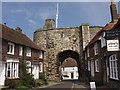
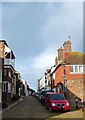




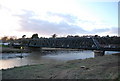



Area Information
Rye is a compact built-up area in England, spanning just 2.2 km², with a population skewed toward older residents, reflected in its median age of 70. This small town offers a quiet, established character, where daily life is shaped by proximity to nearby schools, railway stations, and local shops. The area’s charm lies in its accessibility: three railway stations—Rye, Winchelsea, and Doleham—provide connections to broader networks, while a Co-op store in Winchelsea ensures basic shopping needs are met. Rye’s appeal is rooted in its balance of tranquillity and practicality, making it suitable for those prioritising convenience over urban vibrancy. The presence of multiple schools, including Rye College and Tilling Green Infant School, suggests a focus on family-oriented living, though the area’s demographic profile indicates a community more reflective of mature residents than young families. For those seeking a low-key, well-connected environment, Rye offers a straightforward lifestyle with minimal frills.
- Area Type
- Built Up Area 250
- Area Size
- 2.2 km²
- Population
- Not available
- Population Density
- Not available
Daily life in Rye is defined by its practical amenities, with three railway stations offering easy access to nearby towns and cities. The Co-op in Winchelsea provides essential shopping, though the area lacks larger retail or entertainment options. The absence of named parks or leisure facilities suggests that recreation may be limited to nearby natural spaces or community areas not specified in the data. The area’s character is one of simplicity, where convenience and connectivity outweigh the need for extensive leisure infrastructure. For residents prioritising ease of transport and basic services over vibrant social hubs, Rye offers a straightforward, no-frills lifestyle. The presence of multiple schools also indicates that the community is structured around family needs, though the lack of detailed information on public spaces means the full extent of lifestyle options remains unclear.
Amenities
Schools
Rye is served by several educational institutions, including Tilling Green Infant School and Rye Community Primary School, both of which cater to younger children. Rye College operates as both a primary and academy school, offering a range of educational pathways, while Hill House School specialises in supporting students with specific needs. The presence of a special school alongside mainstream institutions suggests a commitment to inclusive education, though the data does not include Ofsted ratings or performance metrics. Families seeking a variety of school options may find Rye’s offerings adequate, though the absence of detailed academic outcomes means it is difficult to assess the quality of education on offer. The mix of primary, special, and academy schools reflects a practical approach to meeting diverse educational requirements within the community.
| Rank | A + A* % | School | Type | Entry gender | Ages |
|---|---|---|---|---|---|
| 1 | N/A | Tilling Green Infant School | primary | N/A | N/A |
| 2 | N/A | Rye College | primary | N/A | N/A |
| 3 | N/A | Hill House School | special | N/A | N/A |
| 4 | N/A | Rye Community Primary School | primary | N/A | N/A |
| 5 | N/A | Rye College | academy | N/A | N/A |
Explore more schools in this area
Go to Schools tabDemographics
Rye’s population has a median age of 70, indicating a community predominantly composed of older adults. The most common age range is listed as “Total,” which likely reflects aggregated data rather than a specific cohort. Home ownership in the area stands at 66%, suggesting a stable housing market where a majority of residents own their homes. However, the data does not specify household composition, accommodation types, or ethnic diversity, so these aspects remain unclear. The lack of detailed figures on deprivation or socioeconomic breakdown means it is difficult to assess how these factors influence quality of life. What is clear is that Rye’s demographic profile is not typical of a young, growing town but rather one where older residents form the core of the population. This may impact local services and amenities, which seem tailored to the needs of an established, mature community.
Household Size
Accommodation Type
Tenure
Ethnic Group
Religion
Household Composition
Age
Household Deprivation
NS-SEC
Explore more demographic insights in this area
Go to Demographics tabPlanning
Planning Constraints
- Crime RiskLocked