Area Overview for RG2 7QD
Photos of RG2 7QD

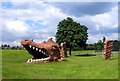
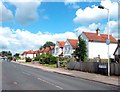
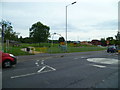
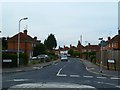
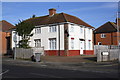
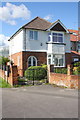
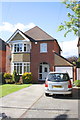
Area Information
RG2 7QD is a compact residential postcode area in England, covering just 3,562 square metres and home to 1,585 residents. Its high population density—445,026 people per square kilometre—suggests a closely knit community, though the area’s small size means it is more of a cluster than a sprawling suburb. The postcode is notable for its proximity to retail hubs and rail networks, with major supermarkets like Tesco Reading and Morrisons Whitley within reach. Daily life here is shaped by its position as a residential node near larger urban centres, offering a balance of convenience and quiet living. The area’s median age of 47 and a population skewed toward adults aged 30–64 indicate a stable, established community. While it lacks major landmarks or natural features, its accessibility to transport and amenities makes it appealing for those seeking a practical, connected lifestyle without the bustle of a city centre.
- Area Type
- Postcode
- Area Size
- 3562 m²
- Population
- 1585
- Population Density
- 4419 people/km²
RG2 7QD’s property market is characterised by a 37% home ownership rate, indicating that most residents are renters rather than homeowners. The accommodation type is predominantly houses, which is unusual for a small postcode area and may suggest a mix of older, larger properties. This contrasts with the UK’s broader trend of increasing flat ownership in urban zones. The low home ownership rate could reflect the area’s status as a secondary residential market, possibly attracting commuters or those seeking affordable housing near transport links. However, the limited size of the area means the housing stock is constrained, and buyers should consider proximity to larger towns for more options. The presence of nearby retail and rail networks may enhance the area’s appeal for those prioritising convenience over property size.
House Prices in RG2 7QD
Showing 10 properties
| Address | Type | Beds | Baths | Last Sale Price | Last Sale Date | |
|---|---|---|---|---|---|---|
| 287 Northumberland Avenue, Reading, RG2 7QD | house | 3 | 1 | £365,000 | Nov 2024 | |
| 277 Northumberland Avenue, Reading, RG2 7QD | Semi-detached | 3 | 1 | £410,000 | Dec 2022 | |
| 275 Northumberland Avenue, Reading, RG2 7QD | Semi-detached | - | - | - | - | |
| 285 Northumberland Avenue, Reading, RG2 7QD | Terraced | - | - | - | - | |
| 271 Northumberland Avenue, Reading, RG2 7QD | Semi-detached | - | - | - | - | |
| 269 Northumberland Avenue, Reading, RG2 7QD | Semi-detached | - | - | - | - | |
| 283 Northumberland Avenue, Reading, RG2 7QD | Terraced | - | - | - | - | |
| 273 Northumberland Avenue, Reading, RG2 7QD | house | - | - | - | - | |
| 281 Northumberland Avenue, Reading, RG2 7QD | Terraced | - | - | - | - | |
| 279 Northumberland Avenue, Reading, RG2 7QD | house | - | - | - | - |
Energy Efficiency in RG2 7QD
RG2 7QD offers a mix of retail and transport amenities within practical reach. Five retail outlets, including Aldi Whitley and Tesco Reading, provide everyday shopping convenience, while five rail stations—such as Reading West Railway Station—ensure easy access to urban centres. The area’s small size means amenities are tightly clustered, though the absence of parks or leisure facilities is notable. For residents, this translates to a lifestyle focused on practicality, with shopping and commuting prioritised over recreational spaces. The presence of major supermarkets and rail links supports a convenience-driven daily routine, though those seeking more expansive leisure options may need to look beyond the immediate area.
Amenities
Schools
The only school explicitly listed near RG2 7QD is Blagdon Nursery School, which provides early education for young children. No primary or secondary schools are mentioned in the data, which limits the area’s appeal for families requiring comprehensive schooling. The absence of higher-tier educational institutions suggests that residents may need to travel to nearby towns for school placements, a factor to consider for parents. The nursery’s presence is a practical asset for families with toddlers, but the lack of broader educational infrastructure may pose challenges for those seeking a self-contained, school-centric lifestyle.
| Rank | School | Type | Entry gender | Ages |
|---|
Explore more schools in this area
Go to Schools tabDemographics
The population of RG2 7QD is predominantly adults aged 30–64, with a median age of 47. This suggests a mature, settled community with limited presence of younger families or retirees. Home ownership stands at 37%, meaning the majority of residents are likely renters, which may reflect the area’s role as a secondary residential zone rather than a primary family home market. The accommodation type is primarily houses, not flats, which aligns with the higher proportion of owner-occupied properties in the UK’s rural and semi-urban areas. The predominant ethnic group is White, though no specific data on diversity or deprivation is provided. The high population density—over 445,000 people per square kilometre—raises questions about housing quality and overcrowding, though this is not quantified in the data.
Household Size
Accommodation Type
Tenure
Ethnic Group
Religion
Household Composition
Age
Household Deprivation
NS-SEC
Explore more demographic insights in this area
Go to Demographics tabPlanning
Planning Constraints
- Flood RiskPremium
- Ramsar Wetland SitesPremium
- Area of Outstanding Natural BeautyPremium
- Protected Nature ReservePremium
- Protected WoodlandPremium