Area Overview for Ratley and Upton
Photos of Ratley and Upton
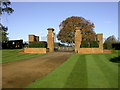
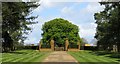
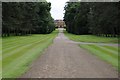
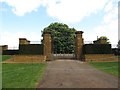
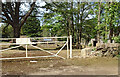
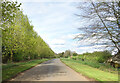
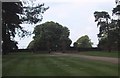
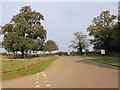

Area Information
Ratley and Upton operates as a civil parish covering an area of 7.0 km², offering a defined residential space for those seeking a rural or semi-rural setting in England. This parish represents a contained community where daily life revolved around local infrastructure and immediate surroundings rather than bustling city centres. You will find that the scale of the parish encourages a slower pace, making it a practical choice for residents who prioritise space over urban density. The layout supports a self-contained lifestyle where the physical boundaries are clear, helping you understand exactly what you are purchasing when looking at homes in this specific location. The size allows for a sense of privacy while remaining close enough to neighbouring settlements for essential trips. Living in Ratley and Upton means accepting a slower rhythm in exchange for a better connection to the wider countryside, which forms the backdrop for most properties in the parish. The distinct identity of this civil parish ensures that developments feel integrated into the existing landscape rather than overwhelming it. You move here to join a defined community with clear geographical limits, providing certainty about your daily commute and local amenities. The parish status also contributes to local governance structures that manage the parish council's responsibilities over these specific grounds. ### The community in Ratley and Upton is characterised by a significant shift towards an older population. You should note that the median age stands at 70 years, indicating a demographic profile skewed heavily towards retirees and senior citizens. As the most common age bracket aligns with the total population figures, you are entering an area where older adults dominate the social fabric. Approximately 69% of residents own their homes outright or through mortgage, reflecting a traditional pattern of settlement common in established villages. This high home ownership rate suggests stable, long-term residents rather than a transient rental market. The data indicates that the household composition covers the total population, meaning average family sizes may vary but generally reflect the needs of these age groups. While no specific ethnic group is highlighted in the provided statistics, the area reflects the broader trends of the region it inhabits. You are looking at a neighbourhood where life expectations often differ from city dwellers, as people plan their retirement years within this specific parish. The demographic reality here requires you to understand that your neighbours will likely be peers when you retire, creating a captive audience of similar aspirations. The 69% ownership figure also implies that potential buyers face competition from locals who already have a vested interest in maintaining property values. Understanding the age profile is vital if you are considering raising young children or seeking the vibrancy of a young family community. ### The property market in Ratley and Upton is defined by a dominant culture of home ownership, with 69% of households classified as owner-occupied. This statistic tells you that the vast majority of stock consists of owner-managed properties rather than a dynamic rental sector filled with landlords and tenants. The accommodation type data confirms that the total housing stock is primarily suited for those intending to settle permanently rather than those seeking short-term lets. This environment often leads to higher stability in the neighbourhood, as owners have a financial incentive to maintain their properties and keep local rates paid. When you view homes in Ratley and Upton, you are likely looking at solid, established structures that have weathered decades of changing markets. The high proportion of owner-occupiers suggests that the local infrastructure is built around permanent residents rather than commuters who move frequently to suit employment cycles. However, this market dynamic can also present challenges for individual investors seeking to buy and rent out properties, as you may compete directly with locals who value their current holdings. The lack of a large private rental sector means that buying here is largely an investment in your own future rather than a speculative venture. If you are purchasing, you will find that your neighbours are invested in the long-term upkeep of the streets and local amenities. ### Digital connectivity in Ratley and Upton provides a reliable backbone for modern living, ensuring you can work from home or stream content without frequent interruptions. The fixed broadband quality scores highly at 91 out of 100, meaning you can expect excellent speeds for video conferencing, large file transfers, and entertainment applications. Concurrently, the mobile network quality score of 83 out of 100 indicates good coverage across the parish, giving you dependable service on smartphones and tablets throughout most of the 7.0 km² area. For remote workers, these figures signify that digital exclusion is not a risk; the infrastructure supports a robust online presence comparable to much larger towns. You can rely on these connections for daily tasks, from banking to education, without needing to upgrade to enterprise-level hardware. The strength of these services reduces anxiety about living in a smaller parish where reliance on mobile data and high-speed internet is often higher due to fewer physical alternatives. Whether you are checking emails in the morning or uploading work documents in the evening, the network performs consistently well. This level of connectivity bridges the gap between rural isolation and the urban digital ecosystem, allowing you to participate fully in the wider economy. ### Safety and environmental considerations for Ratley and Upton present a largely secure baseline with specific planning constraints to note. The crime risk assessment yields a safety score of 75 out of 100, marking the area as having below-average crime rates and a low crime risk category. This positive rating confirms that you are entering a defended community where your personal security is treated as a priority by local policing and community watch efforts. In contrast, the flood risk assessment scores a low 0.24 out of 100, classifying the area as having low flood risk coverage. This figure ensures that your prospective home is unlikely to face water-related damage, a critical factor for long-term asset protection. Regarding planning and land use, the area passes assessments for Ramsar wetland sites and areas of outstanding natural beauty, meaning no major protected zones constrain development in this way. However, you must account for a warning level regarding protected woodland, which scores a low 0.16 out of 100. This indicates the area contains protected woodland that may influence local planning decisions. You are not dealing with high environmental risks, but the presence of protected woodlands means that extensions or boundary changes could face closer scrutiny than in open fields. ### Who typically lives in Ratley and Upton?The demographic profile shows a median age of 70, indicating that the area is populated primarily by older adults. With a home ownership rate of 69%, most residents are established homeowners rather than renters. This suggests a community of long-term settlers seeking retirement or a quiet, stable environment away from the city pace. Is the transport and internet infrastructure sufficient for modern living?Digital connectivity in Ratley and Upton is robust. The fixed broadband quality scores 91 out of 100, rating as excellent, while mobile coverage scores 83 out of 100, which is good. These figures mean residents can reliably work from home or stream media without significant connectivity issues in this 7.0 km² parish. How safe is the neighbourhood for residents?Safety conditions are favourable with a crime risk assessment placing the area in a low risk category with a score of 75 out of 100. This below-average crime rate indicates that Ratley and Upton is a monitored and secure environment where residents can expect standard personal safety levels typical of rural England. What environmental constraints should I consider when buying property here?You should be aware that while flood risk is low at 0.24, the area contains protected woodland indicated by a warning level assessment. The site has no Ramsar wetlands or areas of outstanding natural beauty, but the protected woodland means planning applications for changes near these woods may require careful consideration of local regulations. What does buying home ownership look like in Ratley and Upton?The market is predominantly owner-occupied, with 69% of households owning their homes. This high figure points to a stable market where sellers are often locals looking to move within the parish. Buyers should expect a market driven by residents prioritising stability, which can create a competitive environment for quality homes in this civil parish.
- Area Type
- Parish
- Area Size
- 7.0 km²
- Population
- Not available
- Population Density
- Not available
Demographics
The community in Ratley and Upton is characterised by a significant shift towards an older population. You should note that the median age stands at 70 years, indicating a demographic profile skewed heavily towards retirees and senior citizens. As the most common age bracket aligns with the total population figures, you are entering an area where older adults dominate the social fabric. Approximately 69% of residents own their homes outright or through mortgage, reflecting a traditional pattern of settlement common in established villages. This high home ownership rate suggests stable, long-term residents rather than a transient rental market. The data indicates that the household composition covers the total population, meaning average family sizes may vary but generally reflect the needs of these age groups. While no specific ethnic group is highlighted in the provided statistics, the area reflects the broader trends of the region it inhabits. You are looking at a neighbourhood where life expectations often differ from city dwellers, as people plan their retirement years within this specific parish. The demographic reality here requires you to understand that your neighbours will likely be peers when you retire, creating a captive audience of similar aspirations. The 69% ownership figure also implies that potential buyers face competition from locals who already have a vested interest in maintaining property values. Understanding the age profile is vital if you are considering raising young children or seeking the vibrancy of a young family community. ### The property market in Ratley and Upton is defined by a dominant culture of home ownership, with 69% of households classified as owner-occupied. This statistic tells you that the vast majority of stock consists of owner-managed properties rather than a dynamic rental sector filled with landlords and tenants. The accommodation type data confirms that the total housing stock is primarily suited for those intending to settle permanently rather than those seeking short-term lets. This environment often leads to higher stability in the neighbourhood, as owners have a financial incentive to maintain their properties and keep local rates paid. When you view homes in Ratley and Upton, you are likely looking at solid, established structures that have weathered decades of changing markets. The high proportion of owner-occupiers suggests that the local infrastructure is built around permanent residents rather than commuters who move frequently to suit employment cycles. However, this market dynamic can also present challenges for individual investors seeking to buy and rent out properties, as you may compete directly with locals who value their current holdings. The lack of a large private rental sector means that buying here is largely an investment in your own future rather than a speculative venture. If you are purchasing, you will find that your neighbours are invested in the long-term upkeep of the streets and local amenities. ### Digital connectivity in Ratley and Upton provides a reliable backbone for modern living, ensuring you can work from home or stream content without frequent interruptions. The fixed broadband quality scores highly at 91 out of 100, meaning you can expect excellent speeds for video conferencing, large file transfers, and entertainment applications. Concurrently, the mobile network quality score of 83 out of 100 indicates good coverage across the parish, giving you dependable service on smartphones and tablets throughout most of the 7.0 km² area. For remote workers, these figures signify that digital exclusion is not a risk; the infrastructure supports a robust online presence comparable to much larger towns. You can rely on these connections for daily tasks, from banking to education, without needing to upgrade to enterprise-level hardware. The strength of these services reduces anxiety about living in a smaller parish where reliance on mobile data and high-speed internet is often higher due to fewer physical alternatives. Whether you are checking emails in the morning or uploading work documents in the evening, the network performs consistently well. This level of connectivity bridges the gap between rural isolation and the urban digital ecosystem, allowing you to participate fully in the wider economy. ### Safety and environmental considerations for Ratley and Upton present a largely secure baseline with specific planning constraints to note. The crime risk assessment yields a safety score of 75 out of 100, marking the area as having below-average crime rates and a low crime risk category. This positive rating confirms that you are entering a defended community where your personal security is treated as a priority by local policing and community watch efforts. In contrast, the flood risk assessment scores a low 0.24 out of 100, classifying the area as having low flood risk coverage. This figure ensures that your prospective home is unlikely to face water-related damage, a critical factor for long-term asset protection. Regarding planning and land use, the area passes assessments for Ramsar wetland sites and areas of outstanding natural beauty, meaning no major protected zones constrain development in this way. However, you must account for a warning level regarding protected woodland, which scores a low 0.16 out of 100. This indicates the area contains protected woodland that may influence local planning decisions. You are not dealing with high environmental risks, but the presence of protected woodlands means that extensions or boundary changes could face closer scrutiny than in open fields. ### Who typically lives in Ratley and Upton?The demographic profile shows a median age of 70, indicating that the area is populated primarily by older adults. With a home ownership rate of 69%, most residents are established homeowners rather than renters. This suggests a community of long-term settlers seeking retirement or a quiet, stable environment away from the city pace. Is the transport and internet infrastructure sufficient for modern living?Digital connectivity in Ratley and Upton is robust. The fixed broadband quality scores 91 out of 100, rating as excellent, while mobile coverage scores 83 out of 100, which is good. These figures mean residents can reliably work from home or stream media without significant connectivity issues in this 7.0 km² parish. How safe is the neighbourhood for residents?Safety conditions are favourable with a crime risk assessment placing the area in a low risk category with a score of 75 out of 100. This below-average crime rate indicates that Ratley and Upton is a monitored and secure environment where residents can expect standard personal safety levels typical of rural England. What environmental constraints should I consider when buying property here?You should be aware that while flood risk is low at 0.24, the area contains protected woodland indicated by a warning level assessment. The site has no Ramsar wetlands or areas of outstanding natural beauty, but the protected woodland means planning applications for changes near these woods may require careful consideration of local regulations. What does buying home ownership look like in Ratley and Upton?The market is predominantly owner-occupied, with 69% of households owning their homes. This high figure points to a stable market where sellers are often locals looking to move within the parish. Buyers should expect a market driven by residents prioritising stability, which can create a competitive environment for quality homes in this civil parish.
Household Size
Accommodation Type
Tenure
Ethnic Group
Religion
Household Composition
Age
Household Deprivation
NS-SEC
Explore more demographic insights in this area
Go to Demographics tabPlanning
Planning Constraints
- Flood RiskLocked
- Ramsar Wetland SitesLocked
- Area of Outstanding Natural BeautyLocked
- Protected Nature ReserveLocked
- Protected WoodlandLocked
- Crime RiskLocked