Area Overview for Radley
Photos of Radley
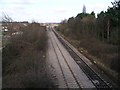
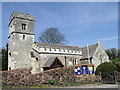
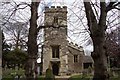
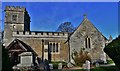
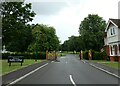
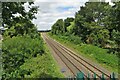
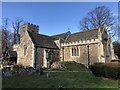
Area Information
Radley is a compact built-up area in England, spanning just 1.2 km². Its small size means the community feels close-knit, with daily life shaped by proximity to local amenities and transport links. The area’s median age of 70 suggests a population skewed towards older residents, which influences the character of the neighbourhood. Radley is not a place for those seeking a fast-paced urban lifestyle but offers a quieter, more stable environment. Homeownership is high, at 78%, indicating a long-term presence of residents. The area is served by four railway stations, including Radley and Culham, providing easy access to nearby towns. Nearby schools, such as Radley Church of England Primary School and the independent Radley College, cater to families. Living in Radley means prioritising convenience over sprawling development, with a focus on local connectivity and established infrastructure. For those seeking a peaceful, well-connected community, Radley offers a distinct alternative to larger urban centres.
- Area Type
- Built Up Area 250
- Area Size
- 1.2 km²
- Population
- Not available
- Population Density
- Not available
Residents of Radley have access to essential amenities within practical reach, including four railway stations and five retail outlets such as Budgens Peachcroft SC, Co-op Northcourt, and Tesco Abingdon. These shops provide everyday convenience, though the area’s small size means choices are limited to nearby towns. The presence of multiple retail points suggests a functional, if unremarkable, shopping experience. The absence of data on parks or leisure facilities means the area’s recreational options are unclear, but the rail links and retail access ensure daily life is manageable. For those seeking a quiet lifestyle with reliable connectivity and local services, Radley offers a straightforward, no-frills environment.
Amenities
Schools
Radley’s education options include Radley Church of England Primary School, which holds an Ofsted rating of “good,” and Radley College, an independent school. The presence of both state and independent institutions provides families with choices, though the data does not specify the school catchment areas or student numbers. The primary school’s “good” rating suggests a solid foundation for early education, while the independent college likely caters to older students seeking specialist or selective education. For families prioritising school quality, the mix of options is a key consideration. However, the absence of data on school performance metrics or pupil outcomes means potential buyers must rely on Ofsted ratings and reputation. The proximity of these schools to Radley itself ensures ease of access, reinforcing the area’s appeal for families.
| Rank | School | Type | Entry gender | Ages |
|---|
Explore more schools in this area
Go to Schools tabDemographics
Radley’s population is predominantly older, with a median age of 70. This reflects a community where retirement is the norm, though the data does not specify the proportion of retirees versus other age groups. Homeownership is high at 78%, suggesting many residents have lived in the area for years. The accommodation types and household composition are listed as “total,” meaning no breakdown is available, but the high ownership rate implies a mix of owner-occupied homes and possibly some long-term rentals. The area’s demographics do not indicate significant diversity in ethnicity or religion, as these are also listed as “total.” This lack of detailed data means the community’s social fabric remains opaque, though the age profile and ownership figures suggest a settled, low-turnover population. For buyers, this stability may be a draw, though it also means the area’s character is unlikely to shift rapidly.
Household Size
Accommodation Type
Tenure
Ethnic Group
Religion
Household Composition
Age
Household Deprivation
NS-SEC
Explore more demographic insights in this area
Go to Demographics tabPlanning
Planning Constraints
- Crime RiskPremium