Area Overview for Princes Risborough
Photos of Princes Risborough
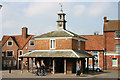
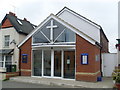
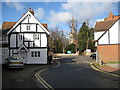
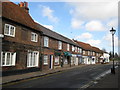
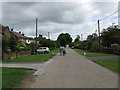
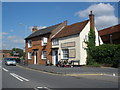
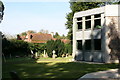

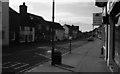

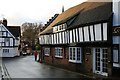
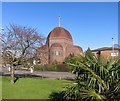
Area Information
Princes Risborough is a compact built-up area in England, covering just 3.0 km². It is a place where older residents predominate, with a median age of 70, suggesting a community shaped by long-term settlement and a slower pace of change. The area’s small size means amenities and services are closely clustered, making daily life efficient for those who live here. Residents benefit from proximity to primary schools, including state-run institutions like Monks Risborough CofE Primary School, which holds a ‘good’ Ofsted rating, and independent options such as St Teresa’s School. The town’s rail connections are notable, with multiple stations within reach, including Princes Risborough and Monks Risborough stations, offering links to nearby towns. For those working remotely, broadband quality is strong, with a score of 85, ensuring reliable internet access. The area’s character is defined by its quiet, settled nature, with a focus on local services and a community feel that prioritises convenience over urban sprawl. Whether you’re seeking a retirement home or a place to raise a family, Princes Risborough offers a balance of practicality and accessibility.
- Area Type
- Built Up Area 250
- Area Size
- 3.0 km²
- Population
- Not available
- Population Density
- Not available
The lifestyle in Princes Risborough is shaped by its proximity to essential amenities and services. Retail options are abundant, with major chains like Tesco, Co-op, and Asda Bell located within the area, offering convenience for daily shopping needs. The rail network is a key feature, with multiple stations providing access to regional transport links, making it easier for residents to travel to nearby towns or cities. While the area lacks detailed information on parks or leisure facilities, the presence of multiple primary schools and retail hubs suggests a focus on community-oriented living. The compact nature of Princes Risborough means residents can access most services without relying on a car, fostering a walkable environment. This combination of practical amenities and transport links creates a lifestyle that balances local convenience with regional connectivity, ideal for those prioritising ease of access over expansive leisure options.
Amenities
Schools
Princes Risborough offers a range of primary schools to suit different family needs. State-run institutions include Icknield Junior School, Berryfield Infant School, and Monks Risborough CofE Primary School, which holds a ‘good’ Ofsted rating, indicating a strong educational offering. The area also hosts Princes Risborough Primary School, which serves the local community. For those seeking independent education, St Teresa’s School provides an alternative. This mix of school types ensures families can choose between state and private options, though the lack of secondary schools in the immediate area may require consideration of nearby towns for further education. The presence of multiple primary schools suggests a focus on early education, which is likely to support the area’s older demographic by providing accessible services for grandchildren or younger relatives.
| Rank | School | Type | Entry gender | Ages |
|---|
Explore more schools in this area
Go to Schools tabDemographics
The population of Princes Risborough is predominantly older, with a median age of 70. This reflects a community where long-term residents outnumber younger families, shaping the area’s social dynamics. Home ownership is high at 74%, indicating a stable housing market where many residents are likely to have lived in their properties for extended periods. The data does not specify household composition or accommodation types, but the high home ownership rate suggests a mix of owner-occupied homes, possibly including semi-detached or terraced properties typical of smaller towns. The area’s demographic profile, while lacking detailed diversity metrics, implies a cohesive community with shared values and a focus on local amenities. For those considering a move, the older population may influence the availability of family-oriented services, though the presence of multiple primary schools suggests efforts to cater to younger residents. The absence of detailed data on ethnicity or religion means the area’s cultural composition remains less defined in the provided information.