Area Overview for Horney Common
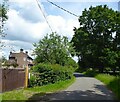
Photos of Horney Common
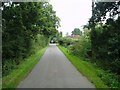
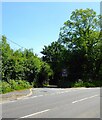
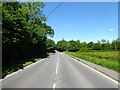
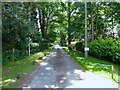
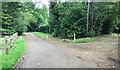

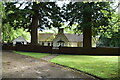
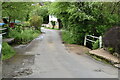

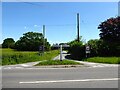

Area Information
Living in Horney Common means residing in a small, built-up area defined by its compact footprint of 60.6 hectares. This locality functions as a distinct residential zone rather than a major city centre, offering a quieter experience away from the pressures of larger urban hubs. The character of the neighbourhood is shaped by limited space, which often fosters a close-knit environment where residents are likely to know one another. You will find that daily life here revolves around the immediate surroundings rather than long commutes into distant suburbs for convenience. The small scale ensures that the area remains manageable, allowing for relatively easy navigation without the traffic congestion found in larger towns. Families and individuals seeking a settled life often appreciate the boundaries of this specific locality. The demographic profile suggests a community with established roots. With a median age of 70, the area attracts a significant population of retirees who have chosen to downsize or settle permanently. This age profile influences the pace of life, creating an atmosphere where quiet and stability are priorities. You do not find the hustle of young professionals or transient workers here; instead, the residents focus on comfort and local amenities. The size of the area restricts the diversity of architectural styles compared to larger towns, resulting in a homogenous look that many find charming. When considering homes in Horney Common, you are purchasing into a demographic landscape dominated by older adults. This focus on a settled population creates a predictable and consistent environment for day-to-day living.
- Area Type
- Built Up Area 250
- Area Size
- 60.6 hectares
- Population
- Not available
- Population Density
- Not available
Life in Horney Common provides convenient access to essential retail and transport linkways just outside the immediate locality. Residents within practical reach of shops include three major supermarkets: M&S Uckfield, Waitrose Little, and Tesco Uckfield. These venues are located nearby, offering a wide range of daily necessities without requiring a vehicle for short trips. For weekly grocery shopping, you have specific options close at hand, eliminating the need to travel deep into urban centres for basics. Because these stores are marked as nearby, you can expect them to be accessible within a short drive or walk depending on your specific address in Horney Common. Transport connectivity relies heavily on the rail network, with three key stations serving the area: Buxted, Uckfield, and Crowborough. These stations provide crucial links for those needing to travel beyond the local patch. Additionally, two bus stops operated by Metro transport are accessible, located at Sheffield Park and Horsted Keynes. These stops offer supplementary transport options, ensuring you are not solely reliant on rail for your daily commute. The combination of three railway stations and two metro stops means you can choose the service that best fits your schedule. Whether you prefer a direct train line or a bus route, the infrastructure near Horney Common supports flexible daily movement.
Amenities
Schools
| Rank | School | Type | Entry gender | Ages |
|---|
Explore more schools in this area
Go to Schools tabDemographics
The community in Horney Common is characterised by a significant dominance of older residents. The median age reaches 70 years, which is considerably higher than the national average for residential areas. This figure confirms that the neighbourhood has a demographic skew towards retirement age, with very few young families or working-age adults moving in regularly. Consequently, you will observe a community where neighbours are likely to share similar life stages and interests. The most common age range encompassing the total population reflects this consolidation of the resident base. Home ownership stands as a defining feature of this demographic landscape, with 85% of households owning their homes outright or with a mortgage. This high percentage indicates a stable community where long-term investment in the property is the norm. You will find very few private landlords operating here, reducing turnover and maintaining consistent neighbourhood character. The remaining 15% of residents are renters, but the overwhelming majority have roots in the area. The household composition total suggests traditional family units have given way to smaller households, typical of those who have enjoyed several decades of career and family life. The predominance of owned homes creates a sense of permanence, where residents are deeply embedded in the social fabric of Horney Common.
Household Size
Accommodation Type
Tenure
Ethnic Group
Religion
Household Composition
Age
Household Deprivation
NS-SEC
Explore more demographic insights in this area
Go to Demographics tabPlanning
Planning Constraints
- Crime RiskPremium