Area Overview for GU28 0QH
Photos of GU28 0QH
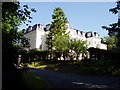
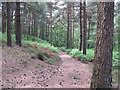
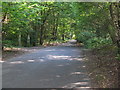
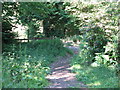
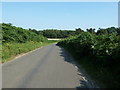
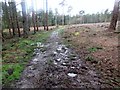
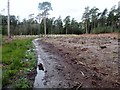
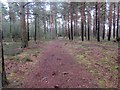
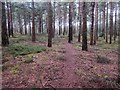
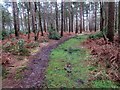
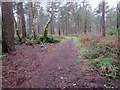
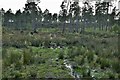
Area Information
GU28 0QH is a small, tightly knit residential cluster in England, covering just 5 hectares and home to 1295 residents. Its compact size means the area feels intimate, with a population density of 47 people per square kilometre. This is a place where daily life is shaped by proximity to local amenities and a stable community. The median age of 47 suggests a mature demographic, with the majority of residents falling between 30 and 64 years old. The area is predominantly owner-occupied, with 73% of homes in private hands, and most properties are traditional houses rather than apartments. While it lacks the vibrancy of larger towns, GU28 0QH offers a quiet, low-maintenance lifestyle. Its small footprint means residents are close to essential services, though the area’s character is defined more by its residential tranquility than commercial hubs. For those seeking a peaceful, established neighbourhood with a strong sense of local identity, this postcode provides a straightforward, uncluttered living environment.
- Area Type
- Postcode
- Area Size
- 5.0 hectares
- Population
- 1295
- Population Density
- 47 people/km²
The property market in GU28 0QH is defined by its small size and high home ownership rate. With 73% of homes owned outright, the area is not a rental hotspot but rather a place where residents have long-term stakes in their properties. The accommodation type is predominantly houses, which is typical for rural or semi-rural postcode areas. This means the housing stock is unlikely to include high-density developments or modern apartments, making it more suited to those seeking traditional, low-maintenance homes. The limited area size—just 5 hectares—means the number of available properties is constrained, which could make the market competitive for buyers. For those considering the area, the focus should be on the condition and layout of individual houses rather than speculative growth. The lack of commercial or industrial land nearby also means the area is unlikely to see significant property value fluctuations driven by development.
House Prices in GU28 0QH
Showing 9 properties
Energy Efficiency in GU28 0QH
The lifestyle in GU28 0QH is shaped by its proximity to essential retail and services. Within practical reach, residents have access to five retail outlets, including M&S Midhurst BP, Spar, and Tesco Midhurst. These stores provide a range of everyday goods, from groceries to household items, reducing the need for long trips to larger towns. While the area lacks large supermarkets or entertainment venues, the availability of local shops contributes to a convenient, self-contained daily life. The absence of detailed information on dining or leisure options means the area’s social scene is likely centred around nearby towns or community events. The small scale of GU28 0QH ensures that amenities are accessible without the sprawl of larger settlements, though residents may need to venture further for more specialised services.
Amenities
Schools
GU28 0QH is served by a mix of primary and independent schools, offering families a range of educational options. For younger children, Graffham CofE Infant School and Duncton CofE Junior School provide primary education, both with Ofsted ratings of 'good'. These schools are likely to be well-established and community-focused, reflecting the area’s traditional character. Independent options include Seaford College and St Michael’s Burton Park, which cater to older students and offer more specialized curricula. The presence of both state and private institutions gives parents flexibility, whether they prioritise affordability or specific educational philosophies. However, the data does not indicate the proximity of these schools to GU28 0QH itself, so travel times or catchment areas may be factors to consider. The overall school landscape suggests a commitment to education, though the small population may mean these institutions serve broader regions beyond the postcode.
| Rank | School | Type | Entry gender | Ages |
|---|
Explore more schools in this area
Go to Schools tabDemographics
The population of GU28 0QH is predominantly adults aged 30 to 64, reflecting a mature, stable community. With a median age of 47, the area is not heavily populated by younger families or retirees, creating a balanced demographic profile. Home ownership is high at 73%, indicating a long-term presence of residents who have invested in the area. The majority of properties are houses, which aligns with the predominantly White ethnic composition of the population. While the data does not specify deprivation levels, the high home ownership rate and low crime risk suggest a relatively secure and economically stable environment. The absence of detailed diversity metrics means the community’s composition is largely homogenous, though this does not necessarily indicate a lack of inclusivity. The area’s characteristics—low population density, older residents, and traditional housing—paint a picture of a place where neighbours are likely to be familiar with one another, fostering a sense of cohesion.
Household Size
Accommodation Type
Tenure
Ethnic Group
Religion
Household Composition
Age
Household Deprivation
NS-SEC
Explore more demographic insights in this area
Go to Demographics tabPlanning
Planning Constraints
- Flood RiskPremium
- Ramsar Wetland SitesPremium
- Area of Outstanding Natural BeautyPremium
- Protected Nature ReservePremium
- Protected WoodlandPremium