Area Overview for Gorrell Ward
Photos of Gorrell Ward
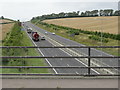
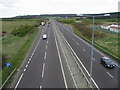
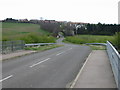
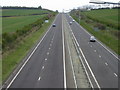
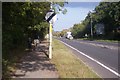
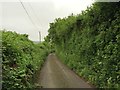
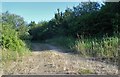
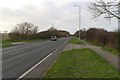
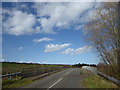
Area Information
Living in Gorrell Ward offers a distinct experience within the larger coastal landscape of Whitstable. This electoral ward sits at the heart of the town centre, managed by Canterbury City Council, yet it carries the quiet distinction of being named after a local stream. The area encompasses roughly 6.1 square kilometres, housing a population of 2,706 residents. You will find the ward divided by the railway line that cuts through the northern and southern sections. The northern part, known locally as Harbour, sits along the coast, while the southern area, Lower Gorrell, lies south of the tracks. This historic Crab and Winkle line runs directly through the district, marking a clear boundary between these two sub-areas. The population density stands at 440 people per square kilometre, indicating a moderately populated environment that is neither isolated nor overcrowded. Daily life here involves navigating a space where residential zones meet the historic port infrastructure. The ward's boundaries are defined by these geographical features rather than urban sprawl. Prospective buyers should note that you are looking at a specific slice of Whitstable character where the past meets the present waterfront setting.
- Area Type
- District Borough Unitary Ward
- Area Size
- 6.1 km²
- Population
- 2706
- Population Density
- 440 people/km²
Demographics
The community in Gorrell Ward is characterised by an exceptionally mature population. With a median age of 70, you are looking at a neighbourhood where older residents form the demographic core. The profile suggests a generation with significant life experience residing within this 2.7k population cluster. Home ownership is a defining feature of the ward, with 65 per cent of residents owning their homes outright or with a mortgage. This high rate indicates stability and long-term settlement rather than a transient rental market. The household composition data reflects this settled nature, though specific breakdowns into family types or single-person households are not detailed in the available records. You should expect a community culture built around older-age needs and established livelihoods. The area represents a quiet corner of Kent where demographic trends lean heavily towards retirement living. When you consider what daily life feels like, the statistics point to a neighbourhood accustomed to a slower pace. There are no indications of a youthful influx or demographic volatility here. The 65 per cent ownership figure reinforces the idea that buying a home here often means joining an established cohort.
Household Size
Accommodation Type
Tenure
Ethnic Group
Religion
Household Composition
Age
Household Deprivation
NS-SEC
Explore more demographic insights in this area
Go to Demographics tabPlanning
Planning Constraints
- Flood RiskPremium
- Ramsar Wetland SitesPremium
- Area of Outstanding Natural BeautyPremium
- Protected Nature ReservePremium
- Protected WoodlandPremium
- Crime RiskPremium