Area Overview for Eastling
Photos of Eastling
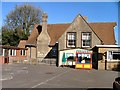
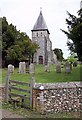
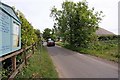
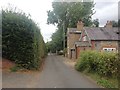
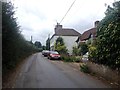
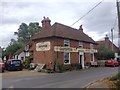
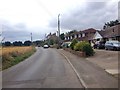
Area Information
Eastling is a compact built-up area in England, covering just 23.5 hectares. Its small size means it is tightly knit, with a distinct local character shaped by its older population and established infrastructure. The area’s median age of 70 suggests a community of long-term residents, many of whom may have lived here for decades. Daily life in Eastling is influenced by its proximity to key amenities, including nearby rail stations and a primary school with a good Ofsted rating. The area’s rail links to Teynham, Faversham, and Charing provide practical access to larger towns, while local shops like Co-op Teynham and Aldi Tettenhall offer convenience for everyday needs. Though small, Eastling balances practicality with a quiet, settled atmosphere. For those considering living here, the combination of low crime risk and accessible transport makes it an appealing choice for buyers seeking a stable, community-focused environment. The area’s compact nature ensures that residents can easily navigate its boundaries on foot or by bike, adding to its charm.
- Area Type
- Built Up Area 250
- Area Size
- 23.5 hectares
- Population
- Not available
- Population Density
- Not available
Eastling’s lifestyle is shaped by its proximity to essential amenities, including five retail outlets such as Co-op Teynham, Aldi Tettenhall, and Co-op Faversham. These shops provide access to groceries, household goods, and other necessities, reducing the need for long trips to larger towns. The area’s rail stations offer additional convenience, connecting residents to nearby towns for more extensive shopping, dining, or leisure opportunities. While the data does not specify parks or recreational spaces, the compact nature of Eastling suggests that local green spaces may be limited, requiring residents to travel slightly further for outdoor activities. The combination of retail access and transport links makes daily life in Eastling practical, though those prioritising extensive leisure facilities may need to look beyond the immediate area.
Amenities
Schools
Eastling Primary School is the only school explicitly listed in the data, serving the area’s younger residents. As a primary school with a good Ofsted rating, it offers a solid foundation for children’s early education. The absence of secondary schools or other educational institutions in the data means that families may need to look beyond Eastling for comprehensive schooling options. This could be a consideration for parents prioritising a full range of educational facilities. However, the proximity of rail stations to larger towns like Faversham and Charing may provide practical access to secondary schools in nearby areas. For those valuing a good primary school, Eastling’s offering is a clear positive, though the lack of additional schools may require careful planning for long-term educational needs.
| Rank | School | Type | Entry gender | Ages |
|---|
Explore more schools in this area
Go to Schools tabDemographics
Eastling’s population is predominantly older, with a median age of 70, reflecting a community that is largely composed of long-term residents. This age profile suggests a stable, low-turnover demographic, with fewer younger families or transient populations. Home ownership is high, at 71%, indicating that most properties are owner-occupied rather than rented. This could imply a sense of permanence and investment in the area. The data does not specify household types or accommodation categories, but the overall figures suggest a mature population with established living arrangements. The lack of detailed breakdowns on ethnicity or religion means the community’s diversity cannot be quantified, though the area’s small size may limit the range of demographic groups present. For those considering Eastling, the high home ownership rate and older age profile suggest a quiet, unchanging environment that may appeal to retirees or those seeking a low-maintenance lifestyle.
Household Size
Accommodation Type
Tenure
Ethnic Group
Religion
Household Composition
Age
Household Deprivation
NS-SEC
Explore more demographic insights in this area
Go to Demographics tabPlanning
Planning Constraints
- Crime RiskPremium