Area Overview for Rother Ward
Photos of Rother Ward
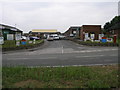
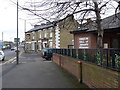
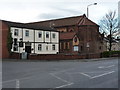
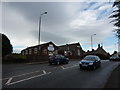
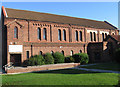
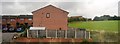
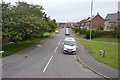

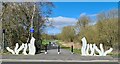
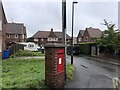
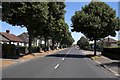
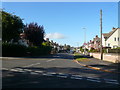
Area Information
Rother Ward covers a compact area of 2.3 km² within the Bournemouth, Christchurch and Poole district. It is a small, densely populated locality with 1546 residents, which creates a close-knit neighbourhood feel. Your daily life here is defined by a mix of suburban housing and significant green space, particularly the 14.4-hectare Kings Wyke Golf Course. The ward operates as a residential community rather than a commercial hub, with amenities centred on local services like the library at Queens Park. Living in Rother Ward means enjoying low traffic volumes, as the broad landscape and open spaces naturally regulate vehicle movement. Population density stands at 663 people per square kilometre, a figure that places the area above the national average while maintaining a quiet character. You will find the ward is not dominated by high-density blocks; instead, the housing stock spreads across the terrain. This geographic layout supports a slower pace of life compared to larger towns nearby. The ward's identity relies heavily on its proximity to Castle Point and its integration with the wider Salisbury Plain area, offering a distinct separation from the immediate urban fringe.
- Area Type
- District Borough Unitary Ward
- Area Size
- 2.3 km²
- Population
- 1546
- Population Density
- 663 people/km²
Demographics
The community within Rother Ward is characterised by a very senior population profile. The median age is 70 years old, confirming that this is a retirement-forward area where pensioners form the largest demographic group. You are likely to encounter households consisting of older couples or individuals who have moved into the area for the environment. Only 43% of residents own their homes, meaning roughly one resident in five is living in the property market as a tenant. This rate of home ownership is lower than you might expect in a quiet English suburb, suggesting a significant rental population or residents reliant on local schemes for accommodation. Household composition leans heavily towards singles and couples without children, reflecting the age data. The ward's population density of 663 people per square kilometre indicates a settled community rather than a rapidly expanding one. While specific data on ethnicity and religion is not broken down in the available figures, the overall demographic picture points to a stable, non-family focus. You should prepare for a social environment that caters to the needs of the elderly, with less emphasis on childcare facilities compared to family-heavy districts.
Household Size
Accommodation Type
Tenure
Ethnic Group
Religion
Household Composition
Age
Household Deprivation
NS-SEC
Explore more demographic insights in this area
Go to Demographics tabPlanning
Planning Constraints
- Flood RiskPremium
- Ramsar Wetland SitesPremium
- Area of Outstanding Natural BeautyPremium
- Protected Nature ReservePremium
- Protected WoodlandPremium