Area Overview for Dorney
Photos of Dorney

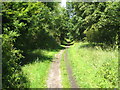
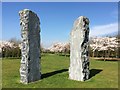

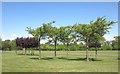
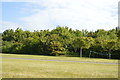
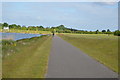
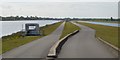
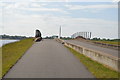
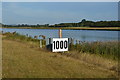
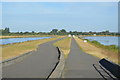
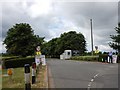
Area Information
Dorney is a small civil parish covering an area of 5.5 km². You will find it situated in the Heart of England region, offering a distinctly rural setting for those seeking quiet living. The community is defined by its low density and established character, making it attractive to those who prioritise space over urban convenience. Living in Dorney means accepting a lifestyle where daily activities require careful planning rather than spontaneous urban wandering. The parish functions as a contained unit, providing a predictable environment for residents who value stability. You can expect a neighbourhood where change happens slowly and where the scale of development remains modest. This specific area size supports a population that thrives on a traditional village pace rather than modern speed. Homes in Dorney often reflect the local planning constraints that have kept the landscape intact for decades. The site sits within a larger network of settlements but maintains a clear identity as an independent parish. Your daily journey here will differ significantly from city life due to the lack of major commercial hubs within the immediate boundaries. The area appeals to buyers who understand the trade-off of rural isolation for a peaceful home environment. You must consider how far you are willing to travel for work, school, and essential services. This location suits established households better than young professionals fresh to the market. The physical attributes of the parish create a sense of history that newer developments often lack. Everyone who moves to Dorney becomes part of a tight-knit group with deep local roots.
- Area Type
- Parish
- Area Size
- 5.5 km²
- Population
- Not available
- Population Density
- Not available
Demographics
The community in Dorney shows distinct patterns when you examine the age profile and household structure. The median age sits at 70 years, indicating that the population skews heavily towards older adults. You are not buying into a young-vibrant trend; instead, you are entering a retirement-heavy settlement where daily life moves at a slower pace. Data confirms that the most common age range encompasses the total demographic, suggesting a lack of significant youth bulges. Seventy-seven per cent of households own their homes entirely, which signals a region where residents have stayed through various market cycles. This high level of ownership typically correlates with longer residency periods and established community bonds. School-age children appear to be a minority in this parish, reflecting the age distribution of the population. The housing stock primarily serves families in retirement or couples without young dependants. There are no specific statistics available regarding predominant ethnic groups or religious composition in the current dataset. Deprivation data is not mentioned in the provided information, so you must rely on broader local knowledge for that context. This demographic profile means you are likely to meet neighbours who have lived here for generations. The social fabric of Dorney is built around shared experiences of aging and long-term settlement rather than transient living. You will find a quiet atmosphere where the main activity revolves around leisure and proximity to healthcare rather than career networking or nightlife.
Household Size
Accommodation Type
Tenure
Ethnic Group
Religion
Household Composition
Age
Household Deprivation
NS-SEC
Explore more demographic insights in this area
Go to Demographics tabPlanning
Planning Constraints
- Flood RiskPremium
- Ramsar Wetland SitesPremium
- Area of Outstanding Natural BeautyPremium
- Protected Nature ReservePremium
- Protected WoodlandPremium
- Crime RiskPremium