Area Overview for CT1 1FF
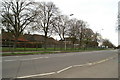
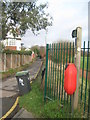
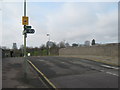
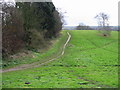
Photos of CT1 1FF
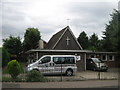
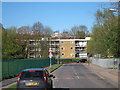
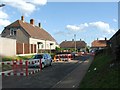
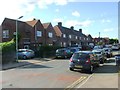
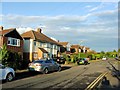
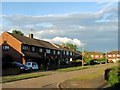
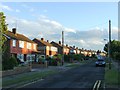
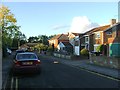
Area Information
CT1 1FF is a small residential cluster nestled within the historic city of Canterbury, a UNESCO World Heritage Site in Kent. This area, covering 847 square metres, is densely populated, with 1,373 residents packed into a compact footprint. Its proximity to Canterbury’s medieval landmarks, such as Barton Hall and Jesus Hospital, reflects its deep historical roots. The ward is part of the City of Canterbury unitary authority, blending ancient architecture with modern living. Daily life here is shaped by its compact size, with residents within easy reach of retail hubs like Tesco Canterbury and Sainsburys Canterbury Old. The area’s strategic location near multiple railway stations, including Canterbury East and Bekesbourne, ensures strong connectivity to surrounding towns. While the population density is exceptionally high, the area retains a quiet, residential character, offering a mix of historic charm and contemporary convenience. For buyers, CT1 1FF represents a unique blend of heritage and accessibility, though its small scale means limited expansion potential.
- Area Type
- Postcode
- Area Size
- 847 m²
- Population
- Not available
- Population Density
- Not available
The property market in CT1 1FF is characterised by a low home ownership rate of 28%, which implies that the majority of properties are rented rather than owner-occupied. This dynamic is unusual for a postcode of this size, suggesting a reliance on rental income from landlords or institutional investors. The accommodation type is predominantly houses, which is atypical for a densely populated urban area, hinting at a mix of older, detached homes and possibly some converted buildings. For buyers, this presents a niche market: properties are likely to be larger than average for the area, but the limited number of owner-occupied homes may mean competition from renters seeking long-term tenancies. The small area size and high density also mean that any new developments would face significant constraints, making CT1 1FF a challenging but potentially rewarding choice for those seeking a unique property in a historic setting.
House Prices in CT1 1FF
No properties found in this postcode.
Energy Efficiency in CT1 1FF
Living in CT1 1FF offers a blend of convenience and historical richness. Within walking distance are major retail outlets such as Tesco Canterbury, Waitrose Canterbury, and Sainsburys Canterbury Old, providing easy access to groceries, dining, and everyday essentials. The area’s proximity to multiple railway stations, including Canterbury East and Bekesbourne, ensures seamless travel to surrounding towns and cities. While the postcode itself is small, its integration into Canterbury’s historic fabric means residents are near medieval landmarks like Barton Hall and Jesus Hospital. This mix of retail, transport, and heritage creates a lifestyle that balances modern needs with cultural depth. The compact nature of the area means amenities are tightly clustered, reducing travel time for daily errands. However, the limited space may mean fewer green spaces or parks, requiring residents to venture slightly further for leisure activities.
Amenities
Schools
| Rank | School | Type | Entry gender | Ages |
|---|
Explore more schools in this area
Go to Schools tabDemographics
The population of CT1 1FF has a median age of 47, with the majority of residents falling within the 30-64 age range. This suggests a mature, stable community, likely with established careers and families. Home ownership is relatively low at 28%, indicating that a significant portion of the housing stock is rented out, possibly to students or professionals working in Canterbury. The predominant accommodation type is houses, which is unusual for an urban postcode, suggesting a mix of older, detached properties. The predominant ethnic group is White, reflecting Canterbury’s demographic profile. The high population density—over 1.6 million people per square kilometre—raises questions about living space per person, though the area’s compact size and proximity to amenities may mitigate this. The absence of specific deprivation data means the quality of life remains unquantified, but the age profile and housing type suggest a community prioritising stability over transient lifestyles.
Household Size
Accommodation Type
Tenure
Ethnic Group
Religion
Household Composition
Age
Household Deprivation
NS-SEC
Explore more demographic insights in this area
Go to Demographics tabPlanning
Planning Constraints
- Flood RiskPremium
- Ramsar Wetland SitesPremium
- Area of Outstanding Natural BeautyPremium
- Protected Nature ReservePremium
- Protected WoodlandPremium
- Crime RiskPremium