Area Overview for Crondall
Photos of Crondall
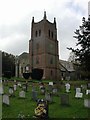
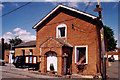
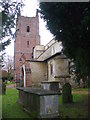
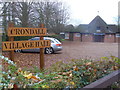
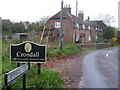
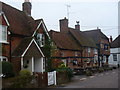
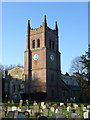
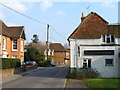

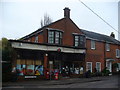
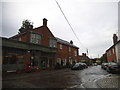
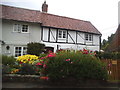
Area Information
Crondall is a compact built-up area in England, spanning 66.5 hectares. It is a place where older residents form the majority, with a median age of 70, suggesting a community shaped by long-term settlement. The area is predominantly owner-occupied, with 76% of homes owned by residents, reflecting a stable housing market. Daily life in Crondall is anchored by its proximity to key transport links, including multiple railway stations and nearby airports, offering connectivity to larger towns. Retail options are modest but practical, with five notable stores within reach, including Sainsburys and Waitrose. While broadband quality is rated poor (36/100), mobile coverage is good (74/100), supporting basic digital needs. The area’s safety profile is medium, with crime rates around average. For those seeking a quiet, established community with practical amenities, Crondall offers a blend of accessibility and local character.
- Area Type
- Built Up Area 250
- Area Size
- 66.5 hectares
- Population
- Not available
- Population Density
- Not available
Crondall’s lifestyle is defined by its proximity to practical amenities. Retail options include five notable stores, such as Sainsburys Church Crookham and Waitrose Little Waitrose, offering everyday shopping convenience. The area’s rail stations provide access to nearby towns, while nearby airports cater to regional travel. Though the data does not mention parks or leisure facilities, the presence of multiple retail and transport hubs suggests a community focused on accessibility. For residents, this means a balance of local convenience and the ability to travel further for recreation or services. The modest scale of amenities aligns with Crondall’s character as a compact, established area.
Amenities
Schools
The nearest schools to Crondall include Crondall Primary School, which serves the local community. No Ofsted ratings are provided in the data, so prospective families should seek independent reviews or visit the school directly. The presence of a primary school suggests the area is suitable for young families, though secondary education options are not listed. The lack of additional schools nearby means families may need to travel to neighbouring towns for secondary schooling. This could be a consideration for buyers prioritising a comprehensive educational network.
| Rank | School | Type | Entry gender | Ages |
|---|
Explore more schools in this area
Go to Schools tabDemographics
Crondall’s population is predominantly older, with a median age of 70, indicating a community where retirement is the norm. The most common age range is listed as “Total,” suggesting data aggregation without further breakdown. Home ownership is high at 76%, reflecting a stable, long-term resident base. Household composition and accommodation types are not specified beyond totals, but the data implies a mix of family and single-person households. Ethnicity and religion are also aggregated as “Total,” meaning no specific figures are available. While deprivation data is absent, the high home ownership and age profile suggest a community with established needs. For buyers, this indicates a market where properties are likely to be held long-term, with demand from retirees or those seeking a low-maintenance lifestyle.