Area Overview for CR3 6QF
Photos of CR3 6QF
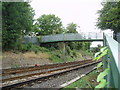
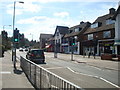
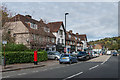
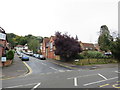
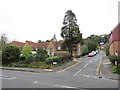
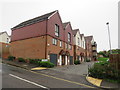
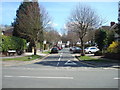
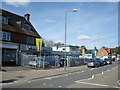
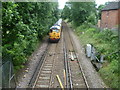
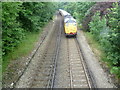
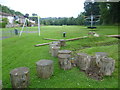
Area Information
Living in CR3 6QF means residing within a specific postcode cluster of Sir Thomas Marden's Manor, a small residential area covering 5678 square metres. You find yourself part of a tightly knit community where 2059 people call this space home. The area sits firmly within the Tandridge district of Surrey, situated in Caterham Valley. This locality is defined by its distinctive position within the North Downs landscape, characterised by chalk hills and clay valleys that have shaped settlement patterns for millennia. The modern character of the area developed rapidly following the arrival of the railway in 1856, transforming a previously rural parish into a burgeoning commuter town. Today, the valley remains a distinct locality opening northwards towards Warlingham. You are looking at an established neighbourhood where Victorian villa construction and long-standing gentry control left a lasting imprint on the architecture and street layout. The history here runs deep, with roots stretching back to an Iron Age hillfort known as War Coppice Camp on White Hill. Mediaeval Caterham remained a small agricultural village until the railway brought significant change. A substantial military presence was later established with the opening of Caterham Barracks in 1877, which trained soldiers for over a century and bolstered the local economy. This dual identity as both a residential commuter settlement and a former military hub defines the current feel of the valley. You are stepping into an area with a rich history of transportation and industry, yet it retains the quiet charm of a suburban enclave within the South East English region.
- Area Type
- Postcode
- Area Size
- 5678 m²
- Population
- 2059
- Population Density
- 3313 people/km²
The property market in CR3 6QF is defined by stability and long-term ownership. With 76% of households owning their homes, this postcode represents a classic owner-occupied market rather than a rental sector dominated by institutional landlords. The predominant accommodation type is houses, which aligns perfectly with the Victorian villa construction and suburban expansion described in the local history. You are looking for traditional property stock that has been maintained over generations rather than new-build enclaves. This high level of ownership usually correlates with well-kept gardens and mature trees, reflecting the area's development as a commuter town from the 19th century onward. The houses you will encounter are likely part of the rapid population growth spurt following the railway arrival in 1856. Buyers here can expect a consistent housing stock rather than fragmented developments. The market is insulated from the volatility often seen in student or buy-to-let zones. Instead, you encounter a market driven by families and professionals seeking a permanent home within the Tandridge district. The 5678 square metre footprint of this specific postcode cluster further indicates a scarcity of land, likely putting upward pressure on values for the houses within it. This creates a market where prestige is earned through location and standing in the community rather than flashiness. The historical shifts from agricultural village to military hub to commuter town have all left their mark on the available housing types.
House Prices in CR3 6QF
Showing 18 properties
| Address | Type | Beds | Baths | Last Sale Price | Last Sale Date | |
|---|---|---|---|---|---|---|
| 180 Croydon Road, Caterham, CR3 6QF | Maisonette | 2 | 2 | £305,000 | Oct 2023 | |
| 200 Croydon Road, Caterham, CR3 6QF | Semi-detached | 4 | 2 | £545,000 | Aug 2022 | |
| 196 Croydon Road, Caterham, CR3 6QF | Semi-detached | 5 | 3 | £578,000 | Feb 2021 | |
| 198 Croydon Road, Caterham, CR3 6QF | house | - | - | £475,250 | Jun 2016 | |
| 182 Croydon Road, Caterham, CR3 6QF | Maisonette | 3 | 1 | £240,000 | Apr 2008 | |
| 196A Croydon Road, Caterham, CR3 6QF | Semi-detached | 4 | 2 | £346,250 | Jun 2007 | |
| 204 Croydon Road, Caterham, CR3 6QF | house | - | - | £165,000 | Jul 2001 | |
| 206 Croydon Road, Caterham, CR3 6QF | Semi-detached | 3 | 1 | £165,000 | Jun 2000 | |
| 188 Croydon Road, Caterham, CR3 6QF | Bungalow | 2 | 1 | £101,000 | Feb 1999 | |
| 202 Croydon Road, Caterham, CR3 6QF | house | - | - | £116,000 | Aug 1997 |
Energy Efficiency in CR3 6QF
Your daily lifestyle in CR3 6QF is supported by a practical network of amenities within easy reach. Retail options include five nearby locations, featuring major supermarkets such as Lidl Croydon, Waitrose Caterham, and Co-op Caterham. These venues offer everything from daily groceries to high-quality provisions, meaning you rarely need to travel far for essential shopping. Transport convenience extends to five rail stations, including Caterham Railway Station, Whyteleafe South, and Woldingham Railway Station. For specific mobility needs, five tram stops are also accessible, such as New Addington Tram Stop, King Henry's Drive Tram Stop, and Gravel Hill Tram Stop. Aviation enthusiasts or business travellers might find the two nearby airports useful, including London Biggin Hill Airport and Biggin Hill Airport. This density of transport nodes ensures you are rarely more than a few minutes from a station or public transport stop. The combination of supermarket chains and railway access creates a self-contained suburban experience. You can do most of your week's shopping without a car and commute via train. The presence of specific named venues like Waitrose and Co-op anchors the local economy in familiar, high-trust brands. The layout ensures that practical needs are met without disrupting the quiet residential nature of the valley.
Amenities
Schools
Families in CR3 6QF are served by excellent local primary education options, ensuring young children have access to quality schooling within walking or driving distance. Marden Lodge Primary School serves as a key educational facility for the neighbourhood, catering to the children of local residents. For those seeking a higher standard of education immediately, Marden Lodge Primary School and Nursery stands out with a confirmed 'good' Ofsted rating. This rating signifies that the school meets a satisfactory level of quality in its teaching, behaviour, and safeguarding. The presence of a nursery attached to the primary school suggests a convenient ecosystem for parents, potentially reducing the need for separate childcare arrangements during the early years. You have two distinct primary institutions to choose from, both situated near the heart of the community. This mix provides flexibility for parents who may need to choose based on specific pastoral needs or peer group dynamics. The availability of local schooling reinforces the area's status as a family-friendly destination rather than a commuter-only locale. The 'good' status of one of the schools is a tangible asset for buyers placing high importance on educational standards.
| Rank | School | Type | Entry gender | Ages |
|---|
Explore more schools in this area
Go to Schools tabDemographics
The community in CR3 6QF reflects a stable, established neighbourhood with a clear age profile. Residents are predominantly adults between 30 and 64 years old, indicating a workforce familiar with long-term settlement rather than short-term renting. The median age stands at 47, confirming that families and established households form the core of the population. This older demographic profile suggests a preference for stability over the rapid turnover seen in new build developments. Home ownership is exceptionally high, with 76% of residents owning their properties outright. This figure indicates that mortgages are rarely the primary barrier to purchase and that many families have built equity over decades. The dominant accommodation type consists of houses, reinforcing the character of this as a family-oriented suburb rather than a high-density flat living area. The predominant ethnic group is White, aligning with the historic development of the area. You will not find significant deprivation markers disrupting the community fabric, given the high ownership rates and established nature of the valency. The population density suggests a comfortable living space without the congestion often found in urban cores. This demographic structure supports a quiet, secure environment where neighbours are likely to know one another well. The lack of young children typical of novice homebuyers and the absence of elderly care needs suggests a balanced, productive community.
Household Size
Accommodation Type
Tenure
Ethnic Group
Religion
Household Composition
Age
Household Deprivation
NS-SEC
Explore more demographic insights in this area
Go to Demographics tabPlanning
Planning Constraints
- Flood RiskPremium
- Ramsar Wetland SitesPremium
- Area of Outstanding Natural BeautyPremium
- Protected Nature ReservePremium
- Protected WoodlandPremium