Area Overview for Chepping Wycombe
Photos of Chepping Wycombe
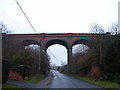
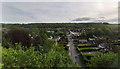

Area Information
Chepping Wycombe sits as a distinct civil parish spanning 11.5 km² within Buckinghamshire. The area offers a settled environment defined by its rural character rather than a rapid population expansion. You will find a neighbourhood where daily life revolves around local amenities and established routines. The landscape includes significant natural features that shape how residents move through the parish. This is not an urban centre competing for office workers or young families seeking high-density housing. Instead, it serves as a stable community where longer-term residents dominate the street scene. The scale of the area suggests a compact village feel despite its classification as a larger parish. You can expect a setting where the pace of life is measured by nature and local conveniences rather than traffic times or quick commutes. The presence of protected landscapes ensures that development remains constrained, preserving the visual corridor that defines living in Chepping Wycombe. Buyers here seek permanence and connection to the countryside rather than urban convenience. The parish structure means governance and community decisions reflect a specific, localized identity separate from the wider Wycombe district. Living in Chepping Wycombe means accepting the benefits of a quiet, mature setting where the boundary between home and nature is permeable. The area's designation protects much of its visual and environmental character, ensuring that new construction must navigate existing constraints. This creates a predictable environment for those who value stability over rapid change. The community operates on a scale that allows for strong inter-local awareness while maintaining privacy within individual properties.
- Area Type
- Parish
- Area Size
- 11.5 km²
- Population
- Not available
- Population Density
- Not available
Demographics
The community within Chepping Wycombe reflects a highly mature population profile with a median age of 70. Age data indicates that the total demographic is weighted heavily toward older residents, creating a neighbourhood where healthcare proximity and quieter streets are central priorities. You are likely to meet neighbours who have called this parish home for decades, contributing to a social fabric built on long-standing relationships. The household composition supports this picture, as family units tend to be smaller and often consist of two people or single households. Home ownership stands at 82%, confirming that financial stability and equity accumulation are the norm for residents. This high rate of ownership shapes the community's approach to enhancement and maintenance, as occupants are typically invested in their immediate surroundings for the long term. The accommodation type survey aligns with this, showing a stock dominated by owned properties rather than transient rentals. This structure reduces turnover and encourages residents to integrate deeply with the local fabric. The area contains no specific data on ethnic breakdown or religious affiliation in the provided figures, though the homogeneity of age and ownership suggests a traditional community dynamic. Living in Chepping Wycombe means engaging with a generation that actively manages its own resources and local issues. The high bar for entry is financial, yet the reward is a stable, self-governed community where residents act as stewards of their environment.
Household Size
Accommodation Type
Tenure
Ethnic Group
Religion
Household Composition
Age
Household Deprivation
NS-SEC
Explore more demographic insights in this area
Go to Demographics tabPlanning
Planning Constraints
- Flood RiskPremium
- Ramsar Wetland SitesPremium
- Area of Outstanding Natural BeautyPremium
- Protected Nature ReservePremium
- Protected WoodlandPremium
- Crime RiskPremium