Area Overview for Burgess Hill Victoria Ward
Photos of Burgess Hill Victoria Ward
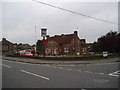
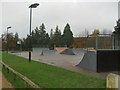
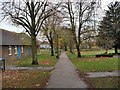
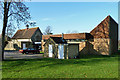
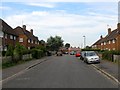
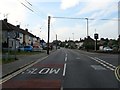
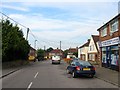
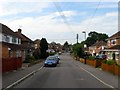
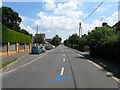
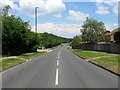
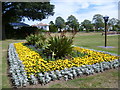
Area Information
Living in Burgess Hill Victoria Ward offers a distinct residential experience within a compact footprint. This district borough unitary ward spans just 1.4 km², creating a concentrated and self-contained neighbourhood. You live within a zone defined by clear boundaries and a specific local identity. The area stands out for its high rate of established residency and stable community structure. It represents a specific slice of the wider West Sussex landscape, offering residents a defined sense of place. While the ward is small in physical size, it contains a full spectrum of daily amenities and housing options. The environment is characterised by a settled pace of life typical of mature British suburbs. Your daily routine revolves around local streets that cater primarily to residents rather than transient commercial traffic. The ward functions as a distinct community unit, separate from surrounding zones. You enjoy access to services without travelling far, given the density of the settlement. This compact layout makes it easy to navigate your immediate surroundings on foot or by cycle. The area maintains a consistent character that defines the living experience for those calling this postcode their home. Burgess Hill Victoria Ward remains a focused residential area with a strong emphasis on local living.
- Area Type
- District Borough Unitary Ward
- Area Size
- 1.4 km²
- Population
- Not available
- Population Density
- Not available
Demographics
The community profile of Burgess Hill Victoria Ward reflects a settled, mature population. The median age for residents is 70 years old, indicating a significant demographic leaning toward retirees and long-term homeowners. You are likely to join a neighbourhood where the average resident has lived here for decades. This age distribution shapes the social atmosphere and local service demands. Household composition in Burgess Hill Victoria Ward supports this high-aged population, though specific breakdowns by single-person or family units are not detailed in the current records. As a result, you must infer the nature of social interaction based on the dominant age group. Home ownership stands at a robust 71%, reinforcing the picture of a stable, long-term community. The majority of residents possess an equity stake in their property, suggesting financial security and a lack of short-term turnover. The area prioritises quiet living, given the demographic makeup, rather than the startup energy of younger cohorts. Diversity, ethnicity, and religion data are not specified in the available figures for this ward. You should expect a community defined more by age and tenure than by recent migration trends. The demographic shift toward older residents creates a society centred on leisure, gardening, and family support networks.
Household Size
Accommodation Type
Tenure
Ethnic Group
Religion
Household Composition
Age
Household Deprivation
NS-SEC
Explore more demographic insights in this area
Go to Demographics tabPlanning
Planning Constraints
- Flood RiskPremium
- Ramsar Wetland SitesPremium
- Area of Outstanding Natural BeautyPremium
- Protected Nature ReservePremium
- Protected WoodlandPremium