Area Overview for Buckinghamshire
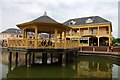
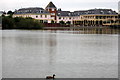
Photos of Buckinghamshire

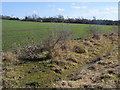
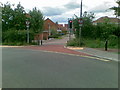


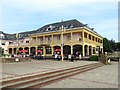

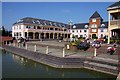


Area Information
Living in Buckinghamshire offers a distinctive experience for those seeking a balance between rural tranquillity and modern convenience. This ceremonial county covers a vast expanse of 1,874.6 square kilometres, stretching from the urban edge of Greater London into the historic Chiltern Hills. You will find neighbouring counties including Northamptonshire, Bedfordshire, Hertfordshire, Berkshire, and Oxfordshire surrounding this large administrative region. The area encompasses four-fifths of the total geographic area under the unitary authority of Buckinghamshire, which also holds two-thirds of the local population. Aylesbury stands as the historic county town, serving as a focal point for the region. Yet today, life here is defined by a dynamic blend of commuter towns, market centres, and rural villages. You can move seamlessly from the rapidly growing city of Milton Keynes, a separate unitary authority within the county, to traditional landscapes and historic market towns like High Wycombe. This setting provides a backdrop where residents enjoy access to both expansive natural scenery and the practicalities of a modern expansion coming off the London commuter belt. The combination of historic architecture and new developments creates a varied environment for prospective homebuyers who value space and setting.
- Area Type
- Ceremonial Counties Region
- Area Size
- 1874.6 km²
- Population
- Not available
- Population Density
- Not available
Demographics
The community in Buckinghamshire presents a clear demographic picture characterised by a mature population and high rates of home ownership. You will find that the median age across the county reaches 70 years, indicating a significant older demographic resides here. Because the age profile leans heavily towards retirement living, the most common age range represents the total population without a younger skew. This stability translates into a strong sense of established neighbourhoods rather than transient student populations or young families. Home ownership levels are particularly high, with 68% of residents owning their properties outright or with a mortgage. This figure suggests a market where long-term settlement is the norm rather than short-term renting. The data does not specify details on predominant ethnic groups, religious affiliations, or total household composition breakdowns, but the ownership rate remains the defining statistic. A high ownership rate typically correlates with stable local communities where families and retirees have invested in their local streets. When considering homes in this area, you are entering a market dominated by established residents who view their properties as lifelong homes rather than temporary assets.