Area Overview for Broadstairs and St. Peters
Photos of Broadstairs and St. Peters
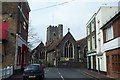
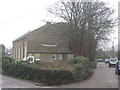
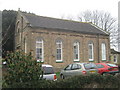
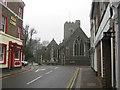
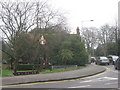
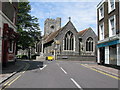
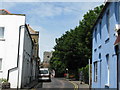
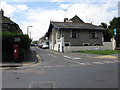
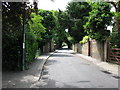
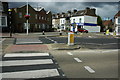
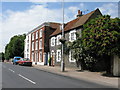
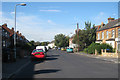
Area Information
Living in Broadstairs and St. Peters means residing in a coastal town and civil parish on the Isle of Thanet in Kent, South East England. This parish covers an area of 12.1 km² and is home to 15,488 residents. The location encompasses two distinct settlements, the historic inland village of St Peter's and the seaside community of Broadstairs. St Peter's developed around a parish church built circa 1080, while Broadstairs grew from a 14th-century fishing hamlet. The parish name reflects this dual heritage, merging the quiet character of the inland village with the seaside lifestyle of the resort. Daily life here benefits from proximity to landmarks such as the Shrine of Our Lady site, the industrial estate at Pyson's Road, and historic sites like Pierremont Hall. The Broadstairs & St Peter's Chamber of Commerce has supported local events and safety measures for over 100 years. Although the area possesses significant history, including associations with Charles Dickens and smuggling tunnels, the modern environment focuses on tourism and residential stability. You are purchasing a home in an area where planning constraints exist due to protected nature reserves, balancing conservation with housing needs. This specific mix defines the everyday experience for residents navigating the town's unique landscape. ### The community in Broadstairs and St. Peters is characterised by a predominantly older population. The median age in the parish stands at 70, making this the most common age range for residents. This demographic profile indicates a settlement with a significant retirement presence, which influences the range of local services and the general pace of life. Approximately 79% of households in Broadstairs and St. Peters own their homes. This high ownership rate suggests long-term stability within the community rather than a transient rental market. Accommodation types and household composition reflect an older population structure, though specific breakdowns for single-person or multi-generational homes are not detailed in current records. The area hosts a population of 15,488 people across its 12.1 km², resulting in a population density of 1,277 people per square kilometre. This density places Broadstairs and St. Peters within a moderate range for coastal towns, ensuring residents are close to amenities without overcrowding. Specific details regarding predominant ethnic groups and religious affiliations are not currently available, meaning the visible diversity of the community relies on observation of the local population rather than census-derived groupings. The eighth and sixth Tuesdays in every month feature high levels of senior activity, reinforcing the town's reputation as a retirement destination. ### The housing market in Broadstairs and St. Peters presents a landscape defined by high retention rates rather than speculative flipping. Approximately 79% of homes in the parish are owner-occupied. This figure indicates that the majority of residents have established roots in the area, creating a stable property environment. Consequently, the stock likely consists of family homes built over decades, often adapted forlderly living or downsizing needs. You are looking to buy or sell in an area where property values are supported by long-term residents who intend to stay. Accommodation types range from Victorian terrace houses near the seafront to detached properties in St Peter's village. The high ownership percentage means you are more likely to contend with estate agent fees and legal costs associated with self-moving than with new build incentives. Broadstairs and St. Peters features a mix of historic and modern housing, with the industrial estate at Pyson's Road influencing the edges of the residential zone. When evaluating homes in Broadstairs and St. Peters, expect the property market to respond slowly to changes, given the entrenched ownership patterns. This stability can translate to secure investments for buyers who plan to remain in the parish for an extended period. The market does not offer the rapid turnover characteristic of holiday villages, ensuring a more traditional buying experience. ### Digital connectivity in Broadstairs and St. Peters supports reliable remote working and daily internet usage. The area achieves a fixed broadband quality score of 91 out of 100. This rating classifies the broadband as excellent, ensuring fast and stable connections for high-demand tasks such as video conferencing or streaming. Mobile coverage scores an 85 out of 100, also reflecting a high level of service across the parish. These figures confirm that living in Broadstairs and St. Peters involves minimal disruption from digital outages. The physical transport network connects the inland village of St Peter's with the coastal hub of Broadstairs. While public transport schedules are not detailed in the current data, the high digital scores suggest the infrastructure is robust enough to handle modern connectivity demands. Residents can rely on strong internet signals for business and leisure, a crucial factor for families moving to this coastal location. The existence of a Chamber of Commerce supporting local CCTV and events indicates a community that values safety and engagement, further supported by reliable communications. When considering homes in Broadstairs and St. Peters, you can be confident that digital infrastructure meets high standards. The area does not suffer from poor connectivity, allowing seamless integration into modern digital workflows. ### Safety assessments for Broadstairs and St. Peters reveal a generally secure environment with some environmental planning constraints. The crime risk score stands at 71 out of 100, indicating a low crime rate and a safer neighbourhood for residents. This finding suggests that living in Broadstairs and St. Peters involves daily life without significant fear of criminal activity. The flood risk score is 6.93 out of 100, representing low flood risk coverage and minimal threat from water-related incidents. However, planning constraints present specific considerations for property buyers. The parish contains Ramsar wetland sites and protected nature reserves, which register as warning levels. These constraints do not necessarily impact safety but limit development potential and may affect planning permission for new builds or extensions. The area does not contain an Area of Outstanding Natural Beauty or protected woodland, removing other common planning hurdles for homeowners. The combination of low crime and low flood risk creates a reassuring foundation for residents. When evaluating safety in Broadstairs and St. Peters, the primary concern shifts from criminal risk to environmental protection regulations. The parish remains a viable location for those seeking a calm, secure environment where property values are protected by clear planning boundaries. ### What does living in Broadstairs and St. Peters feel like regarding community and demographics?Living in Broadstairs and St. Peters involves residing in a community with a median age of 70, reflecting a significant older population. Approximately 79% of households own their homes, indicating long-term stability. The parish covers 12.1 km² and houses 15,488 people across the villages of St Peter's and Broadstairs. History and tourism shape the daily life in this civil parish. How good is the transport and digital infrastructure in Broadstairs and St. Peters?Digital connectivity in Broadstairs and St. Peters is high. Fixed broadband scores 91 out of 100 and mobile coverage scores 85 out of 100. These excellent ratings ensure reliable internet for working remotely or streaming. The area invests in safety measures via the local Chamber of Commerce, which has funded CCTV for over a century. Is Broadstairs and St. Peters a safe place to raise a family or retire?The area presents low safety risks with a crime score of 71 out of 100 and a flood risk score of 6.93 out of 100. Residents enjoy a secure environment, though planning constraints exist due to Ramsar wetland sites and protected nature reserves. The low crime rate and minimal flood threat make this parish a practical choice for those prioritising safety. Are there specific historical features that define Broadstairs and St. Peters?Historical landmarks define the landscape, including the Shrine of Our Lady site, the industrial estate at Pyson's Road, and Pierremont Hall. The village of St Peter's dates to a Jutish settlement around 7th century, while Broadstairs grew from a 14th-century fishing hamlet. These features contribute to the parish's rich history and distinct character.
- Area Type
- Parish
- Area Size
- 12.1 km²
- Population
- 15488
- Population Density
- 1277 people/km²
Demographics
The community in Broadstairs and St. Peters is characterised by a predominantly older population. The median age in the parish stands at 70, making this the most common age range for residents. This demographic profile indicates a settlement with a significant retirement presence, which influences the range of local services and the general pace of life. Approximately 79% of households in Broadstairs and St. Peters own their homes. This high ownership rate suggests long-term stability within the community rather than a transient rental market. Accommodation types and household composition reflect an older population structure, though specific breakdowns for single-person or multi-generational homes are not detailed in current records. The area hosts a population of 15,488 people across its 12.1 km², resulting in a population density of 1,277 people per square kilometre. This density places Broadstairs and St. Peters within a moderate range for coastal towns, ensuring residents are close to amenities without overcrowding. Specific details regarding predominant ethnic groups and religious affiliations are not currently available, meaning the visible diversity of the community relies on observation of the local population rather than census-derived groupings. The eighth and sixth Tuesdays in every month feature high levels of senior activity, reinforcing the town's reputation as a retirement destination. ### The housing market in Broadstairs and St. Peters presents a landscape defined by high retention rates rather than speculative flipping. Approximately 79% of homes in the parish are owner-occupied. This figure indicates that the majority of residents have established roots in the area, creating a stable property environment. Consequently, the stock likely consists of family homes built over decades, often adapted forlderly living or downsizing needs. You are looking to buy or sell in an area where property values are supported by long-term residents who intend to stay. Accommodation types range from Victorian terrace houses near the seafront to detached properties in St Peter's village. The high ownership percentage means you are more likely to contend with estate agent fees and legal costs associated with self-moving than with new build incentives. Broadstairs and St. Peters features a mix of historic and modern housing, with the industrial estate at Pyson's Road influencing the edges of the residential zone. When evaluating homes in Broadstairs and St. Peters, expect the property market to respond slowly to changes, given the entrenched ownership patterns. This stability can translate to secure investments for buyers who plan to remain in the parish for an extended period. The market does not offer the rapid turnover characteristic of holiday villages, ensuring a more traditional buying experience. ### Digital connectivity in Broadstairs and St. Peters supports reliable remote working and daily internet usage. The area achieves a fixed broadband quality score of 91 out of 100. This rating classifies the broadband as excellent, ensuring fast and stable connections for high-demand tasks such as video conferencing or streaming. Mobile coverage scores an 85 out of 100, also reflecting a high level of service across the parish. These figures confirm that living in Broadstairs and St. Peters involves minimal disruption from digital outages. The physical transport network connects the inland village of St Peter's with the coastal hub of Broadstairs. While public transport schedules are not detailed in the current data, the high digital scores suggest the infrastructure is robust enough to handle modern connectivity demands. Residents can rely on strong internet signals for business and leisure, a crucial factor for families moving to this coastal location. The existence of a Chamber of Commerce supporting local CCTV and events indicates a community that values safety and engagement, further supported by reliable communications. When considering homes in Broadstairs and St. Peters, you can be confident that digital infrastructure meets high standards. The area does not suffer from poor connectivity, allowing seamless integration into modern digital workflows. ### Safety assessments for Broadstairs and St. Peters reveal a generally secure environment with some environmental planning constraints. The crime risk score stands at 71 out of 100, indicating a low crime rate and a safer neighbourhood for residents. This finding suggests that living in Broadstairs and St. Peters involves daily life without significant fear of criminal activity. The flood risk score is 6.93 out of 100, representing low flood risk coverage and minimal threat from water-related incidents. However, planning constraints present specific considerations for property buyers. The parish contains Ramsar wetland sites and protected nature reserves, which register as warning levels. These constraints do not necessarily impact safety but limit development potential and may affect planning permission for new builds or extensions. The area does not contain an Area of Outstanding Natural Beauty or protected woodland, removing other common planning hurdles for homeowners. The combination of low crime and low flood risk creates a reassuring foundation for residents. When evaluating safety in Broadstairs and St. Peters, the primary concern shifts from criminal risk to environmental protection regulations. The parish remains a viable location for those seeking a calm, secure environment where property values are protected by clear planning boundaries. ### What does living in Broadstairs and St. Peters feel like regarding community and demographics?Living in Broadstairs and St. Peters involves residing in a community with a median age of 70, reflecting a significant older population. Approximately 79% of households own their homes, indicating long-term stability. The parish covers 12.1 km² and houses 15,488 people across the villages of St Peter's and Broadstairs. History and tourism shape the daily life in this civil parish. How good is the transport and digital infrastructure in Broadstairs and St. Peters?Digital connectivity in Broadstairs and St. Peters is high. Fixed broadband scores 91 out of 100 and mobile coverage scores 85 out of 100. These excellent ratings ensure reliable internet for working remotely or streaming. The area invests in safety measures via the local Chamber of Commerce, which has funded CCTV for over a century. Is Broadstairs and St. Peters a safe place to raise a family or retire?The area presents low safety risks with a crime score of 71 out of 100 and a flood risk score of 6.93 out of 100. Residents enjoy a secure environment, though planning constraints exist due to Ramsar wetland sites and protected nature reserves. The low crime rate and minimal flood threat make this parish a practical choice for those prioritising safety. Are there specific historical features that define Broadstairs and St. Peters?Historical landmarks define the landscape, including the Shrine of Our Lady site, the industrial estate at Pyson's Road, and Pierremont Hall. The village of St Peter's dates to a Jutish settlement around 7th century, while Broadstairs grew from a 14th-century fishing hamlet. These features contribute to the parish's rich history and distinct character.
Household Size
Accommodation Type
Tenure
Ethnic Group
Religion
Household Composition
Age
Household Deprivation
NS-SEC
Explore more demographic insights in this area
Go to Demographics tabPlanning
Planning Constraints
- Flood RiskPremium
- Ramsar Wetland SitesPremium
- Area of Outstanding Natural BeautyPremium
- Protected Nature ReservePremium
- Protected WoodlandPremium