Area Overview for Brill
Photos of Brill
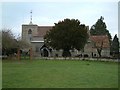
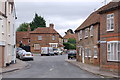
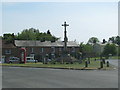
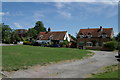
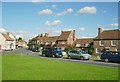
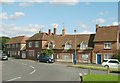
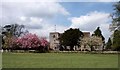

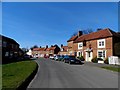
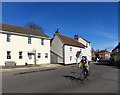
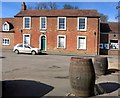
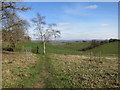
Area Information
Brill is a compact built-up area in England, spanning 36.1 hectares. Its small size contributes to a close-knit community feel, where daily life is shaped by proximity to local amenities and natural surroundings. The area’s median age of 70 suggests a population skewed toward older residents, which influences the character of the neighbourhood. Brill is not a bustling urban hub but a place where practicality and quiet living coexist. Residents benefit from excellent broadband connectivity, scoring 100 out of 100, ensuring seamless digital access. A railway station at Haddenham & Thame Parkway provides links to nearby towns, while nearby retail outlets like Asda Thame and Waitrose Thame cater to everyday needs. The presence of two schools, including a primary school and an academy with a good Ofsted rating, underscores the area’s appeal to families. Brill’s low crime risk score of 86 makes it a safe option for those prioritising security. For buyers, it offers a blend of stability, convenience, and a manageable scale, ideal for those seeking a quieter lifestyle without sacrificing access to essential services.
- Area Type
- Built Up Area 250
- Area Size
- 36.1 hectares
- Population
- Not available
- Population Density
- Not available
Living in Brill offers access to practical amenities within close proximity. The area is within reach of retail outlets such as Asda Thame, Co-op Haddenham, and Waitrose Thame, providing a range of shopping options for groceries and household needs. These stores are likely to serve both residents of Brill and nearby areas, making them convenient stops for daily errands. The railway station at Haddenham & Thame Parkway adds to the area’s connectivity, enabling travel to larger towns for additional leisure or shopping opportunities. While the data does not specify parks or leisure facilities, the compact size of Brill suggests that natural spaces may be limited, requiring residents to seek outdoor activities in nearby locations. The presence of retail and transport options contributes to a lifestyle that balances local convenience with the ability to access broader services. For those prioritising ease of access to essential services, Brill’s amenities offer a functional, if modest, complement to daily life.
Amenities
Schools
Brill is served by two schools: Brill Church of England Combined School, a primary school, and Brill Church of England School, an academy with a good Ofsted rating. The presence of both a primary and an academy provides families with options, though the data does not indicate the number of students or catchment areas. The academy’s good rating suggests a school with strong performance, which may be a key consideration for families prioritising education quality. The primary school likely caters to younger children, while the academy may offer secondary education or specialist provisions. However, without additional data on school sizes, pupil numbers, or specific subjects offered, further details cannot be provided. For parents, the combination of a primary and an academy offers a range of educational choices, though the overall capacity of the area’s schools remains unclear.
| Rank | School | Type | Entry gender | Ages |
|---|
Explore more schools in this area
Go to Schools tabDemographics
Brill’s population is predominantly older, with a median age of 70, indicating a community where retirees and long-term residents form the majority. The data does not specify household types or ethnic diversity, but the 76% home ownership rate suggests a stable, owner-occupied demographic. This figure implies that most residents are either long-term homeowners or have established roots in the area. The accommodation types and household composition are listed as “total,” meaning no breakdown is available, so generalisations are not possible. The lack of specific data on diversity or religious composition means these aspects cannot be detailed. However, the high home ownership rate and older age profile suggest a community with a strong sense of continuity. For prospective buyers, this demographic profile may influence property demand, with homes likely tailored to older occupants rather than growing families. The absence of specific figures on deprivation or diversity means these factors remain unaddressed in the context of quality of life.