Area Overview for Bridge
Photos of Bridge
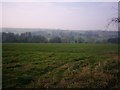
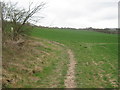
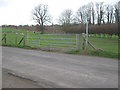
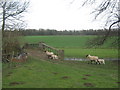
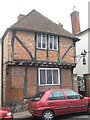
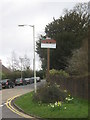
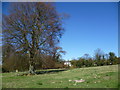
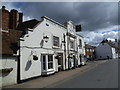
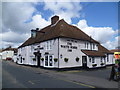
Area Information
Bridge is a compact built-up area spanning 51.2 hectares, nestled in England. Its character is shaped by a population with a median age of 70, suggesting a community skewed toward older residents. Despite this, the area maintains a practical, accessible layout, with 5 rail stations within reach, including Bekesbourne and Canterbury East. Daily life here is grounded in proximity to essential services: Sainsburys Canterbury Old, Tesco Canterbury, and Waitrose Canterbury provide retail convenience, while the nearby Bridge and Patrixbourne Church of England Primary School and Bridge Project School cater to families. The area’s safety score of 88/100 underscores its low crime risk, a key draw for those prioritising security. Bridge’s appeal lies in its balance of accessibility and tranquillity, offering a blend of mature housing stock and well-connected transport links. For buyers, it presents a chance to live in a community with a clear identity, where the older demographic coexists with modern amenities and a strong sense of local infrastructure.
- Area Type
- Built Up Area 250
- Area Size
- 51.2 hectares
- Population
- Not available
- Population Density
- Not available
Living in Bridge offers access to a range of practical amenities. The area is within reach of major retailers such as Sainsburys Canterbury Old, Tesco Canterbury, and Waitrose Canterbury, ensuring everyday shopping needs are met. The proximity to rail stations like Bekesbourne and Canterbury East adds to the area’s convenience, with frequent services connecting to larger urban centres. While the data does not mention parks or leisure facilities, the presence of multiple retail and transport hubs suggests a lifestyle focused on accessibility and ease of movement. The community’s mature demographic may influence the types of amenities available, but the existing infrastructure supports a functional, low-stress daily routine. For those who prioritise practicality over sprawling leisure options, Bridge provides a straightforward, well-served environment.
Amenities
Schools
Bridge is served by two schools: Bridge and Patrixbourne Church of England Primary School, a state-funded primary school with an Ofsted rating of ‘good’, and Bridge Project School, an independent institution. The presence of both state and private options gives families flexibility, whether they prioritise affordability or specialist education. The primary school’s ‘good’ rating indicates a reliable foundation for younger children, while the independent school may cater to those seeking alternative curricula or smaller class sizes. The mix of school types reflects Bridge’s diverse needs, though the absence of secondary schools in the data means families may need to look beyond the immediate area for secondary education. This could be a consideration for buyers with children planning long-term in the area.
| Rank | A + A* % | School | Type | Entry gender | Ages |
|---|---|---|---|---|---|
| 1 | N/A | Bridge and Patrixbourne Church of England Primary School | primary | N/A | N/A |
| 2 | N/A | Bridge Project School | independent | N/A | N/A |
Explore more schools in this area
Go to Schools tabDemographics
Bridge’s population has a median age of 70, the highest in the dataset, indicating a predominantly older community. The most common age range is listed as ‘Age: Total’, which may reflect aggregated data but highlights the absence of younger demographics. Home ownership here is robust, with 77% of households owning their homes. This suggests a stable, long-term resident base rather than a transient rental market. The accommodation type and household composition are both categorised as ‘total’, meaning no breakdown is available, but the high home ownership rate implies a mix of family homes and single-occupancy properties. The area’s demographic profile points to a mature, settled population, which may influence local services and amenities. While no specific data on diversity or deprivation is provided, the high home ownership and safety score suggest a community with relatively low economic strain, though the lack of younger residents could affect future development dynamics.
Household Size
Accommodation Type
Tenure
Ethnic Group
Religion
Household Composition
Age
Household Deprivation
NS-SEC
Explore more demographic insights in this area
Go to Demographics tabPlanning
Planning Constraints
- Crime RiskLocked