Area Overview for Bramley and Wonersh
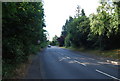
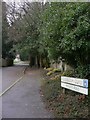
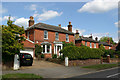
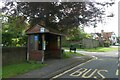
Photos of Bramley and Wonersh
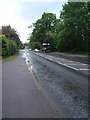
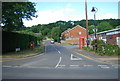
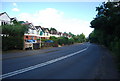
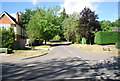
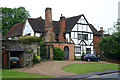
Area Information
Bramley and Wonersh is a built-up area covering 2.3 km², offering a compact residential environment for those seeking practical living space in England. The location sits within the wider Surrey region, providing a defined neighbourhood where daily life revolves around immediate local facilities and nearby transport links. This area is distinct for its established character and its role as a settled community rather than a rapidly expanding development zone. Residents appreciate the proximity to key infrastructure, particularly railway stations that connect them to Weybridge and London. The small footprint means that residents often live within a short distance of essential services, reducing the need for extensive travel into larger towns like Godalming for most daily tasks. Living in Bramley and Wonersh involves navigating a landscape where property ownership is the dominant norm, creating a stable and familiar atmosphere for long-term inhabitants. The community benefits from a high rate of home ownership, suggesting that many families have built significant local connections over decades. While the area lacks the sprawling options of a major city, its size ensures that residents do not need to travel far to reach supermarkets such as Asda Bramley or trains at Shalford Railway Station. This accessibility is a key practical feature that defines the routine of anyone choosing homes in Bramley and Wonersh. The setting remains focused on functionality, where the 2.3 km² zone serves as a convenient base for accessing the broader South East without the congestion of larger urban centres.
- Area Type
- Built Up Area 250
- Area Size
- 2.3 km²
- Population
- Not available
- Population Density
- Not available
Daily life in Bramley and Wonersh centres on practical amenities that are within easy reach of residents. For retail needs, there are five notable shopping options nearby, including the Asda Bramley, Co-op Farncombe, and Sainsburys Godalming. These supermarkets allow you to handle all your grocery and weekly shopping without venturing far from the 2.3 km² zone. The availability of three railway stations on foot or short drive provides excellent transport links, with Shalford Railway Station, Chilworth Railway Station, and Farncombe Railway Station all located near the area. These railheads connect you directly to Weybridge and, through interchange, to London services. The combination of close-by supermarkets and multiple train stations ensures that residents can manage errands and commute efficiently. You do not need to drive long distances to find essential goods, as the local convenience stores and larger supermarkets are practically accessible. This setup supports a self-sufficient lifestyle where most daily requirements are met locally. While the area is residential, the presence of these major retail chains means that budget shopping is as feasible as it is in larger towns. The five retail locations and five railway access points create a robust infrastructure for commuting and buying. Living in Bramley and Wonersh offers the comfort of knowing that your essential outlets are clustered nearby, making daily routines manageable and comfortable.
Amenities
Schools
Families considering schools near Bramley and Wonersh have several institutions available within the vicinity, including both state and independent options. The nearby schools list includes Bramley CofE Aided Infant School and Nursery, which serves primary-aged children, and Bramley CofE First School, also a primary institution offering education for older elementary students. For those seeking alternative education settings, St Catherine's School operates as an independent school, providing a non-state pathway for families who can afford such options. Special educational needs are addressed by dedicated centres such as Gosden House School and Wey House School, which provide specific support for pupils requiring tailored learning environments. This mix of primary, independent, and special schools means that residential families must plan carefully for their children's education when living in Bramley and Wonersh. The presence of two state primary schools gives local access to government-funded education, while St Catherine's offers a different curriculum and boarding possibility if required. The inclusion of special schools indicates that the local area can accommodate diverse learning needs without forcing families to travel great distances. However, secondary school options are not listed in the provided data, suggesting that older students may need to travel further for their compulsory education. Parents should verify the proximity of secondary institutions as the current list focuses exclusively on primary and special provision. The variety of school types ensures that some level of educational choice exists, though the range is limited compared to larger district towns.
| Rank | School | Type | Entry gender | Ages |
|---|
Explore more schools in this area
Go to Schools tabDemographics
The community in Bramley and Wonersh reflects a settled demographic with a median age of 70 years. This figure indicates that the population consists largely of older residents who have established deep roots in the neighbourhood. With 78% of the area showing home ownership, the social fabric is characterised by long-term dwellers rather than a transient tenant population. This high level of ownership suggests that most adults purchased their residences years ago, resulting in a stable community dynamic where neighbours often know one another well. The household composition points toward a mature society, likely comprising retirees and couples living in existing properties rather than young professionals or large families moving for work. The low proportion of renters reinforces the idea that this is a place for people who have secured their accommodation permanently. Such a demographic profile often influences local investment patterns, as homeowners tend to prioritise the maintenance of their properties and engagement in community governance. The diversity data is not provided, meaning specific details about ethnic backgrounds are not included in the current record, but the age profile clearly dominates the community character. Understanding who lives in Bramley and Wonersh requires acknowledging that the average resident is well over half a century old. This creates a quiet, predictable environment where daily life moves at a pace suited to an older generation. The 78% ownership rate is a defining statistic that shapes the culture of the area, favouring stability over mobility.
Household Size
Accommodation Type
Tenure
Ethnic Group
Religion
Household Composition
Age
Household Deprivation
NS-SEC
Explore more demographic insights in this area
Go to Demographics tabPlanning
Planning Constraints
- Crime RiskPremium