Area Overview for Bramley
Photos of Bramley
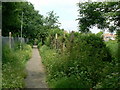
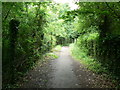
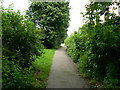
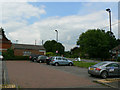
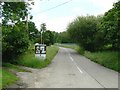
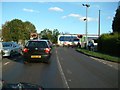
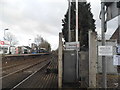
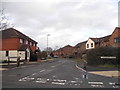
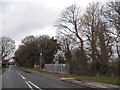
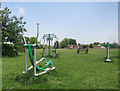
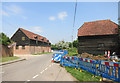
Area Information
Living in Bramley offers a distinct experience within Hampshire's built-up landscape. This town occupies just 1.4 km², creating a compact environment where daily necessities remain within easy reach. You will find that the area has rapidly transitioned in recent years, attracting younger professionals who seek affordability near Reading, Basingstoke, and the M4 corridor. Yet, the community retains a specific character defined by its demographic reality. The median age here stands at 70, indicating a village-like feel with a significant population of older residents. This mix creates a quiet atmosphere where you can hear the hum of trains at Bramley Railway Station without the chaos often found in larger counterparts. The area functions as a practical base for commuters working in neighbouring GBRP1533 areas while enjoying a lower cost of living compared to Hampshire's pricier hubs. You access major retail destinations like M&S Chineham SF and Tesco Basingstoke within a short drive, blending suburban convenience with town-space dynamics. The small footprint means designed streets and established greenery define your immediate surroundings. Property options here cater largely to those seeking stability, with over seventy per cent of homes occupied by their owners. For you, this suggests an established residential zone rather than a fluctuating development site. The environment balances local charm with the logistical benefits of being near a mainline hub, offering a lifestyle suited to those who value a slower pace without sacrificing connectivity.
- Area Type
- Built Up Area 250
- Area Size
- 1.4 km²
- Population
- Not available
- Population Density
- Not available
Your daily life in Bramley is shaped by access to practical amenities nearby. Within a short distance, you will find five rail connections, including the key depot at Bramley Railway Station itself, along with Mortimer Railway Station and Basingstoke Railway Station nearby. This rail network offers multiple routes for commuting, making travel a routine part of living here. Retail access is equally straightforward, with five major shopping locations within reach. You can easily visit M&S Chineham SF, Tesco Popley, or the extensive Tesco Basingstoke centre for groceries and household needs without a long car journey. These amenities create a lifestyle built on convenience. You do not need a car for every errand, as the train links and major supermarkets provide essential services efficiently. The variety of retail options means you have choices ranging from quick grocery stops to larger department store shopping trips. The area's small area size of 1.4 km² ensures that walking distances to these hubs remain manageable. You will find that the convenience of Tesco Basingstoke and local buses or trains integrates seamlessly into your week. Leisure and dining options are supplemented by these retail giants, which often house cafés and food courts for casual meals. Living in Bramley means balancing a quiet residential core with the vibrancy of a nearby retail and transport fringe. The presence of these specific venues like Tesco Popley and the railway stations ensures that you have everything you need close at hand.
Amenities
Schools
Education within Bramley focuses on early years and primary education, with the nearest established institution being Bramley Church of England Primary School. This school holds a 'good' rating from Ofsted, indicating a standard of education that meets national expectations. Because the area has a median age of 70, the primary school serves the younger siblings of long-term residents or incoming families rather than a dense local nursery cohort. There are no secondary schools listed in the immediate data for Bramley, which means secondary education for children would require travel to a larger neighbouring town or specialist college further away. For families deciding on locations, the presence of a 'good' rated primary school is a significant anchor. It provides a solid foundation for children's development right within the 1.4 km² bounds of the town. The singular nature of the school listing suggests that secondary options are a regional arrangement rather than a local convenience. You must plan for the commute if you have teenage children, as no senior secondary establishments appear in the current data for Bramley. However, for those with young children or expecting them, the quality of the primary option is a clear positive. The school's religious affiliation may also be a factor for some families seeking alignment with community values. Consequently, living in Bramley with school-age children requires viewing the primary school as the central educational hub, with secondary schooling accessed through the wider county network.
| Rank | A + A* % | School | Type | Entry gender | Ages |
|---|---|---|---|---|---|
| 1 | N/A | Bramley Church of England Primary School | primary | N/A | N/A |
Explore more schools in this area
Go to Schools tabDemographics
The community in Bramley is defined by a notably older resident base compared to the national average. Your neighbours are predominantly over the age of 65, with a median age of 70; this is one of the highest profiles in South East England. This age structure influences the general quietness of the area on any given weekday. House ownership rates sit at 73 per cent, placing the neighbourhood firmly in the owner-occupied bracket. This high level of tenure stability suggests that residents have long-term roots here rather than viewing the homes as temporary rentals. The household composition data reflects this mature demographic. Many families are empty-nesters or retired couples who have chosen Bramley for its accessibility and peace. While specific ethnic diversity statistics are not included in current records, the area operates with a stable, long-standing community feel. Religion breakdowns are also absent from available sources, but the presence of established institutions like Bramley Church of England Primary School indicates a faith-conscious neighbourhood history. You will find that the area lacks the transient population often seen in student towns or rapidly expanding outskirts. Instead, the population remains consistent, fostering a predictable social environment. The high ownership rate combined with the age profile creates a setting where you are likely to encounter the same residents year after year, building a sense of familiarity and local knowledge that defines life in Bramley.
Household Size
Accommodation Type
Tenure
Ethnic Group
Religion
Household Composition
Age
Household Deprivation
NS-SEC
Explore more demographic insights in this area
Go to Demographics tabPlanning
Planning Constraints
- Crime RiskLocked