Area Overview for BN21 3AL
Photos of BN21 3AL
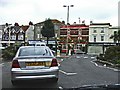
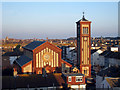
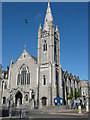
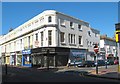

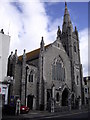
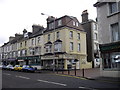
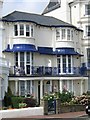
Area Information
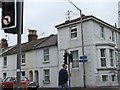
Living in BN21 3AL means inhabiting a compact residential cluster in Eastbourne’s western reaches, where history and modernity intersect. The area, part of the Meads ward, sits below the South Downs, with a population of 2,087 spread across 337 square metres. This density creates a tight-knit community, though the high population density of 6.2 million per square kilometre suggests a focus on compact living. BN21 3AL retains its historic character through Victorian and Edwardian houses, many converted into flats, preserving a coastal aesthetic. The Meads Community Association, formed in 1990, actively shapes the area’s development, resisting unsympathetic changes. Residents benefit from proximity to Eastbourne’s amenities, including the 1903 historic omnibus route from the railway station. Daily life here blends coastal charm with practical urban living, where the past is preserved but the present remains functional. For buyers, BN21 3AL offers a mix of heritage and convenience, though its small size means the surrounding areas are key for broader connectivity.
- Area Type
- Postcode
- Area Size
- 337 m²
- Population
- Not available
- Population Density
- Not available
The property market in BN21 3AL is characterised by a low home ownership rate (34%) and a prevalence of flats, reflecting its origins as a 19th-century residential development. This suggests the area is more of a rental market than an owner-occupied one, with many properties likely managed by landlords or housing associations. The conversion of Victorian and Edwardian houses into flats has preserved the area’s historic architecture while adapting it to modern needs. For buyers, this means limited opportunities for traditional home ownership, though flats may offer affordability in a compact, well-serviced area. The small size of BN21 3AL means the immediate surroundings—such as nearby Eastbourne—are critical for additional housing options. The Meads Conservation Area, with its 1894 artisans’ villas, adds value through heritage, but buyers should consider the area’s density and the dominance of rental stock when assessing long-term investment potential.
House Prices in BN21 3AL
No properties found in this postcode.
Energy Efficiency in BN21 3AL
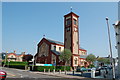
Life in BN21 3AL is enriched by accessible amenities, from retail to leisure. The area’s five retail spots include Tesco Eastbourne, Co-op Eastbourne, and M&S Eastbourne, offering convenience for daily shopping. Parks and green spaces are central to the lifestyle, with Helen Garden (1935) featuring Italianate pergolas and treetop walks, and the Peace Garden (2018) serving as a WWII memorial. St John’s Bowling Club (1936) provides sea-view recreation, while Meads Village Allotments offer community gardening. The Meads Conservation Area, with its 1894 artisans’ villas, adds cultural value. The historic All Saints Church (1879) and South Cliff Tower (1966) contribute to the area’s character. Residents benefit from a blend of heritage and practicality, with amenities within practical reach. The compact size means the surrounding Eastbourne is key for broader leisure options, but the immediate environment offers sufficient variety for daily life.
Amenities
Schools
| Rank | School | Type | Entry gender | Ages |
|---|
Explore more schools in this area
Go to Schools tabDemographics
BN21 3AL’s population skews towards adults aged 30–64, with a median age of 47. This suggests a mature, stable community, likely centred on families or professionals in their prime earning years. Home ownership here is low, with only 34% of residents owning their homes, indicating a rental-dominated market. The accommodation type is predominantly flats, a legacy of 19th-century development by the 7th Duke of Devonshire, which prioritised multi-unit housing. The predominant ethnic group is White, though specific diversity metrics are not provided. The area’s high population density—over six million per square kilometre—reflects its compact nature, which may impact living space per person. While this density supports local amenities, it also means residents must rely on nearby areas for broader services. The age profile suggests a community focused on long-term stability, with potential for intergenerational living or downsizing.
Household Size
Accommodation Type
Tenure
Ethnic Group
Religion
Household Composition
Age
Household Deprivation
NS-SEC
Explore more demographic insights in this area
Go to Demographics tabPlanning
Planning Constraints
- Flood RiskPremium
- Ramsar Wetland SitesPremium
- Area of Outstanding Natural BeautyPremium
- Protected Nature ReservePremium
- Protected WoodlandPremium