Area Overview for Berkshire
Photos of Berkshire
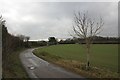


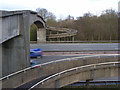
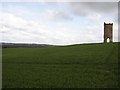
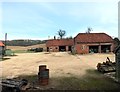
Area Information
Berkshire occupies a significant stretch of South East England, covering an area of 1264.7 km². Known as the Royal County, this region stretches along the valleys of the middle Thames and its tidal tributary, the Kennet. The county sits approximately at coordinates 51.450448433908605, -1.0723311799338429, situated near Newbury in West Berkshire. While it was historically bordered to the north by the River Thames, modern administrative boundaries define it by six distinct unitary authorities. These include Bracknell Forest, Reading, Slough, Windsor and Maidenhead, West Berkshire, and Wokingham. Significant boundary changes in 1974 and 1998 abolished the county council, giving rise to this current structure of unitary authorities. You will find that landmarks such as Windsor Castle dominate the landscape, having been constructed after the Norman Conquest post-1066. Eton College also stands as a historic institution, endowed by Henry VI and dating partly from the 15th century. This setting appeals to those seeking a location with deep historical roots. Living in Berkshire means residing in a region defined by its ceremonial status and geographical position within the Thames valley. The area offers proximity to major royal residences and educational institutions that shape its identity. You can explore sites like Reading Gaol or Abingdon Abbey while enjoying the natural features of the Thames. The community profile in Berkshire reveals an older population compared to many other parts of the UK. The median age stands at 70 years old, indicating a demographic that is significantly mature. Most residents fall into the broad 'Total' age grouping, reflecting this consistent older trend across the county. Home ownership is widespread, with 64% of households owning their homes outright or with a mortgage. This high rate of ownership suggests stability for many families within the region. Accommodation types vary across the six unitary authorities, from the urban density of Reading to the more rural settings of West Berkshire. The predominant ethnic group and religious affiliations are generally reported as totals for the county, meaning specific breakdowns by locality are not detailed in current surveys. Despite the mature age profile, you will find established communities where long-term residents form the backbone of society. The 64% home ownership ratio implies that rental markets exist but are secondary to owner-occupied housing. You should expect a neighbourhood environment that caters to established households. Deprivation levels are not explicitly quantified in the available data, but the high ownership percentage often correlates with residential stability. Living here meansjoining a community where over two-thirds of residents possess a stake in their local homes. The property market in Berkshire is heavily skewed towards owner-occupied housing. You will find that 64% of households own their accommodation, creating a market distinct from the capital where private renting is more common. This high figure signals a region where residents have settled deeply into their communities. The remaining portion of the housing stock consists of private and social rental properties, though specific ratios between these two are not detailed in the current data. Accommodation types span the diversity of the county, ranging from properties near Windsor to homes located in the northern border areas. As a prospective buyer, you may encounter a mix of family-sized homes and residences suitable for smaller households or those approaching retirement. The unitary authority structure influences property types, with some areas offering more commercial spaces alongside residential units. Reading Gaol and Eton College shaped the historical development of certain zones, leaving a legacy of varied housing stock. When viewing homes in Berkshire, you will see properties that reflect long-term ownership rather than transient tenancies. The market stability suggested by 64% ownership means sellers are often either moving to smaller properties or downsizing. You should approach your search with the expectation of finding substantial homes rather than temporary units. Digital connectivity forms a vital part of daily life for residents moving to Berkshire. Your mobile network quality scores highly, achieving a mobile coverage score of 79 out of 100. This rating places the area in the upper tier for network reliability, ensuring you stay connected during business calls or personal communication. With a score this high, living in Berkshire offers robust support for remote working arrangements. You will experience minimal interruption to your internet usage, which is crucial if you work from home regularly. Broadband speeds and capabilities are expected to match this strong mobile performance, although specific broadband scores are not listed in the current data. For daily internet use, including streaming and video conferencing, the infrastructure supports a broad range of activities without significant lag. The region's connectivity ensures that geographical distance from London does not impair your digital workflow. Whether you reside near the Thames valley or in the more rural sections of West Berkshire, you maintain fast connection to global networks. This reliable connectivity reinforces the area's suitability for professionals who require constant online access. What is the typical age profile of people living in Berkshire?The community is notably older than the national average, with a median age of 70 years. Most residents fall into general age categories rather than young professional demographics. You should expect a quieter, more settled neighbourhood environment where stability and long-term residence are common among the population.Is Berkshire primarily an owner-occupied area or a rental market?The area is predominantly owner-occupied, with 64% of households owning their homes. This high rate indicates a stable housing stock where most residents have secured their property. While rental options exist, the market feels more geared towards buyers looking to settle permanently rather than short-term tenants.How good is the mobile network in Berkshire for working from home?You can expect strong connectivity with a mobile coverage score of 79 out of 100. This high rating supports reliable remote working and ensures you remain connected for business calls. The infrastructure provides excellent service levels for residents across the unitary authorities, making it a practical choice for professionals.Which towns or cities make up the county of Berkshire?The county comprises six unitary authorities including Reading, Windsor and Maidenhead, and West Berkshire. Newbury lies near the county coordinates, while Slough, Bracknell Forest, and Wokingham also form key parts of the region. These areas offer a mix of urban and rural living options within the Royal County.Are there specific historical landmarks I can access while living in Berkshire?Residents enjoy proximity to major sites such as Windsor Castle, Eton College, and Reading Gaol. You can also visit historic locations like Abingdon Abbey and Donnington Castle. These landmarks define the county's heritage, offering rich cultural experiences just a short drive from your new home in Berkshire.
- Area Type
- Ceremonial Counties Region
- Area Size
- 1264.7 km²
- Population
- Not available
- Population Density
- Not available
Demographics
The community profile in Berkshire reveals an older population compared to many other parts of the UK. The median age stands at 70 years old, indicating a demographic that is significantly mature. Most residents fall into the broad 'Total' age grouping, reflecting this consistent older trend across the county. Home ownership is widespread, with 64% of households owning their homes outright or with a mortgage. This high rate of ownership suggests stability for many families within the region. Accommodation types vary across the six unitary authorities, from the urban density of Reading to the more rural settings of West Berkshire. The predominant ethnic group and religious affiliations are generally reported as totals for the county, meaning specific breakdowns by locality are not detailed in current surveys. Despite the mature age profile, you will find established communities where long-term residents form the backbone of society. The 64% home ownership ratio implies that rental markets exist but are secondary to owner-occupied housing. You should expect a neighbourhood environment that caters to established households. Deprivation levels are not explicitly quantified in the available data, but the high ownership percentage often correlates with residential stability. Living here meansjoining a community where over two-thirds of residents possess a stake in their local homes. The property market in Berkshire is heavily skewed towards owner-occupied housing. You will find that 64% of households own their accommodation, creating a market distinct from the capital where private renting is more common. This high figure signals a region where residents have settled deeply into their communities. The remaining portion of the housing stock consists of private and social rental properties, though specific ratios between these two are not detailed in the current data. Accommodation types span the diversity of the county, ranging from properties near Windsor to homes located in the northern border areas. As a prospective buyer, you may encounter a mix of family-sized homes and residences suitable for smaller households or those approaching retirement. The unitary authority structure influences property types, with some areas offering more commercial spaces alongside residential units. Reading Gaol and Eton College shaped the historical development of certain zones, leaving a legacy of varied housing stock. When viewing homes in Berkshire, you will see properties that reflect long-term ownership rather than transient tenancies. The market stability suggested by 64% ownership means sellers are often either moving to smaller properties or downsizing. You should approach your search with the expectation of finding substantial homes rather than temporary units. Digital connectivity forms a vital part of daily life for residents moving to Berkshire. Your mobile network quality scores highly, achieving a mobile coverage score of 79 out of 100. This rating places the area in the upper tier for network reliability, ensuring you stay connected during business calls or personal communication. With a score this high, living in Berkshire offers robust support for remote working arrangements. You will experience minimal interruption to your internet usage, which is crucial if you work from home regularly. Broadband speeds and capabilities are expected to match this strong mobile performance, although specific broadband scores are not listed in the current data. For daily internet use, including streaming and video conferencing, the infrastructure supports a broad range of activities without significant lag. The region's connectivity ensures that geographical distance from London does not impair your digital workflow. Whether you reside near the Thames valley or in the more rural sections of West Berkshire, you maintain fast connection to global networks. This reliable connectivity reinforces the area's suitability for professionals who require constant online access. What is the typical age profile of people living in Berkshire?The community is notably older than the national average, with a median age of 70 years. Most residents fall into general age categories rather than young professional demographics. You should expect a quieter, more settled neighbourhood environment where stability and long-term residence are common among the population.Is Berkshire primarily an owner-occupied area or a rental market?The area is predominantly owner-occupied, with 64% of households owning their homes. This high rate indicates a stable housing stock where most residents have secured their property. While rental options exist, the market feels more geared towards buyers looking to settle permanently rather than short-term tenants.How good is the mobile network in Berkshire for working from home?You can expect strong connectivity with a mobile coverage score of 79 out of 100. This high rating supports reliable remote working and ensures you remain connected for business calls. The infrastructure provides excellent service levels for residents across the unitary authorities, making it a practical choice for professionals.Which towns or cities make up the county of Berkshire?The county comprises six unitary authorities including Reading, Windsor and Maidenhead, and West Berkshire. Newbury lies near the county coordinates, while Slough, Bracknell Forest, and Wokingham also form key parts of the region. These areas offer a mix of urban and rural living options within the Royal County.Are there specific historical landmarks I can access while living in Berkshire?Residents enjoy proximity to major sites such as Windsor Castle, Eton College, and Reading Gaol. You can also visit historic locations like Abingdon Abbey and Donnington Castle. These landmarks define the county's heritage, offering rich cultural experiences just a short drive from your new home in Berkshire.