Area Overview for Barcombe
Photos of Barcombe
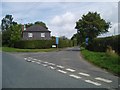
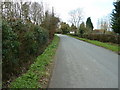
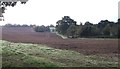
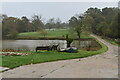
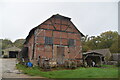
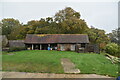
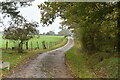
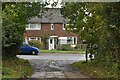
Area Information
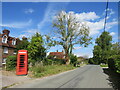
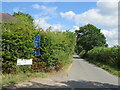
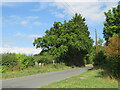
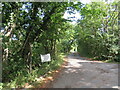
Barcombe is a rural civil parish in the Lewes District of East Sussex, covering an area of 17.8 km². It sits approximately 10 km north-west of Lewes and comprises four distinct settlements: Old Barcombe, Barcombe Cross, Spithurst, and Barcombe Mills. Centred around the postcode area BN8 4TL, the parish is defined by its quiet, backwater atmosphere and proximity to the River Ouse. History books record the first mention of the village as Berchamp in the Domesday Book of 1086, noting the presence of 26 households, ploughlands, and three mills at that time. Today, the main village hub at Barcombe Cross expanded significantly after the railway line opened in 1839, though the station is now closed. The area today feels predominantly agricultural, with farmhouses, old houses, woods, and farms clustered around crossroads. You will find notable local landmarks including Shelley's Folly, a historic house built in 1686, and St Mary's Church in the oldest settlement. The parish supplies 2,000 acres of the Sutton Hall Estate near Spithurst and features waterside attractions at Barcombe Mills, which operates as a local nature reserve and peaceful hamlet. Living in Barcombe offers a connection to history and nature within a compact civil parish boundary.
- Area Type
- Parish
- Area Size
- 17.8 km²
- Population
- Not available
- Population Density
- Not available
Demographics
Life in Barcombe suits those seeking retirement or a quiet settled existence. The median age for residents is 70, indicating that the population is significantly older than the national average. This demographic profile suggests a community dominated by older adults rather than young families or commuters. Specifically, age group data identifies 'Age: Total' as the most common range, reinforcing the high median figure. A strong sense of community longevity is evident with a home ownership level of 69%. This high percentage means the vast majority of people in Barcombe live in properties they own outright or have a significant mortgage, rather than renting. Such high ownership figures are typical of established rural areas where lifetime savings accumulate. You will find a population that has likely lived in their homes for decades, contributing to the stable, unchanging feel of the village. Beyond age and ownership, the parish maintains its rural character without forced diversification. The demographic data does not highlight specific ethnic or religious percentages, focusing instead on the socio-economic reality of an owner-dominated, elderly-resident community. Living in Barcombe means joining a demographic of stable, long-term settled residents who value independence over transient urban life.
Household Size
Accommodation Type
Tenure
Ethnic Group
Religion
Household Composition
Age
Household Deprivation
NS-SEC
Explore more demographic insights in this area
Go to Demographics tabPlanning
Planning Constraints
- Flood RiskPremium
- Ramsar Wetland SitesPremium
- Area of Outstanding Natural BeautyPremium
- Protected Nature ReservePremium
- Protected WoodlandPremium
- Crime RiskPremium