Area Overview for Whittle-le-Woods
Photos of Whittle-le-Woods
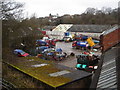
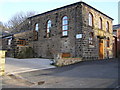
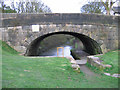
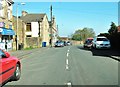
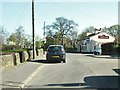
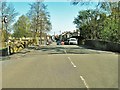
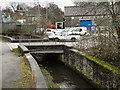
Area Information
Whittle-le-Woods is a small built-up area in England, covering just 1.3 km². Its compact size means it feels intimate, with a quiet, rural character that contrasts with larger towns. The area’s population is predominantly older, with a median age of 70, suggesting a community shaped by long-term residents. Daily life here is likely to be slow-paced, with a focus on local amenities and proximity to nearby towns. The area’s proximity to Chorley and its railway stations makes it accessible for commuters, while the presence of schools and shops within walking distance supports a self-contained lifestyle. For those seeking a peaceful, low-density environment, Whittle-le-Woods offers a blend of simplicity and practicality. Its small size means residents are likely to know their neighbours, and the area’s safety profile—rated as low crime risk—adds to its appeal. Living here might suit those prioritising tranquillity over urban convenience, with a strong emphasis on local community ties and ease of access to nearby services.
- Area Type
- Built Up Area 250
- Area Size
- 1.3 km²
- Population
- Not available
- Population Density
- Not available
The lifestyle in Whittle-le-Woods is defined by simplicity and proximity to essential services. Local retail options include a Co-op in Chorley, a Spar Mercury, and an Aldi in Buckshaw, offering basic groceries and household items. The area’s railway stations—Buckshaw Parkway, Euxton Balshaw Lane, and Chorley—provide easy access to nearby towns for more varied shopping or dining. While the data does not mention parks or leisure facilities, the low crime risk and quiet environment suggest a focus on peaceful, community-oriented living. Residents may rely on nearby towns for entertainment, but the area’s compact nature ensures daily needs are met without long commutes. The presence of schools and a mix of retail and transport options creates a functional, if unadorned, lifestyle suited to those prioritising practicality over urban vibrancy.
Amenities
Schools
Residents of Whittle-le-Woods have access to two notable schools within practical reach. Whittle-le-Woods Church of England Primary School provides primary education and holds a good Ofsted rating, indicating a reliable foundation for younger children. Nearby, Waterloo Lodge offers specialist education with a similarly good Ofsted rating, catering to students with specific needs. The presence of both a primary school and a special needs school suggests a range of educational options for families, though the data does not mention secondary schools. This mix may appeal to parents seeking tailored support for their children, though the absence of further schools means families may need to travel to nearby towns for secondary education. The quality of these institutions, combined with the area’s safety profile, could be a key selling point for families prioritising education.
| Rank | A + A* % | School | Type | Entry gender | Ages |
|---|---|---|---|---|---|
| 1 | N/A | Whittle-le-Woods Church of England Primary School | primary | N/A | N/A |
| 2 | N/A | Waterloo Lodge | special | N/A | N/A |
Explore more schools in this area
Go to Schools tabDemographics
The population of Whittle-le-Woods has a median age of 70, indicating a community skewed towards older adults. This suggests a demographic where retirement is prevalent, with many residents likely to be retired or nearing retirement. Home ownership is high, at 82%, which aligns with the area’s older population and suggests a stable, long-term resident base. The accommodation types and household composition are not specified, but the high ownership rate implies a predominance of owner-occupied homes rather than rental properties. The data does not provide details on ethnic diversity or religious composition, but the absence of specific figures means the community’s social fabric remains unquantified. For quality of life, the low crime risk and access to essential services like schools and retail suggest a manageable living environment, though the older demographic may influence local amenities and social dynamics.
Household Size
Accommodation Type
Tenure
Ethnic Group
Religion
Household Composition
Age
Household Deprivation
NS-SEC
Explore more demographic insights in this area
Go to Demographics tabPlanning
Planning Constraints
- Crime RiskLocked