Area Overview for Wharton
Photos of Wharton
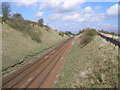
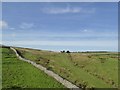
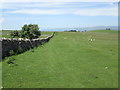
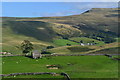
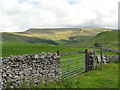
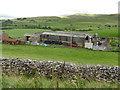
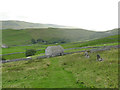
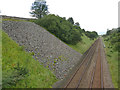
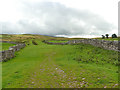
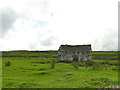
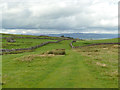
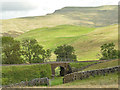
Area Information
Wharton is a civil parish covering 6.1 km². The landscape defines daily life here, offering a space where residents enjoy a clear boundary between home and nature. Living in Wharton means navigating an environment free from major planning constraints like Ramsar wetlands or Areas of Outstanding Natural Beauty. However, the area does contain protected nature reserves, which shape development limits and preserve local ecology. This balance creates a setting where quietude remains a priority, yet environmental stewardship is active. You will find the community distinct from fast-paced urban centres due to its administrative status and geographical scope. The area size allows for a sense of openness that many towns struggle to maintain. Prospective buyers should note that while specific population figures are not listed, the demographic profile suggests a settlement accustomed to slower rhythms. The absence of protected woodland or high flood risk zones offers practical advantages for those seeking security and straightforward building conditions. Wharton presents a case study of how managed nature coexists with residential life. Homes in Wharton benefit from this stability, avoiding the complications often associated with heavier conservation designations.
- Area Type
- Parish
- Area Size
- 6.1 km²
- Population
- Not available
- Population Density
- Not available
Demographics
The community in Wharton reflects a settled population with a median age of 70. This figure indicates a retired demographic where residents have likely long-term ties to the parish. Eighty-two percent of households own their homes, a rate that signals significant stability within the local economy. This high level of home ownership shapes the social fabric, fostering a neighbourhood where investment is local and decisions are made by long-term residents. Household composition and accommodation type data confirm this trend, showing that most residents live in properties they manage themselves. You will find few transient populations, which contributes to a quiet, predictable environment. The age profile suggests that daily life is oriented around leisure and community engagement rather than commutes. Deprivation metrics are not included in the available records, so the focus remains on the strong property market and the established nature of the village. The community feels rooted, with the 82% ownership rate acting as a strong indicator of commitment to the area. Living in Whattan involves participating in a mature society where generational knowledge of the parish prevails.
Household Size
Accommodation Type
Tenure
Ethnic Group
Religion
Household Composition
Age
Household Deprivation
NS-SEC
Explore more demographic insights in this area
Go to Demographics tabPlanning
Planning Constraints
- Flood RiskPremium
- Ramsar Wetland SitesPremium
- Area of Outstanding Natural BeautyPremium
- Protected Nature ReservePremium
- Protected WoodlandPremium
- Crime RiskPremium