Area Overview for Walney Island Ward
Photos of Walney Island Ward
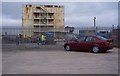
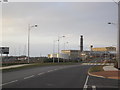
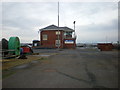
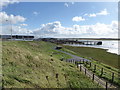
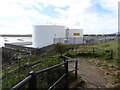
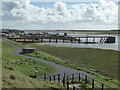
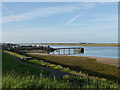
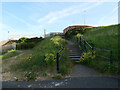
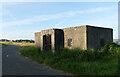
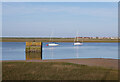
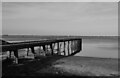
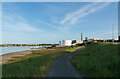
Area Information
Walney Island Ward occupies a distinctive position off the coast of Barrow-in-Furness in Cumbria. This electoral ward encompasses Walney Island, a tidal landmass covering an area of 38.3 km². You are connecting to a community of 8,831 residents across this historic space. The island has been part of the Furness Peninsula since the last glacial period formed the land at the mouth of the River Duddon. A bascule bridge known as the Jubilee Bridge, which opened in 1908, provides the primary link to the mainland. Daily life here balances coastal heritage with modern connectivity. The ward evolved from a historical subdivision of Hawcoat before becoming part of Barrow-in-Furness County Borough in 1872. You are looking at a neighbourhood where Neolithic evidence in the dunes coexists with industrial history dating back to the 19th-century docks. The atmosphere is shaped by the island's gradual isolation and its strong ties to shipbuilding. Residents live in a setting that includes protected nature reserves and Ramsar wetland sites. This ward does not contain Areas of Outstanding Natural Beauty, but it retains significant planning constraints due to its ecological value. You are considering homes in an area where the past defines the present, from the abandoned docks in Vickerstown to the working coastline.
- Area Type
- District Borough Unitary Ward
- Area Size
- 38.3 km²
- Population
- 8831
- Population Density
- 230 people/km²
Demographics
The community structure in Walney Island Ward tells a clear story through its official statistics. The median age across the ward reaches 70 years. By comparison, the national median age in England is significantly lower at 40. This demographic profile indicates a community dominated by older residents. Almost three-quarters of local people are 65 years of age or over. Home ownership stands at 79% within the ward. This high rate suggests that most accommodation is held by those who live there permanently rather than by tenants. You are entering a market where stability is the norm. The data does not break down accommodation types or predominant ethnic groups in the provided figures. Instead, the population density gives you a clearer picture of living space. The area supports 230 people per square kilometre. This density is moderate for an island setting and allows for quiet neighbourhoods. You are looking at a location where community bonds are likely strong due to shared age and long-term residence. The household composition data is summarised as total but supports the picture of established families and individuals living in owner-occupied properties.
Household Size
Accommodation Type
Tenure
Ethnic Group
Religion
Household Composition
Age
Household Deprivation
NS-SEC
Explore more demographic insights in this area
Go to Demographics tabPlanning
Planning Constraints
- Flood RiskPremium
- Ramsar Wetland SitesPremium
- Area of Outstanding Natural BeautyPremium
- Protected Nature ReservePremium
- Protected WoodlandPremium
- Crime RiskPremium