Area Overview for Threapwood
Photos of Threapwood

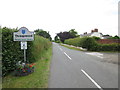

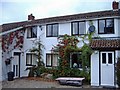
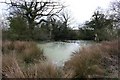
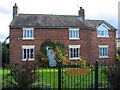

Area Information
Threapwood is a built-up area in England covering 35 hectares, blending residential spaces with practical amenities. With a median age of 70, the community here reflects a mature demographic, suggesting a settled population with established roots. The area’s compact size means residents can access essential services within walking or short driving distance, fostering a self-contained lifestyle. Home ownership is high, at 80%, indicating a strong presence of long-term residents. While the data does not specify the exact types of housing, the area’s character likely includes a mix of traditional properties suited to its demographic profile. Nearby, retail options such as Co-op Malpas, Co-op Wrexham, and Spar provide daily conveniences, reinforcing the area’s practical appeal. For those considering living in Threapwood, the combination of a stable community, accessible amenities, and a compact footprint offers a straightforward, no-frills living experience.
- Area Type
- Built Up Area 250
- Area Size
- 35.0 hectares
- Population
- Not available
- Population Density
- Not available
Residents of Threapwood have access to a modest selection of retail amenities within practical reach, including Co-op Malpas, Co-op Wrexham, and Spar. These stores provide essentials like groceries and household items, supporting a convenient, low-maintenance lifestyle. While the area lacks detailed information on leisure or recreational facilities, the presence of multiple retail options suggests a focus on daily practicality over expansive leisure opportunities. The compact nature of Threapwood means residents can meet most of their needs locally, reducing the necessity for long commutes. For those valuing simplicity and accessibility, the area’s amenities align with a straightforward, community-oriented way of life.
Amenities
Schools
| Rank | A + A* % | School | Type | Entry gender | Ages |
|---|
Explore more schools in this area
Go to Schools tabDemographics
Threapwood’s population is predominantly older, with a median age of 70, reflecting a community shaped by long-term residents rather than younger families. The most common age range is listed as “Total,” which likely aggregates all age groups but underscores the absence of detailed generational breakdowns. Home ownership is high at 80%, suggesting a lack of rental properties and a focus on private residences. The data does not specify household composition or accommodation types, but the high ownership rate implies a stable, less transient population. The area’s demographics do not include details on ethnic diversity or religious composition, but the figures provided highlight a community prioritising continuity over change. This profile may appeal to those seeking a quiet, established neighbourhood with minimal turnover.