Area Overview for The Bank
Photos of The Bank
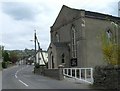







Area Information
Living in The Bank offers a distinct blend of compact urban living and practical accessibility. Covering 29.2 hectares, this built-up area in England is characterised by its mature demographic profile, with a median age of 70. The community here is predominantly composed of older residents, many of whom are likely to have lived in the area for decades. Daily life is shaped by proximity to essential services, including five retail outlets such as Morrisons Daily Scholar and Tesco Stoke, and five railway stations, including Kidsgrove and Alsager. These amenities make The Bank a convenient choice for those prioritising ease of access to shopping, transport, and local infrastructure. While the area’s size is modest, it is well-served by connectivity options, including a mobile network score of 83, which supports reliable communication. The Bank’s appeal lies in its simplicity: a place where older residents can maintain independence through nearby services and transport links, without the need for long commutes. For buyers, it is a niche market with a clear identity, though its character is defined more by practicality than grandeur.
- Area Type
- Built Up Area 250
- Area Size
- 29.2 hectares
- Population
- Not available
- Population Density
- Not available
The Bank’s lifestyle is defined by its proximity to essential amenities, making daily life convenient for residents. Within practical reach are five retail outlets, including Morrisons Daily Scholar, Co-op Whitehill, and Tesco Stoke, ensuring access to groceries, household goods, and other necessities. These stores cater to both routine shopping and occasional needs, supporting a self-sufficient lifestyle. The area’s railway stations—Kidsgrove, Alsager, and Congleton—offer regular services, enabling easy travel to nearby towns for work, leisure, or socialising. While the area lacks detailed data on parks or leisure facilities, the presence of multiple retail and transport hubs suggests a focus on practicality over recreation. For older residents, this setup minimises the need for long trips, allowing them to manage errands and social engagements locally. The Bank’s amenities are straightforward and functional, prioritising accessibility over variety, which may appeal to those who value simplicity and reliability in their daily routines.
Amenities
Schools
| Rank | School | Type | Entry gender | Ages |
|---|
Explore more schools in this area
Go to Schools tabDemographics
The Bank’s population is overwhelmingly composed of individuals aged 70 and above, with the median age reflecting a community that is notably older than the national average. This demographic profile suggests a population that is largely retired or semi-retired, with household compositions likely to be single occupants or couples. Home ownership is high, at 76%, indicating that most residents live in properties they own rather than renting. The accommodation types are not specified, but the data implies a mix of housing stock that caters to older adults, potentially including semi-detached homes or flats. The area’s demographic makeup does not provide specific details on ethnic or religious diversity, but the absence of notable disparities in these categories suggests a homogenous community. The high home ownership rate and age profile suggest a stable, low-turnover environment where residents may have long-term ties to the area. This stability can be a double-edged sword: while it fosters familiarity, it may limit opportunities for younger families or those seeking a more dynamic social landscape.
Household Size
Accommodation Type
Tenure
Ethnic Group
Religion
Household Composition
Age
Household Deprivation
NS-SEC
Explore more demographic insights in this area
Go to Demographics tabPlanning
Planning Constraints
- Crime RiskPremium