Area Overview for Tameside District (B)
Photos of Tameside District (B)
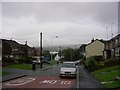
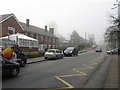

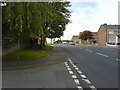
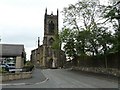
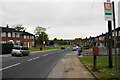
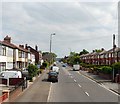
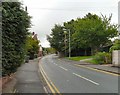
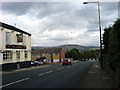
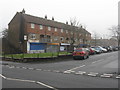
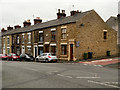
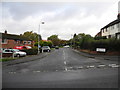
Area Information
Living in Tameside District (B) places you within a metropolitan borough covering 103.2 km² in eastern Greater Manchester. The district is named after the River Tame, which flows through it to the River Mersey. You will find yourself at the heart of the region's second largest regional centre, situated mid-way between Manchester and the Pennines. The landscape shifts from flat lowlands in the west to highlands, open moorland, and river valleys in the east. This variation creates an attractive place to live that combines varied urban and rural settings. The area functions as a thriving regional hub serving nine distinct towns, with Ashton-under-Lyne acting as the administrative centre. Alongside this are Hyde, Audenshaw, Droylsden, Dukinfield, Denton, Stalybridge, Mossley, and Longdendale. Historical roots run deep here, with Ashton-under-Lyne operating as a market town for over 700 years and Mottram dating back to Norman times. The rich history is visible in over 300 listed buildings and Scheduled Ancient Monuments such as Buckton Castle. Today, the community is defined by bustling markets, national brass band competitions, and the Tameside Music Festival, balancing industrial heritage with modern recreational pursuits.
- Area Type
- District/Borough
- Area Size
- 103.2 km²
- Population
- Not available
- Population Density
- Not available
Demographics
The community residing in Tameside District (B) skews significantly older than the national average. The median age stands at 70 years, placing the majority of residents in the older demographic. This age profile suggests a neighbourhood where life moves at a different pace compared to younger city centres. Regarding property tenure, home ownership is strong in the area, with 61% of households owning their properties outright or with a mortgage. This figure indicates a community where residents have settled roots rather than transient populations. Household composition and accommodation type data reflect a stable resident base that has remained in the district for generations. The population has seen growth, rising to 239,643 as of 2024 from 231,073 in 2021, driven partly by the expansion of the area over its 103.2 km² footprint. While specific breakdowns for ethnicity and religion are not detailed in the current dataset, the historical context of Norman and Tudor development suggests a long-established local culture. The high proportion of owners implies that investments in the area are likely to be stable, as long-term residents maintain their homes through economic fluctuations. When evaluating homes in Tameside, you are looking at an area where life stages centre on retirement and established living.
Household Size
Accommodation Type
Tenure
Ethnic Group
Religion
Household Composition
Age
Household Deprivation
NS-SEC
Explore more demographic insights in this area
Go to Demographics tabPlanning
Planning Constraints
- Flood RiskPremium
- Ramsar Wetland SitesPremium
- Area of Outstanding Natural BeautyPremium
- Protected Nature ReservePremium
- Protected WoodlandPremium