Area Overview for Rosegrove with Lowerhouse Ward
Photos of Rosegrove with Lowerhouse Ward
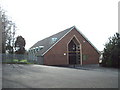
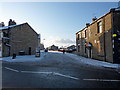

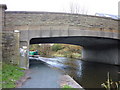
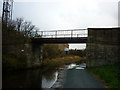
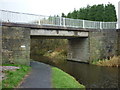
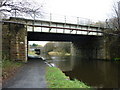
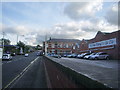
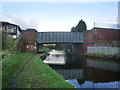
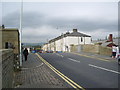
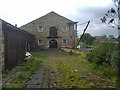
Area Information
Living in Rosegrove with Lowerhouse Ward offers a distinct experience within the Borough of Burnley. This district borough unitary ward sits in Lancashire, North West England, covering a small footprint of just 2.4 km². You are situated in a historic part of the town, historically linked to the manor of Ightenhill and the Honor of Clitheroe. Your daily life here is shaped by unique industrial architecture, specifically the Empire Mill and Imperial Mill located along Liverpool Road. These historic buildings feature moulded brick window heads, coping, and shaped gables, having transitioned from industrial use to retail and residential spaces over the last thirty years. While the site ceased heavy industry operations decades ago, the structures remain prominent landmarks within the parish, which includes postal areas such as BB12 6HH and BB12 6EY. Expect a setting that blends modern adaptation with preserved heritage characteristics. The area provides a contained environment where the past and present coexist within a compact boundary. You find yourself in a location defined by specific postal codes rather than a broad urban sprawl, making it a precise choice for buyers seeking a defined locality within Burnley. ### The community in Rosegrove with Lowerhouse Ward reflects a mature population profile. You will find that the median age of residents is 70, indicating a area dominated by older demographics. This statistic suggests that neighbourhood dynamics prioritize quiet living or support for older age groups. Approximately 56% of households reside in owner-occupied homes, which establishes a stable, long-term resident base. The remaining households consist of those renting or sharing properties, though specific breakdowns for single versus joint occupancy are not detailed in current records. The demographic data highlights that the "Age: Total" range is the most common category currently recorded. There is no specific information available regarding the breakdown of predominant ethnic groups, religious affiliations, or detailed household composition beyond the ownership split. This data gap means you cannot assess diversity levels with precision. However, the high rate of home ownership suggests residents are deeply embedded in their local environment. When considering living in Rosegrove with Lowerhouse Ward, you must accept that the population skew toward the elderly shapes the general atmosphere and services available to you. ### The property market in Rosegrove with Lowerhouse Ward is characterized by substantial owner occupation. You will see that 56% of accommodation consists of owner-occupied homes. This figure indicates a market where stability and self-funded purchasing are the norm rather than short-term tenancy or prolific development. The remaining 44% of households comprise rented properties or other forms of accommodation, though the specific mix of social housing, private rental, or shared ownership is not specified. You are looking at a housing stock that largely serves long-term residents. The Census data does not provide a detailed inventory of building types, such as the number of semis versus flats, or the proportion of terraced housing versus detached homes. Without this granular breakdown, you cannot determine if the area is primarily an end-of-terrace neighbourhood or one with modern blocks. Your focus should be on the stability provided by the owner-occupied percentage. When buying homes in Rosegrove with Lowerhouse Ward, expect a market driven by individuals who have settled in the borough for the long term. This contrasts with areas dominated by transient rental populations. ### Digital connectivity in Rosegrove with Lowerhouse Ward is exceptionally strong. You will receive a fixed broadband quality score of 92, which ranks among the highest available in the region on a scale of 0 to 100. This rating signifies excellent internet performance suitable for heavy usage, remote working, or streaming high-definition content without interruption. For residents relying on high-speed connections for their daily routines, this ward provides a robust digital foundation. The area is well-positioned for modern digital lifestyles. You do not need to worry about slow downloads or network instability in this specific district. This level of connectivity supports working from home effectively, aligning with the needs of the mature demographic living here. Mobile network coverage is not explicitly scored in the available data, but the broadband performance indicates a modern infrastructure capable of supporting current technology demands. Living in Rosegrove with Lowerhouse Ward means you have access to reliable internet services that meet the standards of a 2024 urban environment. ### Safety assessments for Rosegrove with Lowerhouse Ward reveal a mixed picture regarding environmental and social risks. The ward passes all environmental planning constraint checks, which means there are no protected nature reserves, protected woodlands, Ramsar wetland sites, or Areas of Outstanding Natural Beauty that restrict building or development. There is also a low flood risk, with a score of 4.4 indicating minimal exposure to water hazards. These findings assure you that the physical environment poses little threat to structural integrity or amenity use. However, you must note a concerning trend in social safety. The crime risk assessment shows a warning level with a score of 54. This score suggests medium crime risk, meaning rates are around the national average. You should apply standard security precautions if you choose to live here. This implies that while the area is not a high-crime hotspot, it is not completely immune to typical urban offences. When evaluating living in Rosegrove with Lowerhouse Ward, balance the excellent environmental safety with the need for vigilance regarding personal security. The physical landscape is safe, but the social environment requires standard caution. ### Who typically lives in Rosegrove with Lowerhouse Ward? The population is significantly older than the national average, with a median age of 70. About 56% of homes are owner-occupied, suggesting a community of residents who have settled for the long term. The area includes historic mill conversions along Liverpool Road, providing some of the housing stock. Specific data on age ranges or ethnicity is not provided in detail, but the median age is the primary demographic indicator. How reliable is the internet for working from home? Digital connectivity is excellent in this ward. You will access a fixed broadband quality score of 92 out of 100. This rating indicates high-speed performance suitable for remote work, video conferencing, and large file transfers without significant lag. The infrastructure meets current standards for heavy digital use. Is the area safe for walking and daily travel? Environmentally, the ward is very safe with low flood risk and no sensitive conservation areas that restrict access. However, the crime risk assessment is a warning level with a score of 54. This indicates medium crime rates similar to the national average. You should take standard security precautions and remain aware of your surroundings during daily travel. What is the character of the housing in the ward? The ward contains 2.4 km² of land with notable historic features, including the Empire Mill and Imperial Mill on Liverpool Road. These buildings were converted from former industrial sites to retail and dwellings approximately thirty years ago. The housing market is primarily owner-occupied, though the specific mix of terraced, semi-detached, and modern flats is not detailed in available statistics.
- Area Type
- District Borough Unitary Ward
- Area Size
- 2.4 km²
- Population
- Not available
- Population Density
- Not available
Demographics
The community in Rosegrove with Lowerhouse Ward reflects a mature population profile. You will find that the median age of residents is 70, indicating a area dominated by older demographics. This statistic suggests that neighbourhood dynamics prioritize quiet living or support for older age groups. Approximately 56% of households reside in owner-occupied homes, which establishes a stable, long-term resident base. The remaining households consist of those renting or sharing properties, though specific breakdowns for single versus joint occupancy are not detailed in current records. The demographic data highlights that the "Age: Total" range is the most common category currently recorded. There is no specific information available regarding the breakdown of predominant ethnic groups, religious affiliations, or detailed household composition beyond the ownership split. This data gap means you cannot assess diversity levels with precision. However, the high rate of home ownership suggests residents are deeply embedded in their local environment. When considering living in Rosegrove with Lowerhouse Ward, you must accept that the population skew toward the elderly shapes the general atmosphere and services available to you. ### The property market in Rosegrove with Lowerhouse Ward is characterized by substantial owner occupation. You will see that 56% of accommodation consists of owner-occupied homes. This figure indicates a market where stability and self-funded purchasing are the norm rather than short-term tenancy or prolific development. The remaining 44% of households comprise rented properties or other forms of accommodation, though the specific mix of social housing, private rental, or shared ownership is not specified. You are looking at a housing stock that largely serves long-term residents. The Census data does not provide a detailed inventory of building types, such as the number of semis versus flats, or the proportion of terraced housing versus detached homes. Without this granular breakdown, you cannot determine if the area is primarily an end-of-terrace neighbourhood or one with modern blocks. Your focus should be on the stability provided by the owner-occupied percentage. When buying homes in Rosegrove with Lowerhouse Ward, expect a market driven by individuals who have settled in the borough for the long term. This contrasts with areas dominated by transient rental populations. ### Digital connectivity in Rosegrove with Lowerhouse Ward is exceptionally strong. You will receive a fixed broadband quality score of 92, which ranks among the highest available in the region on a scale of 0 to 100. This rating signifies excellent internet performance suitable for heavy usage, remote working, or streaming high-definition content without interruption. For residents relying on high-speed connections for their daily routines, this ward provides a robust digital foundation. The area is well-positioned for modern digital lifestyles. You do not need to worry about slow downloads or network instability in this specific district. This level of connectivity supports working from home effectively, aligning with the needs of the mature demographic living here. Mobile network coverage is not explicitly scored in the available data, but the broadband performance indicates a modern infrastructure capable of supporting current technology demands. Living in Rosegrove with Lowerhouse Ward means you have access to reliable internet services that meet the standards of a 2024 urban environment. ### Safety assessments for Rosegrove with Lowerhouse Ward reveal a mixed picture regarding environmental and social risks. The ward passes all environmental planning constraint checks, which means there are no protected nature reserves, protected woodlands, Ramsar wetland sites, or Areas of Outstanding Natural Beauty that restrict building or development. There is also a low flood risk, with a score of 4.4 indicating minimal exposure to water hazards. These findings assure you that the physical environment poses little threat to structural integrity or amenity use. However, you must note a concerning trend in social safety. The crime risk assessment shows a warning level with a score of 54. This score suggests medium crime risk, meaning rates are around the national average. You should apply standard security precautions if you choose to live here. This implies that while the area is not a high-crime hotspot, it is not completely immune to typical urban offences. When evaluating living in Rosegrove with Lowerhouse Ward, balance the excellent environmental safety with the need for vigilance regarding personal security. The physical landscape is safe, but the social environment requires standard caution. ### Who typically lives in Rosegrove with Lowerhouse Ward? The population is significantly older than the national average, with a median age of 70. About 56% of homes are owner-occupied, suggesting a community of residents who have settled for the long term. The area includes historic mill conversions along Liverpool Road, providing some of the housing stock. Specific data on age ranges or ethnicity is not provided in detail, but the median age is the primary demographic indicator. How reliable is the internet for working from home? Digital connectivity is excellent in this ward. You will access a fixed broadband quality score of 92 out of 100. This rating indicates high-speed performance suitable for remote work, video conferencing, and large file transfers without significant lag. The infrastructure meets current standards for heavy digital use. Is the area safe for walking and daily travel? Environmentally, the ward is very safe with low flood risk and no sensitive conservation areas that restrict access. However, the crime risk assessment is a warning level with a score of 54. This indicates medium crime rates similar to the national average. You should take standard security precautions and remain aware of your surroundings during daily travel. What is the character of the housing in the ward? The ward contains 2.4 km² of land with notable historic features, including the Empire Mill and Imperial Mill on Liverpool Road. These buildings were converted from former industrial sites to retail and dwellings approximately thirty years ago. The housing market is primarily owner-occupied, though the specific mix of terraced, semi-detached, and modern flats is not detailed in available statistics.
Household Size
Accommodation Type
Tenure
Ethnic Group
Religion
Household Composition
Age
Household Deprivation
NS-SEC
Explore more demographic insights in this area
Go to Demographics tabPlanning
Planning Constraints
- Flood RiskPremium
- Ramsar Wetland SitesPremium
- Area of Outstanding Natural BeautyPremium
- Protected Nature ReservePremium
- Protected WoodlandPremium
- Crime RiskPremium