Area Overview for Preston (Preston)
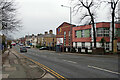
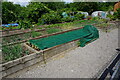
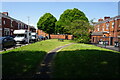
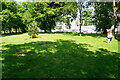
Photos of Preston (Preston)
Area Information
Living in Preston involves settling into a compact and established local authority district in England. This borough covers just 20 square kilometres while housing a population of 31,452 residents. You will find homes in this densely populated setting experience close proximity to neighbours. The area functions as a self-contained community where daily life revolves around local amenities within a tight footprint. With a population density of 1,572 people per square kilometre, the environment feels immediate and accessible. Property owners value the sense of established community that defines this borough. The scale of Preston suggests a focused neighbourhood where distance to local shops and services remains minimal. A prospective buyer should expect a lived-in area where the rhythm of daily life is shaped by this concentrated development pattern. The district operates as a unitary authority, meaning local governance is streamlined for area-wide planning. This structure often translates into consistent service delivery across the 20 square kilometres. You are entering a space where the urban footprint is clearly defined and the population is spread efficiently. The size of the borough prevents the sprawl typical of larger conurbations, keeping most activities within easy reach.
- Area Type
- District/Borough
- Area Size
- 20.0 km²
- Population
- 31452
- Population Density
- 1572 people/km²
Demographics
The community in Preston reflects a mature demographic profile with significant implications for local life. Residents here have a median age of 70 years old, indicating a population that skews towards retirement. You will find that the majority of the 31,452 inhabitants fall into older age brackets defined by the census categories. This composition shapes the demand for specific services and creates a quiet residential atmosphere. Home ownership stands at 54 per cent of households across the borough. This figure proves that nearly half of all residents live in properties they own outright or have a significant equity stake. The remaining residents rent their homes within various accommodation types available locally. Census data highlights that household composition covers a total range of family structures typical for an area with this age profile. While specific breakdowns by ethnicity, religion, and income deprivation are not detailed in the available records, the age dominance suggests a settled community. The high proportion of older owners implies stability and long-term residency patterns. Buyers looking at homes in Preston must consider that the neighbourhood caters primarily to older demographics seeking settled living arrangements.