Area Overview for Platt Bridge and Abram
Photos of Platt Bridge and Abram
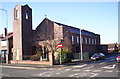
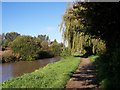
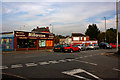
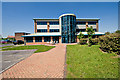
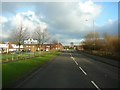
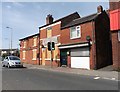
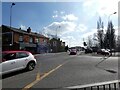
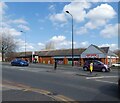
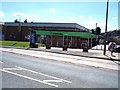
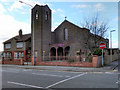
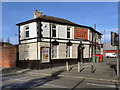
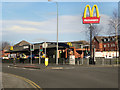
Area Information
Platt Bridge and Abram is a compact built-up area in England, covering just 2.0 km². Its population is predominantly older, with a median age of 70, reflecting a community shaped by long-term residency and generational continuity. The area is served by five primary schools, including St Mary’s CofE Primary School, which holds a 'good' Ofsted rating, and Holy Family Catholic Primary School Platt Bridge, offering families a range of educational options. Daily life here is anchored by local retail hubs like Co-op Platt and Morrisons Daily, alongside accessible rail links to Ince and Hindley stations. Digital connectivity is strong, with a broadband score of 97 and mobile coverage rated 85, supporting both home and remote work. However, safety remains a concern, with a critical crime risk rating. Despite this, the area’s small size and established amenities create a tight-knit environment where residents are likely to know their neighbours. For buyers, Platt Bridge and Abram presents a mix of practicality and challenge, with a focus on older housing stock and a community that prioritises local connections over rapid change.
- Area Type
- Built Up Area 250
- Area Size
- 2.0 km²
- Population
- Not available
- Population Density
- Not available
The lifestyle in Platt Bridge and Abram is defined by its proximity to essential amenities. Local retail options include Co-op Platt, Iceland Platt, and Morrisons Daily, offering convenience for daily shopping. The area’s rail stations—Ince, Hindley, and Bryn—provide access to broader regional networks, supporting both local and longer-distance travel. While the data does not mention parks or leisure facilities, the presence of multiple schools and retail hubs suggests a focus on practicality over expansive recreational spaces. The community’s character is likely shaped by its older population and established infrastructure, with a mix of local shops and transport links creating a functional environment. For residents, the combination of nearby amenities and accessible rail services offers a balance of convenience and connectivity, though the absence of detailed information on leisure options means the full scope of lifestyle opportunities remains partially unknown.
Amenities
Schools
Platt Bridge and Abram is served by five primary schools, including Low Hall Community Primary School, St Mary’s CofE Primary School (rated 'good' by Ofsted), Abram CofE Primary School, St Nathaniel’s CofE Primary School, and Holy Family Catholic Primary School Platt Bridge. These schools offer a range of educational options, with both Catholic and non-denominational institutions catering to diverse family needs. The presence of multiple primary schools within proximity ensures families have choices, though the data does not specify secondary education options. The 'good' rating at St Mary’s suggests a high standard of teaching in at least one institution, but the overall quality of other schools remains unquantified. For parents, the availability of multiple schools is a practical advantage, though the lack of detailed performance metrics for all institutions means further research may be needed to assess the full range of educational provision.
| Rank | School | Type | Entry gender | Ages |
|---|
Explore more schools in this area
Go to Schools tabDemographics
The population of Platt Bridge and Abram has a median age of 70, indicating a community where older residents form a significant proportion. The most common age range is listed as 'Age: Total,' suggesting data aggregation rather than specific age group breakdowns. Home ownership stands at 60%, meaning nearly two-thirds of residents own their properties, while the remaining 40% are likely to be renters or in other tenancy arrangements. Accommodation types and household composition are not specified in the data, but the high median age implies a prevalence of owner-occupied homes, possibly including family homes or long-term residences. Ethnicity and religious diversity figures are not provided, so no conclusions can be drawn about cultural composition. The area’s demographic profile suggests a stable, older population with established roots, though the lack of detailed data on household types or diversity means the full picture of community dynamics remains incomplete.
Household Size
Accommodation Type
Tenure
Ethnic Group
Religion
Household Composition
Age
Household Deprivation
NS-SEC
Explore more demographic insights in this area
Go to Demographics tabPlanning
Planning Constraints
- Crime RiskPremium