Area Overview for Piccadilly Ward
Photos of Piccadilly Ward

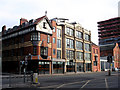
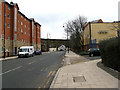
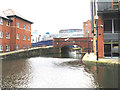

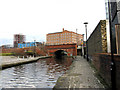
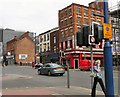
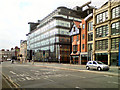
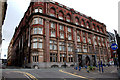
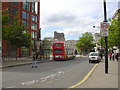
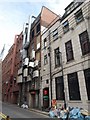

Area Information
Living in Piccadilly Ward offers an urban experience defined by its compact footprint and significant demographic weight. This district borough unitary ward occupies just 1.9 square kilometres, creating a densely populated environment where daily life moves quickly. You will find yourself surrounded by a community where the rhythm of living is shaped by older residents rather than young families or students. The area's size means that amenities and transport links are either immediately accessible or within a short journey, but the character of the neighbourhood is distinctively established. Prospective homebuyers should appreciate the convenience of such a small yet populated zone, yet prepare for the intensity of an urban ward with a unique history. Daily life here is conducted by a population accustomed to city living, where space is at a premium and the visual landscape reflects long-term development patterns. If you are considering buying or renting in Piccadilly Ward, understand that you are entering a microcosm of London life defined by specific spatial constraints and a mature resident base. This proximity to the city centre brings the benefits of urban convenience without the sprawling distances found in outer boroughs.
- Area Type
- District Borough Unitary Ward
- Area Size
- 1.9 km²
- Population
- Not available
- Population Density
- Not available
Demographics
The community in Piccadilly Ward has an exceptionally mature demographic profile that sets it apart from most London neighbourhoods. Your neighbours predominantly belong to the 70 age range, making this ward unique among urban districts. This high median age of 70 indicates a population that is retired or nearing retirement, rather than a young family environment. With two-fifths of all households, or 20%, being owner-occupied, the area leans heavily towards the rental sector where most occupants are likely tenants rather than landlords. Household composition data confirms a stable but ageing social fabric without significant recent influxes of younger professionals or students. You will not encounter a diverse mix of young start-ups or large families moving here in significant numbers. Instead, the social dynamic revolves around older adults who have remained in the area for extended periods. This demographic reality shapes local shops, community groups, and the overall pace of street life. When you consider the demographics of Piccadilly Ward, note that you are buying into an area dominated by long-term residents of advanced age living in a predominantly rented housing stock.
Household Size
Accommodation Type
Tenure
Ethnic Group
Religion
Household Composition
Age
Household Deprivation
NS-SEC
Explore more demographic insights in this area
Go to Demographics tabPlanning
Planning Constraints
- Flood RiskPremium
- Ramsar Wetland SitesPremium
- Area of Outstanding Natural BeautyPremium
- Protected Nature ReservePremium
- Protected WoodlandPremium
- Crime RiskPremium