Area Overview for Oldham
Photos of Oldham

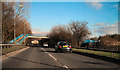
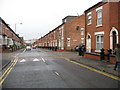
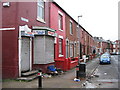

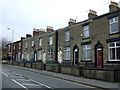
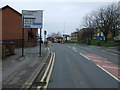
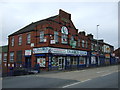
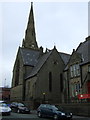
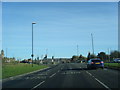
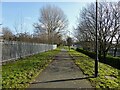

Area Information
Oldham is a compact built-up area in England, spanning 16.3 km² with a population of 25,658 people. Its density of 1,570 residents per square kilometre reflects a tightly woven urban fabric, blending residential and commercial spaces. The area is defined by its mature demographic, with a median age of 70, suggesting a community rooted in long-term residency. Daily life here is shaped by proximity to essential services, with five retail outlets, five metro stations, and five rail stops within practical reach. The town’s character is anchored in its historic infrastructure and local amenities, offering a mix of convenience and quiet living. While the population is relatively small, the area’s connectivity to surrounding regions via rail and road networks ensures accessibility to broader opportunities. For those seeking a balanced lifestyle, Oldham combines the practicality of urban living with the potential for community engagement, though its older demographic profile may influence the social dynamics of the area.
- Area Type
- District/Borough
- Area Size
- 16.3 km²
- Population
- 25658
- Population Density
- 1570 people/km²
Demographics
Oldham’s population has a median age of 70, the highest in the dataset, indicating a community predominantly composed of older residents. This age profile suggests a settled population with long-term ties to the area. Home ownership stands at 51%, meaning nearly half of residents live in properties they own, while the remaining 49% are likely to be renters. The accommodation types and household composition data are not specified, but the high median age may correlate with a higher proportion of single-person households or couples living together. The area’s demographic makeup is not detailed in terms of ethnic or religious diversity, but the lack of specific data means these aspects cannot be addressed. The high population density, combined with the mature age profile, may influence the local economy and service provision, with a focus on healthcare and community support infrastructure.
Household Size
Accommodation Type
Tenure
Ethnic Group
Religion
Household Composition
Age
Household Deprivation
NS-SEC
Explore more demographic insights in this area
Go to Demographics tabPlanning
Planning Constraints
- Crime RiskLocked