Area Overview for Norley
Photos of Norley
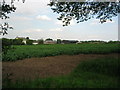
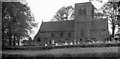
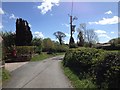

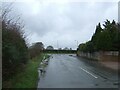
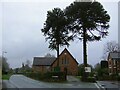
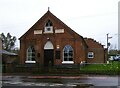

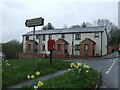
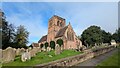

Area Information
Living in Norley means residing within a distinct built-up area covering 59.9 hectares in Cheshire. This compact settlement offers a defined sense of place rather than the sprawl found in larger towns. You will find Norley to be a quiet residential community where daily life revolves around local knowledge and established routines. The area's size creates a manageable environment where neighbours often share surroundings and local news spreads quickly. For anyone considering homes in Norley, the priority is access to essential services while enjoying a settled pace. The locality functions as a self-contained unit with its own identity set apart from the broader county infrastructure. Prospective residents should approach Norley as a place for stability and quiet accommodation. The physical boundaries of this 60-hectare zone shape a community that values its established character. You are buying into a neighbourhood where the focus remains on residential living rather than commercial activity. This distinction matters if you seek a home in an area where the noise and traffic of heavy industry are absent. Norley represents a straightforward choice for those who prioritise a clear, defined living space over rapid urban growth. The area's size ensures that you know exactly what surrounds your potential new property without facing the complexity of larger municipal boundaries.
- Area Type
- Built Up Area 250
- Area Size
- 59.9 hectares
- Population
- Not available
- Population Density
- Not available
Daily life for residents of Norley revolves around a specific set of amenities located within practical reach. You have access to five railway stations, including Delamere Railway Station, Cuddington Railway Station, and Acton Bridge Railway Station. These transport links allow you to travel to Chester, Northwich, and other market towns for shopping or broader leisure activities. For your daily necessities, five retail outlets provide essential goods and services. You can visit Co-op Hollow, Spar, or Co-op Weaverham to pick up groceries and household items without needing to travel far. This concentration of rail and retail options gives Norley a streamlined lifestyle without overwhelming density. You do not need a massive town centre to live comfortably if your main shops and transport hub are just a drive or short train ride away. The character of the area is defined by this efficient access rather than centuries of historic town planning. When you choose to live in Norley, you are opting for a lifestyle where convenience is measured by distance to these key nodes. The ability to reach Delamere or Cuddington stations quickly means you can maintain work commutes easily. Similarly, the presence of Co-op stores ensures that routine errands remain simple and stress-free. Your weekend trips likely involve using these railway links to explore further afield, knowing that local provisions are always available nearby.
Amenities
Schools
Families considering schools near Norley will find two primary institutions located within the area itself. Norley CofE VA Primary School serves as one of the main educational providers for children growing up in the locality. The second option is Norley Church of England Primary School, which caters to the Catholic community. Both schools operate as primary institutions, meaning they cover education from reception through to the end of primary age. You will not find comprehensive schools or secondary colleges listed in the immediate vicinity of this specific built-up area. The presence of two faith-based primary schools indicates a community with strong religious ties and specific denominational choices. If you are planning for a child's education within Norley, you must look beyond these local primary providers. The absence of secondary data suggests that older students typically transfer to other towns once they reach teenage years. This reliance on external secondary education affects families' daily planning and may involve longer commute times to other district towns. The choice between Norley CofE VA Primary School and Norley Church of England Primary School depends largely on your religious preference and the specific curriculum each offers. Parents in the area know that their children will spend their early and middle schooling years between these two specific institutions before moving on to out-of-area secondary schools.
| Rank | A + A* % | School | Type | Entry gender | Ages |
|---|---|---|---|---|---|
| 1 | N/A | Norley CofE VA Primary School | primary | N/A | N/A |
| 2 | N/A | Norley Church of England Primary School | primary | N/A | N/A |
Explore more schools in this area
Go to Schools tabDemographics
The community in Norley presents a clear demographic profile with a median age of 70 years. You will find that residents living in Norley are generally older, creating a neighbourhood geared towards retirement and established lifestyles. The most common age classification falls within the broad 'Total' category, indicating a population that has settled into this area for long-term living. This age distribution suggests a lower influx of young families compared to suburban commuter belts. A staggering 88% of households own their homes outright. This high ownership rate confirms Norley as a place where residents have invested deeply in their local environment over decades. When you consider buying a home here, you join a resident base that has taken ownership personally rather than renting for short terms. The household composition and accommodation type data reflect this stability, with the majority of people having purchased property to stay. You are not entering a transactional rental market but stepping into a permanent community where long-term occupancy is the norm. The predominant ethnic group and religious affiliations follow the general totals for the area, showing no sudden diversifications that might alter the traditional community fabric. Every statistic from the 70-year median age to the 88% ownership figure tells a story of permanence. You are moving into a village where the population has matured together over many years.
Household Size
Accommodation Type
Tenure
Ethnic Group
Religion
Household Composition
Age
Household Deprivation
NS-SEC
Explore more demographic insights in this area
Go to Demographics tabPlanning
Planning Constraints
- Crime RiskLocked