Area Overview for Nicholforest
Photos of Nicholforest
Area Information
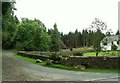
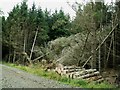
Living in Nicholforest means embracing a rural parish life in the Cumberland district of Cumbria, situated immediately south of the Scotland–England border. This civil parish covers approximately 34.4 km² and stretches 16 km east to west and 3 km north to south. The landscape is defined by extensive woodland and the Liddel Water river, which forms the natural boundary with Scotland. You will find small hamlets such as Catlowdy, Penton, Kershopefoot, and Warwicksland scattered across this sparsely populated territory. The area maintains a distinctly quiet atmosphere rooted in its agricultural history, having functioned as a livestock farming hub since 1881. Recent industrial developments included a Forestry Commission office that operated from 1955 until 1985, while large-scale coniferous afforestation reshaped the mid-20th century environment. Nicholas' Church, designed by Alexander Graham and completed between 1866 and 1867, stands as a significant landmark featuring a wooden bell turret and stained glass by John Scott & Son. For those seeking homes in Nicholforest, you are entering a region with deep historical ties, including a past marked by Border Reivers and the poet Armstrong's birthplace. The neighbourhood offers substantial green space without the planning constraints of AONB status or Ramsar wetland sites, though you must account for areas of protected woodland.
- Area Type
- Parish
- Area Size
- 34.4 km²
- Population
- Not available
- Population Density
- Not available
Demographics
The community character of Nicholforest reflects an older demographic profile typical of remote rural parishes. The median age for residents is 70 years old, placing the area well above national averages for England. Most of the population falls into the 'Age: Total' category, though specifically, the senior demographic dominates the local scene. Home ownership is exceptionally prevalent, with 82 per cent of households owning their properties outright. This high level of tenure stability suggests that buying a home rather than renting is the standard approach for most families in the area. Household composition data indicates a total breakdown where traditional family structures and single-person households likely occupy the majority of the 82 per cent ownership rate. The ethnicity and religious data are included in the official totals, reflecting the secular and historically Protestant roots of the Scottish Borders region. You should expect a community where long-term residents are the norm rather than transient workers. The absence of younger working-age demographics influences local service provision and contributes to the quiet, low-traffic environment. If you are considering moving to Nicholforest, be aware that the social fabric is woven from generations of families who have established roots in the land. The high ownership rate further distinguishes this parish from urban centres where rental markets often dictate the pace of community change.
Household Size
Accommodation Type
Tenure
Ethnic Group
Religion
Household Composition
Age
Household Deprivation
NS-SEC
Explore more demographic insights in this area
Go to Demographics tabPlanning
Planning Constraints
- Flood RiskPremium
- Ramsar Wetland SitesPremium
- Area of Outstanding Natural BeautyPremium
- Protected Nature ReservePremium
- Protected WoodlandPremium
- Crime RiskPremium