Area Overview for Manley
Photos of Manley
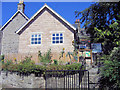
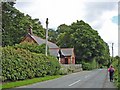
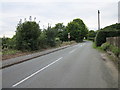
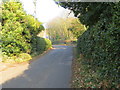
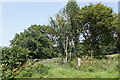
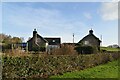
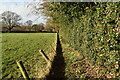
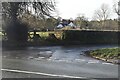
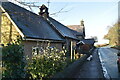
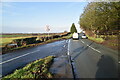
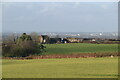
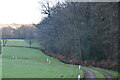
Area Information
Living in Manley means residing within a compact civil parish that covers ten point five square kilometres. The character of this community is defined by its established history and local governance as a distinct parish in England. You will find a residential environment where daily life occurs within a clearly defined boundary that separates it from neighbouring towns. This specific size allows for a sense of locality without being confined to a tiny village footprint. Residents experience a neighbourhood size that supports local amenities while maintaining a manageable distance from broader regional centres. The area functions as a self-contained unit for many who choose homes in Manley for its settled nature. Unlike sprawling urban developments, the layout here respects civil parish boundaries that protect the area's traditional structure. You move through an environment where the physical limitations of the ten point five kilometre limit encourage you to walk or use local transport. The definition of this place relies on its status as a formal administrative unit rather than a rapidly expanding zone. Those considering living in Manley are stepping into a defined geographical space where the community has evolved around these specific borders.
- Area Type
- Parish
- Area Size
- 10.5 km²
- Population
- Not available
- Population Density
- Not available
Demographics
The community in Manley displays a clear demographic focus on older generations. You will encounter a population with a median age of seventy years, indicating a significant presence of retirees and mature residents. This age profile shapes the social fabric of the parish, where daily interactions often centre around the needs and preferences of this older demographic. The most common age range reflects this concentration, suggesting that schools near Manley cater primarily to young families visiting from outside or have limited enrolment locally. Home ownership stands at ninety per cent, creating a landscape where long-term residents dominate the housing stock. This high level of ownership means you are unlikely to encounter large blocks of social housing or transient rental markets when viewing properties. The household composition reinforces this stability, with families and couples typically occupying single-family homes rather than shared flats. There is no data on the predominant ethnic group or religious breakdown, but the high ownership rate implies a settled, established community. This demographic reality means that buying a home here requires you to integrate into a neighbourhood where residents have likely lived for decades.
Household Size
Accommodation Type
Tenure
Ethnic Group
Religion
Household Composition
Age
Household Deprivation
NS-SEC
Explore more demographic insights in this area
Go to Demographics tabPlanning
Planning Constraints
- Flood RiskPremium
- Ramsar Wetland SitesPremium
- Area of Outstanding Natural BeautyPremium
- Protected Nature ReservePremium
- Protected WoodlandPremium
- Crime RiskPremium