Area Overview for M9 3FP
Photos of M9 3FP
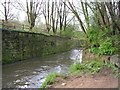

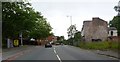
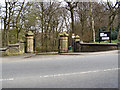
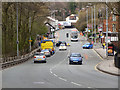
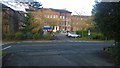
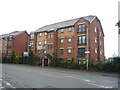
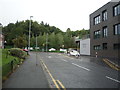
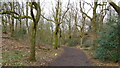
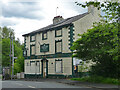
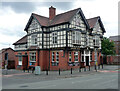
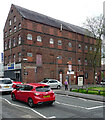
Area Information
Living in M9 3FP means being part of a small, tightly knit residential cluster in England. The area’s population of 2343 residents reflects its compact nature, with homes predominantly in the form of houses. This postcode is characterised by a mature demographic, with a median age of 47 and a strong presence of adults aged 30–64. The community is notably diverse, with the Asian population forming the largest ethnic group. Daily life here is shaped by proximity to transport networks, including five metro stops, three rail stations, and a bus coach station, which provide easy access to nearby towns and cities. While the area lacks natural beauty designations or protected landscapes, its practicality and connectivity make it a functional choice for those prioritising convenience. The low flood risk and absence of environmental constraints add to its appeal, though residents should be mindful of the area’s higher-than-average crime rates. M9 3FP is not a place for the faint-hearted, but it offers a straightforward, no-frills living experience for those seeking stability in a small, accessible community.
- Area Type
- Postcode
- Area Size
- Not available
- Population
- 2343
- Population Density
- Not available
The property market in M9 3FP is defined by its low home ownership rate of 38%, suggesting that a significant portion of the housing stock is rented out. The area’s accommodation is predominantly houses, which is unusual for many urban postcode areas. This mix of rental properties and owner-occupied homes creates a dynamic market where buyers may find limited opportunities for purchase, with more emphasis on long-term rentals. The small size of the area means that the immediate surroundings are likely to be the primary source of housing options, limiting the scope for expansion. For buyers, this could mean a focus on properties within the postcode itself, with little room for growth. The presence of houses rather than flats or apartments may appeal to those seeking more space or privacy, but it also means the market is less diverse. Prospective buyers should consider the local rental market’s strength and the potential for competition when seeking property in this small, defined area.
House Prices in M9 3FP
No properties found in this postcode.
Energy Efficiency in M9 3FP
Daily life in M9 3FP is supported by a range of nearby amenities, including three Spar stores, which provide essential shopping needs. The area’s transport links are extensive, with metro stops like Crumpsall and Bowker Vale, rail stations such as Moston and Salford Central, and a bus coach station at Chorlton Street, ensuring easy access to work, leisure, and social opportunities. While the area lacks large-scale leisure facilities, its proximity to multiple transport hubs means residents can quickly reach larger cities for entertainment or dining. The presence of multiple retail options and frequent public transport services contributes to a convenient, if modest, lifestyle. The small size of the area means that amenities are concentrated, which can be both a benefit and a limitation. For those who value accessibility over expansive local offerings, M9 3FP provides a functional base with the flexibility to explore beyond its immediate boundaries.
Amenities
Schools
| Rank | School | Type | Entry gender | Ages |
|---|
Explore more schools in this area
Go to Schools tabDemographics
The population of M9 3FP is 2343, with a median age of 47, indicating a mature, established community. The most common age group is adults aged 30–64, suggesting a stable population with fewer young families. Home ownership here is relatively low at 38%, which points to a rental market that may dominate the local economy. The area is composed primarily of houses, a rarity in many urban settings, which could reflect its suburban or semi-rural character. The predominant ethnic group is Asian, a fact that shapes the cultural and social dynamics of the area. This demographic profile implies a community that is likely to prioritise long-term stability over transient living, with residents potentially having established careers and family ties. The low home ownership rate may also indicate a reliance on rental properties, which could influence local services and amenities. Understanding these figures helps contextualise the area’s needs, from housing policies to community engagement initiatives.
Household Size
Accommodation Type
Tenure
Ethnic Group
Religion
Household Composition
Age
Household Deprivation
NS-SEC
Explore more demographic insights in this area
Go to Demographics tabPlanning
Planning Constraints
- Flood RiskPremium
- Ramsar Wetland SitesPremium
- Area of Outstanding Natural BeautyPremium
- Protected Nature ReservePremium
- Protected WoodlandPremium