Area Overview for M7 9UP
Photos of M7 9UP
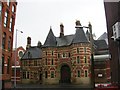
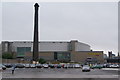
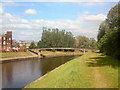
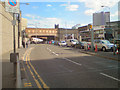
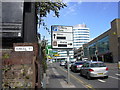
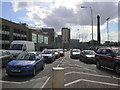
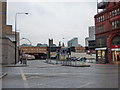
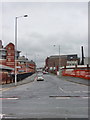
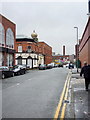


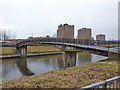
Area Information
Living in M7 9UP means being part of a small, tightly knit residential cluster in England. With a population of 1,541, this postcode area reflects a modest, community-focused environment. Daily life here is shaped by proximity to essential services and transport links, making it practical for commuters and families alike. The area’s compact size means residents can access nearby amenities without long journeys. While it lacks large-scale infrastructure, its strategic placement near rail and metro networks offers connectivity to Manchester’s broader urban fabric. The presence of schools, retail outlets, and public transport options suggests a functional, if unassuming, lifestyle. However, the area’s small footprint also means its character is defined by local landmarks and immediate surroundings. For those seeking a quieter alternative to city centres, M7 9UP provides a baseline of convenience, though its limited size may not appeal to those needing more space.
- Area Type
- Postcode
- Area Size
- Not available
- Population
- 1541
- Population Density
- 4139 people/km²
The property market in M7 9UP is characterised by a low rate of home ownership, with only 17% of residents owning their homes. This suggests that the area functions primarily as a rental market, with flats being the predominant type of accommodation. The small postcode area and its immediate surroundings likely offer limited scope for buyers seeking owner-occupied properties, particularly larger homes. Flats in this area may be more accessible for renters, but for those looking to purchase, the options are constrained by the low ownership rate and the compact size of the postcode. The market may be influenced by proximity to transport links, which could make it attractive for commuters, though the lack of diverse housing types may limit appeal to those prioritising space or specific property features. Buyers should consider the area’s limited size and the dominance of rental stock when evaluating long-term value.
House Prices in M7 9UP
No properties found in this postcode.
Energy Efficiency in M7 9UP
The lifestyle in M7 9UP is shaped by its proximity to essential amenities. Retail options include Lidl Mocha, Spar, and Asda Salford, offering everyday shopping convenience. The area’s transport links are extensive, with rail, metro, and bus services providing access to city centres and surrounding regions. Nearby, City Airport Manchester adds to the area’s connectivity. While there is no mention of parks or leisure facilities in the data, the presence of multiple retail outlets and transport hubs suggests a practical, functional lifestyle. Residents can enjoy a mix of local shopping and efficient commuting, though the area’s small size may limit opportunities for larger-scale leisure activities. The combination of retail and transport options makes daily life in M7 9UP efficient, though it lacks the sprawling amenities of larger urban areas.
Amenities
Schools
Residents of M7 9UP have access to two notable educational institutions nearby. Grosvenor Community Nursery Centre provides early years education, catering to young children in the area. Greengate School, a special school, serves students with specific educational needs. The presence of a nursery and a special school suggests that the area’s educational offerings are tailored to younger children and those requiring specialist support. However, families seeking mainstream primary or secondary schools may need to look further afield, as no other schools are listed in the data. This mix of school types indicates that the area is more suited to those with children requiring early education or specialist provisions, rather than a comprehensive range of academic options.
| Rank | School | Type | Entry gender | Ages |
|---|
Explore more schools in this area
Go to Schools tabDemographics
The population of M7 9UP skews towards adults aged 30–64, with a median age of 47. This suggests a mature demographic, likely comprising working professionals and families. Home ownership is low at 17%, indicating that most residents are renters, which may reflect the area’s focus on flats rather than owner-occupied homes. The predominant ethnic group is White, and the accommodation type is predominantly flats, which aligns with the compact nature of the postcode. The data does not specify deprivation levels, but the high proportion of renters and the lack of diverse housing stock could imply limited economic diversity. For buyers, this means the market is likely to be competitive for owner-occupied properties, with fewer options for those seeking larger or detached homes. The age profile also suggests a community with established residents, potentially offering a stable but less dynamic social environment.
Household Size
Accommodation Type
Tenure
Ethnic Group
Religion
Household Composition
Age
Household Deprivation
NS-SEC
Explore more demographic insights in this area
Go to Demographics tabPlanning
Planning Constraints
- Flood RiskPremium
- Ramsar Wetland SitesPremium
- Area of Outstanding Natural BeautyPremium
- Protected Nature ReservePremium
- Protected WoodlandPremium