Area Overview for M7 0UD
Photos of M7 0UD
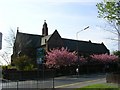
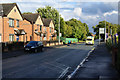
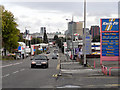
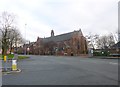
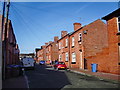
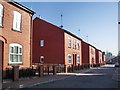
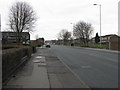
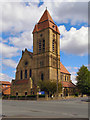
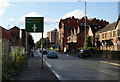
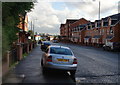
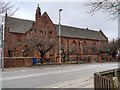
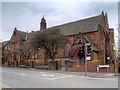
Area Information
Living in M7 0UD means being part of a small, tightly knit residential cluster in England, home to 2,481 people. This area is defined by its compact nature, with a population that skews towards middle-aged adults, reflecting a community rooted in stability and routine. Daily life here is shaped by proximity to essential services, including multiple rail stations, retail hubs, and a mix of independent and special schools. The area lacks natural constraints like protected woodlands or wetlands, offering a straightforward living environment. However, the high crime risk score—0 out of 100—casts a shadow over its practical advantages. Residents navigate a balance between accessible transport links, such as Salford Central Railway Station and nearby bus routes, and the need for vigilance in personal safety. Despite the challenges, M7 0UD’s compact design ensures that amenities are within walking or short-vehicle distance, making it a pragmatic choice for those prioritising convenience over sprawling landscapes.
- Area Type
- Postcode
- Area Size
- Not available
- Population
- 2481
- Population Density
- 8453 people/km²
The property market in M7 0UD is characterised by a low home ownership rate of 12%, suggesting that the majority of housing is rented rather than owned. The accommodation type is predominantly flats, which is typical for smaller, densely populated areas. This indicates a limited range of property types, with few opportunities for buyers seeking larger or detached homes. The small size of the area means that the housing stock is constrained, and buyers may find little variation in available properties. For those considering purchase, the market is likely to be competitive, with a focus on flats in the immediate vicinity. The low ownership rate also implies that landlords may have significant influence over the local property landscape, affecting both availability and pricing.
House Prices in M7 0UD
No properties found in this postcode.
Energy Efficiency in M7 0UD
The lifestyle in M7 0UD is shaped by its proximity to essential amenities. Retail options include Asda Higher, Asda Shirley, and Iceland Cheetham, providing access to groceries and everyday essentials. The area’s rail and metro stations, such as Salford Central and Queens Road, ensure easy movement to workplaces and leisure destinations. The nearby City Airport Manchester adds convenience for travel. While there is only one bus stop, the density of rail services compensates for this. The mix of retail, transport, and nearby schools creates a functional environment, though the limited number of amenities suggests that residents may need to travel slightly further for niche services. The area’s compact design fosters a practical, no-frills lifestyle, prioritising accessibility over sprawling leisure options.
Amenities
Schools
Near M7 0UD are several schools, including Talmud Torah Chinuch Norim School and Talmud Torah Yetev Lev, both independent institutions with Ofsted ratings of satisfactory. Park Lane High School is also independent but lacks an Ofsted rating. Aim Habonim is a special school with a good Ofsted rating, while Beis Malka Girls school is independent with a satisfactory rating. This mix of independent and special schools provides families with options, though the ratings suggest that while some institutions perform well, others may require closer scrutiny. The presence of a special school indicates support for specific educational needs, while the independent schools cater to those seeking non-state education. Families should consider visiting schools to assess quality beyond ratings, given the variation in performance.
| Rank | School | Type | Entry gender | Ages |
|---|
Explore more schools in this area
Go to Schools tabDemographics
The population of M7 0UD is predominantly adults aged 30–64, with a median age of 47. This suggests a mature community, likely with established careers and families. Home ownership is low at 12%, indicating that most residents rent their properties. The accommodation type is primarily flats, which aligns with the area’s compact nature and limited housing stock. The predominant ethnic group is White, though no data on diversity beyond this is provided. The low home ownership rate may reflect a rental market dominated by private landlords or social housing. For buyers, this means competition for limited properties, with a focus on flats rather than detached homes. The demographic profile hints at a community with fewer young families and more individuals or couples in their prime working years, shaping local dynamics and service needs.
Household Size
Accommodation Type
Tenure
Ethnic Group
Religion
Household Composition
Age
Household Deprivation
NS-SEC
Explore more demographic insights in this area
Go to Demographics tabPlanning
Planning Constraints
- Flood RiskPremium
- Ramsar Wetland SitesPremium
- Area of Outstanding Natural BeautyPremium
- Protected Nature ReservePremium
- Protected WoodlandPremium