Area Overview for M60 6ED
Photos of M60 6ED
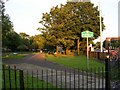

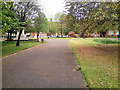
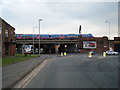



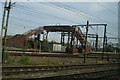
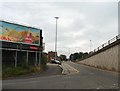
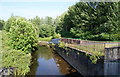

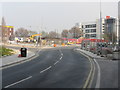
Area Information
Living in M60 6ED means being part of a small, tightly knit residential cluster in England, home to 2,173 people. This postcode area is characterised by its proximity to urban amenities and transport links, making it accessible yet distinct. The community here skews towards adults aged 30–64, with a median age of 22, suggesting a mix of younger residents and families. The area’s compact size means daily life is shaped by nearby schools, retail hubs, and public transport. While it lacks the sprawl of larger cities, its strategic location near railway stations and metro lines ensures connectivity to Manchester’s core. The presence of multiple primary schools and a high school provides families with educational options, though the mix of school types reflects a range of educational philosophies. For those prioritising convenience, the area’s digital connectivity scores—64 for broadband and 85 for mobile—support both work and leisure. However, the high crime risk score of 0 demands caution, requiring residents to consider security measures. Despite this, M60 6ED offers a blend of practicality and urban proximity for those seeking a manageable lifestyle.
- Area Type
- Postcode
- Area Size
- Not available
- Population
- 2173
- Population Density
- 3295 people/km²
The property market in M60 6ED is defined by low home ownership—only 24% of residents own their homes—indicating a strong rental market. The area’s accommodation is primarily houses, which may appeal to families seeking more space but could limit availability for buyers. Given the small population and compact size, the housing stock is likely limited, making competition for properties intense. This dynamic suggests that buyers should consider the area’s proximity to transport links and amenities, which may offset the lack of extensive housing options. The predominance of houses also implies that newer developments or conversions are rare, potentially limiting future supply. For those seeking a home, the area’s rental focus means properties may be more suited to long-term tenants than investors. The small size of M60 6ED means that immediate surroundings are crucial for assessing property value and desirability.
House Prices in M60 6ED
No properties found in this postcode.
Energy Efficiency in M60 6ED
The lifestyle in M60 6ED is shaped by its proximity to retail, transport, and leisure hubs. Residents can access major supermarkets like Tesco Ardwick and Sainsburys Manchester, alongside M&S Piccadilly SF, ensuring convenience for shopping. Metro stations such as New Islington and Holt Town connect to Manchester’s broader network, facilitating travel to cultural and employment centres. While parks and green spaces are not explicitly listed, the area’s transport links suggest access to nearby recreational areas. The presence of multiple schools and community facilities reinforces a family-friendly environment. The mix of retail and transport options contributes to a practical, urban lifestyle, though the area’s small size means amenities are concentrated within a short reach. This compactness can be both a benefit and a limitation, depending on individual preferences for space and variety.
Amenities
Schools
Residents of M60 6ED have access to a range of educational institutions, including Medlock Primary School, St Ignatius RC Junior and Infant and Nursery School, Ellen Wilkinson High School, and Co-op Academy Medlock. These schools span primary and academy settings, offering families choices between traditional state education and alternative models. The presence of multiple primary schools suggests a focus on early education, while the inclusion of an academy indicates a broader curriculum approach. However, the absence of Ofsted ratings means the quality of teaching and facilities cannot be assessed from the data. For families prioritising educational diversity, this mix of school types provides flexibility, though the suitability of each institution depends on individual needs. The proximity of these schools to residential areas reinforces their role in shaping the community’s character.
| Rank | School | Type | Entry gender | Ages |
|---|
Explore more schools in this area
Go to Schools tabDemographics
The community in M60 6ED is predominantly composed of adults aged 30–64, with a median age of 22, indicating a mix of younger individuals and established families. Only 24% of residents own their homes, suggesting a rental market dominates, which may influence the local property dynamics. The area’s accommodation is largely houses, contrasting with higher-density housing in nearby zones. The predominant ethnic group is Asian_total, though specific subgroups are not detailed. With a population of 2,173, the area is small enough to foster a sense of familiarity but large enough to support diverse needs. The low home ownership rate may reflect economic factors or a transient population, impacting local services and amenities. The absence of deprivation data means quality of life assessments remain unquantified, though the availability of schools and transport suggests efforts to meet residents’ needs.
Household Size
Accommodation Type
Tenure
Ethnic Group
Religion
Household Composition
Age
Household Deprivation
NS-SEC
Explore more demographic insights in this area
Go to Demographics tabPlanning
Planning Constraints
- Flood RiskPremium
- Ramsar Wetland SitesPremium
- Area of Outstanding Natural BeautyPremium
- Protected Nature ReservePremium
- Protected WoodlandPremium