Area Overview for M5 2UY
Photos of M5 2UY
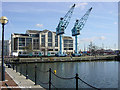








Area Information
M5 2UY is a small residential postcode in England, home to 1030 people spread across a compact cluster of properties. Its proximity to major urban hubs like Salford Quays and Manchester’s transport networks makes it a practical choice for those seeking accessibility without the density of city centres. The area’s character is defined by its young demographic, with a median age of 22 and most residents aged 15–29. This reflects a community skewed towards students, early-career professionals, and young families. Daily life here is shaped by the availability of nearby amenities, from retail outlets like Co-op Salford and Tesco Salford to transport links including Salford Central Railway Station and the nearby Manchester City Airport. The mix of flats and limited home ownership suggests a rental-dominated market, which influences the area’s transient nature. While the postcode lacks natural or protected landscapes, its strategic location near metro stations and cultural sites like Anchorage and Harbour City ensures a dynamic, urban lifestyle. For buyers, M5 2UY offers a snapshot of a youthful, connected community with straightforward access to city amenities.
- Area Type
- Postcode
- Area Size
- Not available
- Population
- 1030
- Population Density
- 3632 people/km²
The property market in M5 2UY is predominantly rental-based, with only 17% of residents owning their homes. The accommodation type is almost exclusively flats, reflecting a lack of larger family homes or detached properties. This suggests the area is not suited for long-term homeownership but rather for short-term tenancies, likely attracting students or young professionals seeking affordable, centrally located housing. The limited number of owner-occupied properties may also indicate a reliance on private landlords or housing associations. For buyers, the small size of the postcode and its focus on flats mean there are few opportunities for traditional home purchases. Those considering the area should expect a market driven by rental yields rather than capital growth, with properties tailored to transient occupants. The immediate surroundings may offer more varied options, but within M5 2UY itself, the housing stock is uniform and limited in scope.
House Prices in M5 2UY
No properties found in this postcode.
Energy Efficiency in M5 2UY
Living in M5 2UY grants access to a range of amenities within easy reach. Retail options include Co-op Salford, Sainsburys Salford, and Tesco Salford, providing everyday shopping convenience. The area’s proximity to Salford Quays and Anchorage offers leisure opportunities, from dining and entertainment to cultural attractions. Transport links are extensive, with five railway stations—including Salford Crescent and Salford Central—facilitating quick travel to Manchester’s business districts. The nearby Manchester City Airport is a short journey away, ideal for frequent flyers. While the bus network is limited to a single route via Chorlton Street Coach Station, the density of rail and metro options compensates. This mix of retail, transport, and urban connectivity creates a lifestyle that balances practicality with access to city amenities, making daily life in M5 2UY efficient and varied.
Amenities
Schools
| Rank | School | Type | Entry gender | Ages |
|---|
Explore more schools in this area
Go to Schools tabDemographics
The population of M5 2UY is overwhelmingly young, with a median age of 22 and 83% of residents falling into the 15–29 age bracket. This demographic profile suggests a community dominated by students, graduates, and young professionals, likely drawn by proximity to higher education or employment opportunities. Home ownership is low, at just 17%, with flats being the predominant form of accommodation. This indicates a rental market that caters to transient populations. The predominant ethnic group is White, though the data does not specify further diversity metrics. The age range and housing type imply a lack of long-term family households, which may affect local services and infrastructure needs. The absence of detailed deprivation data means it is unclear how economic pressures impact quality of life, but the high proportion of young adults suggests a focus on affordability and convenience over traditional family-oriented amenities.
Household Size
Accommodation Type
Tenure
Ethnic Group
Religion
Household Composition
Age
Household Deprivation
NS-SEC
Explore more demographic insights in this area
Go to Demographics tabPlanning
Planning Constraints
- Flood RiskPremium
- Ramsar Wetland SitesPremium
- Area of Outstanding Natural BeautyPremium
- Protected Nature ReservePremium
- Protected WoodlandPremium