Area Overview for M5 2QN
Photos of M5 2QN

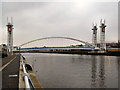
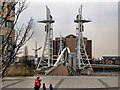
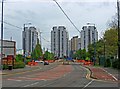

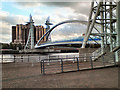

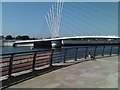
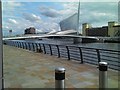
Area Information
Living in M5 2QN means being part of a small, tightly knit residential cluster in England, with a population of 2121 people. The area is compact, centred around a mix of modern and older housing stock, with flats forming the predominant accommodation type. Daily life here is shaped by proximity to key infrastructure: five metro stops, including Langworthy and Broadway, and three rail stations such as Salford Crescent and Salford Central. The area’s location near Salford and Manchester offers access to urban amenities without the density of city centres. Residents benefit from a network of retail outlets, including Sainsburys Salford and Co-op Salford, and the nearby City Airport Manchester. The community is young, with a median age of 22, but the most common age range is adults aged 30–64, suggesting a mix of long-term residents and families. This small postcode area is ideal for those seeking a balance between suburban comfort and urban connectivity, though its size means the character of the neighbourhood is defined by its immediate surroundings.
- Area Type
- Postcode
- Area Size
- Not available
- Population
- 2121
- Population Density
- 4141 people/km²
The property market in M5 2QN is characterised by a low home ownership rate of 20%, indicating that the majority of residents rent their homes. Flats dominate the housing stock, which is typical for smaller, urban postcode areas. This suggests a rental-focused market, likely influenced by the area’s proximity to transport links and employment opportunities in nearby Salford and Manchester. The limited size of the postcode means the housing stock is constrained, with few new developments likely to expand the market. For buyers, this small area offers limited scope for property investment, though its location near metro and rail stations may appeal to those prioritising connectivity over space. The absence of specific property price data means the financial viability of purchasing here must be assessed against broader regional trends.
House Prices in M5 2QN
No properties found in this postcode.
Energy Efficiency in M5 2QN
The lifestyle in M5 2QN is defined by its proximity to a range of amenities. Five metro stops, including Langworthy and Harbour City, provide easy access to local hubs, while retail options like Sainsburys Salford and Co-op Salford cater to daily needs. The three rail stations—Salford Crescent, Manchester United FC, and Salford Central—connect residents to broader Manchester and Salford networks. The nearby City Airport Manchester adds to the area’s accessibility for travel. Parks and open spaces are not explicitly listed, but the absence of protected natural areas suggests a focus on urban living. The combination of retail, transport, and proximity to major infrastructure creates a convenient, though compact, lifestyle. Residents can enjoy a mix of suburban tranquillity and urban vibrancy within a short walk or transit ride.
Amenities
Schools
Residents of M5 2QN have access to two secondary schools: UTC@MediacityUK and AldridgeUTC@MediaCityUK. Both institutions cater to older students, with AldridgeUTC@MediaCityUK holding a ‘good’ Ofsted rating. The presence of two secondary schools provides families with options, though no primary schools are listed in the data. The focus on secondary education suggests the area may be part of a larger educational corridor, with students potentially commuting to nearby districts for earlier schooling. Families with children should consider the limited local primary school options and the need for transport to broader educational networks. The quality of secondary education here, particularly at AldridgeUTC@MediaCityUK, may be a key factor for parents prioritising academic provision.
| Rank | School | Type | Entry gender | Ages |
|---|
Explore more schools in this area
Go to Schools tabDemographics
The community in M5 2QN is predominantly composed of adults aged 30–64, with a median age of 22, indicating a mix of younger and middle-aged residents. Only 20% of households are owner-occupied, reflecting a rental market dynamic where flats are the primary accommodation type. The predominant ethnic group is White, though specific diversity metrics are not provided. The low home ownership rate suggests a transient or younger demographic, potentially influenced by the area’s proximity to employment hubs. The absence of detailed deprivation data means the quality of life cannot be fully contextualised, but the median age and housing type suggest a community focused on affordability and accessibility. With 2121 residents, the area is small enough to foster local familiarity but limited in scale for broader social or cultural amenities.
Household Size
Accommodation Type
Tenure
Ethnic Group
Religion
Household Composition
Age
Household Deprivation
NS-SEC
Explore more demographic insights in this area
Go to Demographics tabPlanning
Planning Constraints
- Flood RiskPremium
- Ramsar Wetland SitesPremium
- Area of Outstanding Natural BeautyPremium
- Protected Nature ReservePremium
- Protected WoodlandPremium