Area Overview for M2 3AH
Photos of M2 3AH

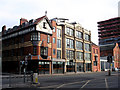
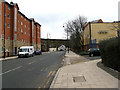
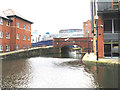

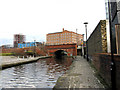
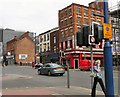
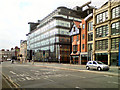
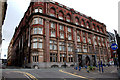
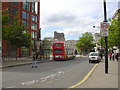

Area Information
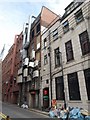
Living in M2 3AH means being part of a compact residential cluster in England, home to 1,394 residents. This postcode area is defined by its proximity to urban amenities and transport links, making it accessible yet distinct. The community is young, with a median age of 22 and the majority of residents aged 15–29. Daily life here is shaped by nearby schools, retail hubs, and efficient public transport. The area’s small size means a tight-knit feel, though it sits within a larger city framework. Residents benefit from proximity to Manchester’s cultural and commercial centres, with easy access to rail, metro, and bus routes. While the housing stock is predominantly flats, the area’s appeal lies in its connectivity and the availability of independent schools. For those seeking a dynamic yet manageable urban lifestyle, M2 3AH offers a blend of convenience and practicality. However, the high crime risk reported in assessments suggests residents should prioritise security measures.
- Area Type
- Postcode
- Area Size
- Not available
- Population
- 1394
- Population Density
- 2281 people/km²
The property market in M2 3AH is characterised by a low home ownership rate of 24%, indicating that the majority of residents rent their homes. This suggests a rental market rather than an owner-occupied one, which may appeal to students or transient workers. The accommodation type is predominantly flats, reflecting the area’s small scale and likely density. For buyers, this means limited availability of owner-occupied properties, with a focus on smaller, purpose-built units. The compact nature of the area may also mean competition for rental properties, particularly near transport hubs and amenities. Prospective buyers should consider the area’s proximity to schools and transport as key advantages, though the rental-centric market may limit opportunities for long-term investment.
House Prices in M2 3AH
No properties found in this postcode.
Energy Efficiency in M2 3AH
Residents of M2 3AH enjoy access to a variety of amenities, from retail to transport. Nearby shops include Tesco Manchester, Sainsburys Mosley, and Aldi Manchester, offering daily essentials. The area’s proximity to metro stops like Market Street and Piccadilly Gardens, along with rail stations such as Manchester Oxford Road, ensures easy access to the city’s cultural and commercial hubs. The nearby City Airport Manchester adds to the area’s connectivity. While parks or leisure facilities are not explicitly listed, the presence of multiple transport options and retail outlets suggests a lifestyle focused on convenience and urban accessibility. The mix of retail, transport, and nearby schools creates a functional environment for young professionals and families.
Amenities
Schools
Residents of M2 3AH have access to a range of educational institutions, including Chetham’s School of Music and Abbey College Manchester, both independent schools. The Village School is also nearby, though its classification as ‘other’ suggests it may be a state-funded or specialist institution. The presence of independent schools indicates options for families seeking fee-paying education, while the mix of school types provides flexibility. However, no Ofsted ratings are provided, so prospective parents should conduct further research. The area’s proximity to these schools enhances its appeal for families, though the small size of M2 3AH may mean limited school choice beyond these options.
| Rank | School | Type | Entry gender | Ages |
|---|
Explore more schools in this area
Go to Schools tabDemographics
The population of M2 3AH is overwhelmingly young, with a median age of 22 and the majority of residents aged 15–29. This demographic profile indicates a community skewed towards students, recent graduates, or young professionals. Home ownership is low, with only 24% of residents owning their homes, suggesting a rental-dominated market. The accommodation type is predominantly flats, reflecting the area’s compact nature and likely influence of urban planning. The predominant ethnic group is White, though specific data on diversity beyond this is not provided. The age range and housing type imply a transient population, possibly linked to nearby educational institutions or employment opportunities. For quality of life, the low home ownership rate may affect long-term stability, while the young population could drive demand for amenities like retail and transport.
Household Size
Accommodation Type
Tenure
Ethnic Group
Religion
Household Composition
Age
Household Deprivation
NS-SEC
Explore more demographic insights in this area
Go to Demographics tabPlanning
Planning Constraints
- Flood RiskPremium
- Ramsar Wetland SitesPremium
- Area of Outstanding Natural BeautyPremium
- Protected Nature ReservePremium
- Protected WoodlandPremium