Area Overview for M10 6BP
Photos of M10 6BP
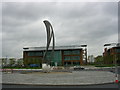
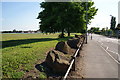
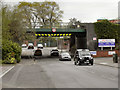
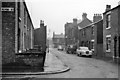
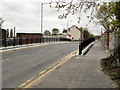


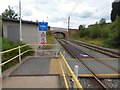

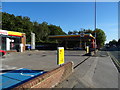
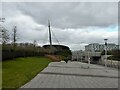
Area Information
Living in M10 6BP means inhabiting a compact residential cluster in England, where 2009 people reside across a densely populated area of 1.72 km². This postcode is defined by its small-scale nature, with homes predominantly in the form of houses rather than flats. The area’s proximity to amenities like retail outlets, rail networks, and metro stations creates a practical living environment. Daily life here is shaped by its position near urban infrastructure, offering access to services such as Lidl, Asda, and multiple railway stations. The community is largely composed of adults aged 30–64, with a median age of 47, suggesting a stable, established demographic. While the area lacks natural landscapes or protected sites, its connectivity and proximity to urban hubs make it a functional choice for those prioritising convenience over rural tranquillity. The low flood risk and absence of planning constraints such as AONBs or protected woodlands mean development is unencumbered, though the high crime risk is a notable concern for residents.
- Area Type
- Postcode
- Area Size
- Not available
- Population
- 2009
- Population Density
- 1162 people/km²
The property market in M10 6BP is characterised by a low home ownership rate of 25%, indicating that most properties are rented rather than owned. The accommodation type is predominantly houses, which is atypical for a densely populated area but may reflect older, single-family homes. This suggests a limited supply of housing stock, with fewer new developments or flats. For buyers, this small area offers a niche market, with properties likely to be older and requiring maintenance. The lack of planning constraints such as protected woodlands or AONBs may allow for redevelopment, but the high crime risk could deter investment. Prospective buyers should consider the area’s compact size and proximity to urban amenities, though the rental-focused market may limit long-term capital growth.
House Prices in M10 6BP
No properties found in this postcode.
Energy Efficiency in M10 6BP
Residents of M10 6BP have access to a range of amenities within practical reach, including five retail outlets such as Lidl Blackley and Asda Living, offering everyday shopping convenience. The area is served by five metro stations, including Etihad Campus and Central Park, and rail networks like Ashburys and Manchester Oxford Road stations, facilitating easy travel. While only one bus stop exists at Chorlton Street Coach Station, the density of rail and metro options ensures strong connectivity. The absence of parks or leisure facilities within the postcode itself means residents may need to venture further for outdoor activities, though the compact layout supports a walkable lifestyle. The mix of retail, transport, and urban infrastructure creates a practical, if utilitarian, living environment.
Amenities
Schools
The schools nearest to M10 6BP include Leacroft School and Education Youth Services, both designated as special schools. These institutions cater to students with specific educational needs, reflecting the area’s demographic focus on older adults and possibly families requiring tailored support. The absence of mainstream primary or secondary schools nearby means families may need to travel to adjacent areas for general education. This mix of school types suggests the community is well-served for specialised learning but may lack broader educational options. Parents considering the area should assess whether the availability of special schools aligns with their children’s needs, as the data does not indicate other school types within the immediate vicinity.
| Rank | School | Type | Entry gender | Ages |
|---|
Explore more schools in this area
Go to Schools tabDemographics
M10 6BP’s population of 2009 people is densely packed at 1162 residents per km², reflecting a compact, urbanised community. The median age of 47 indicates a mature population, with the majority (30–64 years) in their prime working and family-raising years. Home ownership is low at 25%, suggesting most residents rent, likely due to the area’s small size and limited housing stock. The accommodation type is predominantly houses, which is unusual for such a densely populated postcode but may reflect older, single-family homes. The predominant ethnic group is White, with no specific data on diversity or deprivation levels. This demographic profile implies a stable, middle-aged population with established routines, though the low home ownership rate may indicate economic pressures or a transient workforce.
Household Size
Accommodation Type
Tenure
Ethnic Group
Religion
Household Composition
Age
Household Deprivation
NS-SEC
Explore more demographic insights in this area
Go to Demographics tabPlanning
Planning Constraints
- Flood RiskPremium
- Ramsar Wetland SitesPremium
- Area of Outstanding Natural BeautyPremium
- Protected Nature ReservePremium
- Protected WoodlandPremium