Area Overview for M1 6FT
Photos of M1 6FT

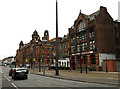

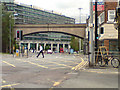
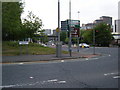

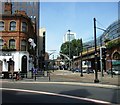
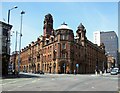

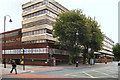
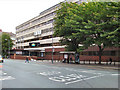

Area Information
Living in M1 6FT means inhabiting a densely populated postcode area in England, covering just 6,950 square metres and home to 2,014 residents. This small residential cluster is part of a broader urban fabric, with proximity to Manchester’s key amenities. The area’s compact size and high population density—289,803 people per square kilometre—reflect a tightly knit community. Daily life here is shaped by proximity to transport hubs, retail, and public services. The area’s appeal lies in its accessibility: major railway stations like Manchester Oxford Road and Salford Central are within practical reach, while nearby metro stops and bus routes offer flexibility. Despite its size, M1 6FT is not isolated; it sits near Manchester City Airport and within walking distance of large supermarkets such as Sainsburys Whitworth and Tesco Manchester. The demographic profile—predominantly young adults aged 15–29—suggests a dynamic, transient population, often drawn to the area for its connectivity and urban convenience. However, the low home ownership rate and prevalence of flats indicate a rental-dominated market, which may influence the character of the community.
- Area Type
- Postcode
- Area Size
- 6950 m²
- Population
- 2014
- Population Density
- 13890 people/km²
The property market in M1 6FT is overwhelmingly rental-focused, with only 17% of residents owning their homes. This contrasts sharply with areas where owner-occupation is more common, indicating a market driven by short-term tenancies rather than long-term investment. The accommodation type is almost exclusively flats, reflecting the area’s compact size and high population density. For buyers, this presents a challenge: the limited availability of owner-occupied properties suggests competition for the few available homes, often in smaller formats. The small area size and proximity to Manchester’s urban core may make M1 6FT attractive for investors seeking rental yields, but buyers seeking larger properties or long-term residency may find the options constrained. The dominance of flats also implies a focus on affordability, with properties likely priced to suit younger renters or commuters prioritising location over space.
House Prices in M1 6FT
No properties found in this postcode.
Energy Efficiency in M1 6FT
Residents of M1 6FT have access to a range of amenities within walking or short transit distance. Retail options include major supermarkets like Sainsburys Whitworth and Tesco Manchester, ensuring daily essentials are readily available. The area’s transport links also grant proximity to Manchester’s cultural and commercial hubs, from the bustling shopping districts of Deansgate to the green spaces of Piccadilly Gardens. The nearby railway stations connect to Manchester’s broader network, facilitating access to universities, workplaces, and leisure opportunities. The presence of Manchester City Airport adds to the area’s appeal for frequent travellers. While the data does not specify dining or recreational venues, the density of retail and transport infrastructure suggests a lifestyle focused on convenience and connectivity. For those prioritising urban living with minimal commute times, M1 6FT offers a compact, amenity-rich environment.
Amenities
Schools
| Rank | School | Type | Entry gender | Ages |
|---|
Explore more schools in this area
Go to Schools tabDemographics
The population of M1 6FT is overwhelmingly young, with a median age of 22 and 72% of residents falling within the 15–29 age range. This demographic skews toward students, young professionals, and transient workers, reflecting the area’s proximity to educational institutions and employment hubs. Home ownership is exceptionally low at 17%, meaning most residents rent their accommodation. The predominant housing type is flats, which aligns with the area’s high density and limited space for larger properties. The predominant ethnic group is White, though no specific data on diversity or deprivation levels is provided. The age profile and rental focus suggest a community prioritising affordability and convenience over long-term residency. For quality of life, the high proportion of young adults may mean a vibrant but transient social environment, though the lack of data on deprivation or diversity prevents a fuller assessment of socioeconomic challenges.
Household Size
Accommodation Type
Tenure
Ethnic Group
Religion
Household Composition
Age
Household Deprivation
NS-SEC
Explore more demographic insights in this area
Go to Demographics tabPlanning
Planning Constraints
- Flood RiskPremium
- Ramsar Wetland SitesPremium
- Area of Outstanding Natural BeautyPremium
- Protected Nature ReservePremium
- Protected WoodlandPremium